
Is your BMW running a little too hot lately? If you’ve noticed the temperature gauge creeping up or the air conditioning just isn’t what it used to be, your cooling fan might be the culprit. This comprehensive guide to BMW cooling fan troubleshooting will walk you through the most common problems, how to diagnose them, and what you can do to get your car back in the best shape.
Why Your BMW Cooling Fan Matters
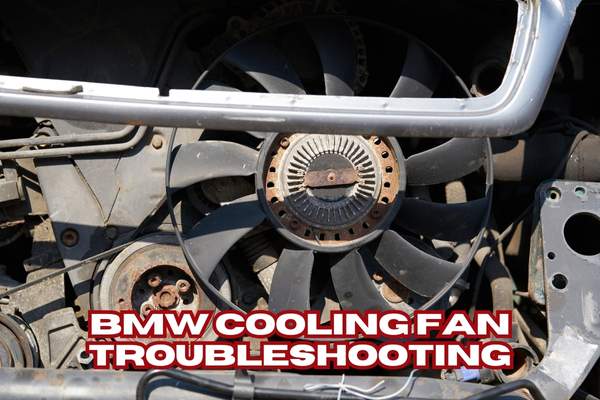
The cooling fan in your BMW isn’t just another part under the hood—it’s critical for keeping your engine at a safe temperature. It kicks in when the car is idling or driving at low speeds, pulling air through the radiator to cool down the engine. On most modern BMWs, this fan is electric and controlled by a module that gets signals from various sensors. When things go wrong, it’s not always obvious, but the effects can be serious.
Spot the Symptoms: What to Watch For
Let’s start by recognizing the signs that your BMW cooling fan might not be working properly:
- Overheating Engine: The most obvious clue. If the fan doesn’t kick on when the engine is hot, your car can overheat quickly.
- Weak A/C Performance: The fan also helps cool the A/C condenser. If it’s not working, you might notice your air conditioning just isn’t keeping up.
- Warning Lights: BMWs often flash the check engine or temperature warning lights when there’s a cooling issue.
- Loud or Unusual Noises: Clicking, grinding, or whirring could mean the fan motor is on its last legs.
BMW Cooling Fan Troubleshooting Steps
So, your fan’s not working right. Now what? Here’s a step-by-step approach you can use to narrow things down.
1. Check the Fuse First
Believe it or not, a blown fuse is often the simplest explanation. In many BMW models, like the 2009 328i, you’ll find the fan-related fuses behind the glove box. Look for fuse F28 (5 amp) and F92 (50 amp). If one’s blown, replacing it might be all it takes to get your fan running again.
2. Test the Relay
The fan relay controls when power is sent to the fan. If it’s faulty, your fan might not turn on at all. You can locate this relay in the engine compartment (exact location varies by model), and test it with a multimeter or by swapping it with a similar known-good relay.
3. Inspect the Fan Control Module
This little device manages fan speed based on signals from temperature sensors. If it goes bad, your fan might not turn on or could behave erratically. Check for power at the fan plug and ensure you’ve got a good ground. If that checks out, but the fan still won’t work, the module might need replacement.
4. Look at the Temperature Sensor
The coolant temperature sensor tells the ECU how hot things are. If it sends false readings, the ECU might never signal the fan to turn on. Use a scan tool to see what temperature the ECU is reading and compare it with reality. If they don’t match up, that sensor could be the root cause.
5. Inspect Wiring and the Fan Motor
Sometimes it’s the basics. Damaged wires, corrosion, or a burnt-out fan motor can all lead to fan failure. Check that the fan blades spin freely and test for continuity in the wires running to the fan.
Real-Life Examples from the Shop
Example 1: BMW E90 Fan Won’t Start
A customer brought in their BMW E90 with overheating issues. After checking the fuses and relays (all good), we tested the fan control module and found it had failed. A new module and a quick re-learn by the ECU, and the fan was back in action.
Example 2: BMW 335i Relay Woes
In another case, a BMW 335i showed no fan activity at all. The customer had already replaced the fan and sensor. We found a bad relay in the engine compartment. A simple swap fixed the issue in minutes.
Pro Tips for Preventing Future Cooling Fan Problems
Want to avoid cooling issues down the line? Here’s what we recommend:
- Inspect regularly: Every oil change, take a look at the fan, wiring, and connectors.
- Listen up: Strange noises can be an early warning sign. Don’t ignore them.
- Watch your gauges: Keep an eye on the temperature needle. A creeping gauge often means trouble.
- Use OEM parts: When replacing the fan or sensors, go with quality parts. Cheap ones can fail quickly.
Frequently Asked Questions
Q1: Can I drive my BMW if the cooling fan isn’t working?
Technically, yes—but only for a short distance. Without a working fan, your engine can overheat quickly, especially in traffic or hot weather.
Q2: What does it cost to fix a cooling fan issue in a BMW?
Costs vary, but replacing the fan motor and control module can run between $300 and $700, depending on labor and parts.
Q3: How often should I check my cooling fan?
We recommend inspecting it during every oil change or at least twice a year, especially if you’re planning a long trip.
Q4: Why does my cooling fan run constantly?
That could mean a stuck relay, a faulty temp sensor, or a malfunctioning control module. It’s trying to protect the engine, but it also needs a fix.
Q5: Is a DIY fix realistic for a faulty fan?
If you’re comfortable with tools and basic diagnostics, checking fuses and relays is doable. For wiring or module issues, it’s best to consult a professional.
Takeaways
Whether you’re noticing signs of overheating or just want to stay ahead of potential problems, understanding BMW cooling fan troubleshooting is essential. Don’t wait for steam to start pouring from under your hood. This guide is designed to help BMW owners get their cooling systems back in shape quickly and affordably.
If your cooling fan isn’t behaving the way it should, follow these steps, and you might save yourself a costly repair down the road. Remember: acting early is always cheaper than waiting too long when it comes to engine cooling problems.
Related articles: