
Most people don’t think about the exhaust system until something sounds off—or smells off. It’s one of those parts of the car you just expect to do its job quietly. But Utah weather doesn’t make life easy for metal, so the system works harder here than in many places. The cold mornings, the long hills, the stop-and-go heat in the valley… everything piles on.
Before we get deeper, here’s the simple truth: the exhaust system pushes engine gases out and cleans them as they move through the system, and the way it does that—especially in Utah’s climate—is what keeps the whole vehicle running smoothly.
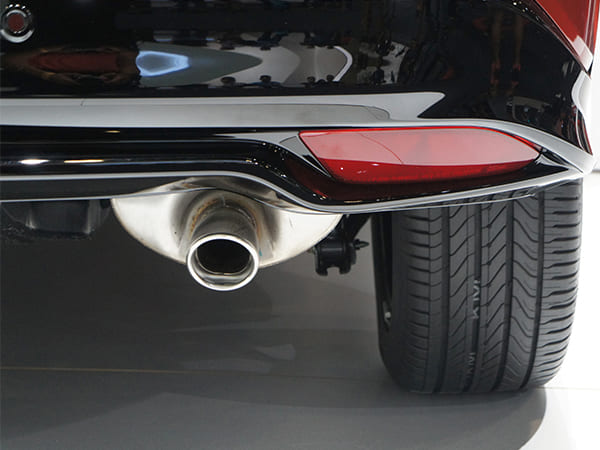
How the Exhaust System Actually Moves Everything Along
Think of the exhaust system like a line of coworkers. Each part has a job, and when one struggles, the rest feel it. Utah’s temperature swings make this even more noticeable.
Mechanic insight:
“Most exhaust problems start as tiny pinholes you’d never spot.”
Here’s the quick version of how everything moves:
The manifold takes the first hit
Hot gases leave the engine and slam into the manifold. It heats up fast, then cools overnight in Utah’s winter chill. That constant temperature shift leads to small cracks.
Oxygen sensors read the air-fuel balance
These sensors track how much oxygen is left in the exhaust. On canyon climbs toward Park City or Big Cottonwood, thinner air makes them work harder. When they slow down, you’ll feel a difference.
The catalytic converter cleans things up
This part breaks down harmful gases. When it clogs, power drops. When it overheats, you notice a smell. Utah’s emissions tests often catch converter issues early.
The resonator and muffler quiet the noise
They don’t boost performance, but they keep the exhaust tone smooth. Salt buildup in winter eats away at their seams.
The tailpipe sends everything out
Its job is simple, but damage here still causes trouble. A bent or rusty pipe can restrict flow and push pressure back toward the converter.
Why Utah Beats Up Exhaust Systems More Than Other States
It’s not dramatic—it’s just the reality of driving here.
- Cold nights create condensation inside the pipes.
- Snow and slush carry salt right to the welds.
- Long canyon climbs heat the system up fast.
- Dust from rural roads gets into small gaps.
- Traffic in Salt Lake traps heat under the vehicle.
These aren’t one-time problems. They add up. That’s why older vehicles in Utah have that “exhaust growl” sooner than the same model in a more humid state.
A Simple Step-by-Step Look at Checking Your Exhaust
Here’s the same kind of walkthrough a mechanic would give a friend who wants to stay ahead of trouble.
- Start with the sound
Let the car idle for a minute. Listen for anything sharper, deeper, or “puffier” than normal. A small leak often changes the tone before it gets loud. Cold Utah mornings make this easier to hear because the metal contracts overnight.
- Look for movement under the car
Once the engine is running, take a safe look underneath—from a distance. Watch for shaking exhaust pipes or loose hangers. If something’s bouncing around, it usually means a clamp has rusted or a rubber hanger has stretched.
- Check for moisture patterns
A little water dripping after a cold startup is normal. But steady dripping, puddling, or dark streaks on the pipes can point to internal rust. Utah’s freeze–thaw cycle pushes condensation into these weak spots.
- Smell the air around the vehicle
A strong, sweet, or sulfur-like smell is a huge clue. That smell often shows up before the check engine light does. A mechanic might tell you, “If your nose notices something odd, your car already knows something’s off.”
- Pay attention during acceleration
On your next drive—especially up a hill—see if the car feels sluggish or louder under load. Clogged catalytic converters and weak oxygen sensors both show up during climbs. Utah’s canyons make these issues obvious.
- Watch for dashboard warnings
A check-engine light related to oxygen sensors or emissions doesn’t always mean a major problem, but it does mean the exhaust system isn’t working at its best. Catching it early keeps the catalytic converter from overheating.
Real Utah Canyon Drive That Revealed Exhaust System Trouble
A driver from Orem told us their car felt fine around town but ran out of steam climbing Provo Canyon, and that kind of hill usually exposes an exhaust problem pretty fast.
Here’s what we spotted right away:
- The oxygen sensor was lagging, so the engine wasn’t getting good readings
- The catalytic converter was starting to clog, which choked the exhaust flow
- The car struggled on the hill because it just couldn’t breathe well enough
Once we swapped those parts out, the car pulled up the canyon like normal again and passed emissions without any stress.
Quick Data-Backed Facts About Exhaust Wear
- Catalytic converters run extremely hot.
The EPA notes they often reach 1,200–1,600°F. Any airflow restriction pushes that temperature even higher. - Short trips build up moisture and rust.
AAA explains that exhaust moisture doesn’t burn off on short drives. Utah winters make this even more common. - Weak oxygen sensors waste fuel.
NHTSA reports worn sensors can raise fuel use by up to 15%. Many drivers feel this as slower acceleration.
A mechanic might put it simply:
“Heat, moisture, and slow sensors are what take out exhaust systems fastest.”
Is Your Exhaust Working Right in Utah?
Your exhaust system moves gases, cleans them, and helps the engine breathe. Utah makes that job tougher with cold mornings, salted winter roads, and long canyon climbs that heat everything up fast. When you understand how an exhaust system works, it becomes easier to notice when something feels off.
Steve’s Automotive Specialist has been serving Utah drivers since 1977 and uses advanced, factory-level equipment to diagnose and repair exhaust components and mufflers on sedans, crossovers, SUVs, hybrids, and light trucks of many model years.
If you want a quick exhaust check, you’re welcome to schedule a visit — and don’t forget to explore our related posts for more helpful maintenance tips.
Frequently Asked Questions
Why does my exhaust get louder after winter storms?
Salt finds its way to weak spots and opens them up faster than you’d expect. A tiny rust spot can turn into a full leak within a season.
Do short winter trips hurt the exhaust system?
Yes—when the system doesn’t warm up fully, it can’t evaporate moisture, which allows trapped condensation to speed up rust.
Can a loose heat shield make the car sound broken?
It can. A vibrating shield sounds worse than it is, but it still needs to be tightened or replaced.
Does canyon driving wear out exhaust sensors?
Climbing hills forces the sensors and converter to work harder. Over time, that extra strain shortens their lifespan.
Is a small exhaust leak dangerous inside the car?
Yes. Even a small leak can let fumes into the cabin. It’s important to get it checked quickly.