
Picture this: you’re cruising through the scenic roads of Utah — maybe heading up Big Cottonwood Canyon or navigating busy Salt Lake traffic — when suddenly ding! the Toyota ABS warning light flicks on. It’s one of those moments where your heart sinks just a little. Most drivers know it’s important but aren’t exactly sure how important. Is your vehicle still safe to drive? Is it a quick fix or a major repair? It’s not just a dashboard light — it’s your car trying to tell you something.
The truth is, your Toyota’s ABS (Anti-lock Braking System) plays a vital role in keeping you and your passengers safe, especially on Utah’s unpredictable roads. From snowy highways to sudden spring rainstorms, ABS helps prevent wheel lock-up and allows you to maintain control during hard stops. If that warning light comes on, don’t ignore it — and don’t panic either. In this guide, we’ll walk you through exactly what the light means, what to do about it, and how to get back on the road with confidence.
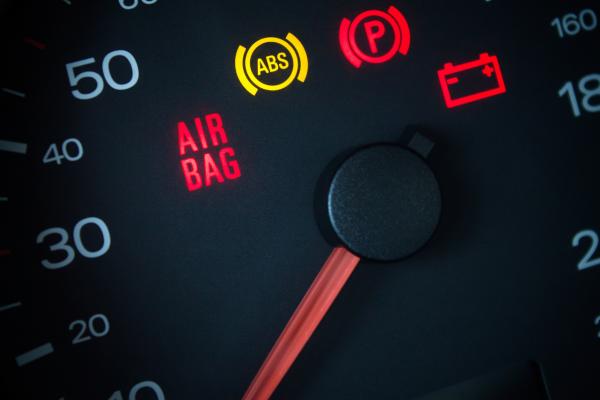
What Does the ABS Warning Light Mean?
The ABS (Anti-lock Braking System) is one of your car’s key safety features. It’s designed to stop your wheels from locking up under hard braking so you can maintain control of the vehicle. In short, it helps you stop smarter, especially in emergencies or slippery conditions like snow or rain.
So when the Toyota ABS warning light comes on, your car is telling you that something in that system isn’t working correctly. It doesn’t necessarily mean your brakes will stop working, but it does mean your anti-lock system might not be there when you need it most.
Common Causes of ABS Warning Light:
- A faulty or dirty ABS wheel speed sensor
- Corroded or broken sensor wiring
- Low brake fluid level
- A failing ABS control module
- Blown fuse or electrical fault
What Should You Do First?
If your ABS light just came on, here’s what to do — safely and sensibly.
Stay Calm and Observe
The first thing is not to panic — your regular brakes are likely still working. Keep driving steadily, avoiding sudden stops or sharp braking. Take mental note of whether the brakes feel normal or different.
Check Brake Fluid Level
Park safely, pop the hood, and look at the brake fluid reservoir near the back of the engine bay. If the fluid level is low, top it off with the correct type (usually DOT 3 or DOT 4). However, remember that low fluid may mean there’s a leak that needs professional attention.
Restart the Engine
Sometimes, the ABS light comes on due to a temporary sensor glitch. Turn the vehicle off and restart after a minute or two to see if the light clears. If it returns, you’re likely dealing with an actual fault that needs diagnosis.
Avoid Sudden Braking
Without ABS support, hard stops can cause your wheels to lock up, especially on wet or icy roads. Brake gradually and increase following distance while driving. This gives you a buffer until the system is inspected.
Schedule a Diagnostic Inspection
Modern Toyotas store ABS-related fault codes that can pinpoint the problem quickly. A professional with the right scan tool can read these codes and assess sensor performance. This step saves time and helps avoid misdiagnosis or unnecessary repairs.
Why It’s Important to Fix Your ABS Promptly
Your ABS doesn’t just help you in emergencies — it helps every time the roads are unpredictable, which in Utah, is often. Icy mornings, rainy evenings, gravel roads, and sudden animal crossings are all real situations where ABS can make a huge difference.
Ignoring the Toyota ABS warning light could lead to:
- Increased stopping distances under pressure
- Loss of steering control while braking on slippery roads
- Brake lock-up in emergency situations
- More costly repairs from system neglect
- Failed inspections or registration issues in some Utah counties
Driving with the light on may seem fine now — until the one time it’s not.
Real-World Case: ABS Warning on a Toyota Highlander
A customer from Salt Lake brought in their Toyota Highlander with the Toyota ABS warning light showing up after a snowstorm. They hadn’t noticed any change in braking but wanted peace of mind before heading up to Logan Canyon for a ski trip.
After scanning the system, we found a corroded front-wheel speed sensor caused by slushy road buildup and de-icing salts — a common Utah issue. We cleaned the sensor, replaced the wiring harness, and reset the warning. The light stayed off, and they continued their trip with full braking confidence.
The Numbers Don’t Lie: ABS and Safety
Data from the National Highway Traffic Safety Administration (NHTSA) shows that vehicles with functioning ABS are 35% less likely to be involved in multiple-vehicle collisions. In wet or snowy conditions — like what we see in much of Utah — ABS can reduce stopping distance by up to 28%.
Without it, even a good driver loses a key advantage during emergencies. And that’s something no one wants to learn the hard way.
When to See a Professional (And Why It Matters)
Fixing ABS issues isn’t always a DIY-friendly task. It involves specialized diagnostic tools and a deep understanding of your Toyota’s braking system. A qualified technician will:
- Scan for stored diagnostic codes
- Test each ABS sensor at the wheels
- Check wiring, resistance, and response time
- Inspect brake fluid levels and pressure
- Confirm the issue before resetting the system
When you bring your car to a professional in Utah, you want someone who understands the local driving conditions and how they affect your vehicle — year-round.
Trust Your Gut — and a Certified Expert
The Toyota ABS warning light is more than just a dashboard icon. It’s your car’s way of saying, “Hey, something’s not right — let’s fix it before it gets worse.” In a place like Utah, where road conditions change by the hour, your ABS system isn’t optional — it’s essential.
At Steve’s Automotive Specialists, your safety is our top priority. Our technicians are proudly certified by the National Institute for Automotive Service Excellence (ASE), ensuring your vehicle is in the hands of trained, knowledgeable professionals.
Need answers or peace of mind? Schedule an inspection today — we’re happy to help.
FAQs About Toyota ABS Warning Light
1. Is it safe to drive with the ABS warning light on?
Yes — for a short period and with extra caution. The regular brakes still work, but without ABS, you may not have optimal stopping power during emergencies or on slippery surfaces. Get it checked as soon as possible to avoid risky situations.
2. Can I reset the ABS light at home?
Technically yes, but it’s not recommended unless you know the issue is resolved. Resetting the light without fixing the problem could lead to repeated warnings or brake performance issues. A scan tool will show what caused the light to come on in the first place.
3. What are the most common repairs for ABS problems?
The most frequent issues involve wheel speed sensors or damaged sensor wiring. Replacing a sensor typically costs between $150–$400. More complex issues like a faulty control module can run higher, from $600–$1,200 including labor.
4. Does Utah weather affect the ABS system?
Absolutely. Winter driving, salted roads, and temperature swings can cause sensor corrosion, wiring issues, or even fluid problems. Many ABS-related visits in our shop come during or right after the snow season.
5. Will the car pass inspection with the ABS light on?
Depending on your Utah county and inspection rules, it might not pass. Even if it does, a lit ABS warning indicates a problem that compromises safety. It’s always smart to resolve it before hitting the road.