
Have you noticed your Toyota riding rougher than usual lately? Maybe it’s leaning in corners, making odd noises over bumps, or just not handling like it used to. These might seem like minor annoyances, but they can be early indicators of Toyota suspension component wear —a problem that can sneak up on you and compromise your safety and comfort if left unchecked.
In this post, we’ll walk through the signs of suspension wear, what causes it, what you can do about it, and when it’s time to have a professional take a look. Whether you’re cruising through Salt Lake City or tackling Utah’s canyon roads, a healthy suspension system keeps your Toyota driving the way it should.
What Does Your Toyota’s Suspension Do?
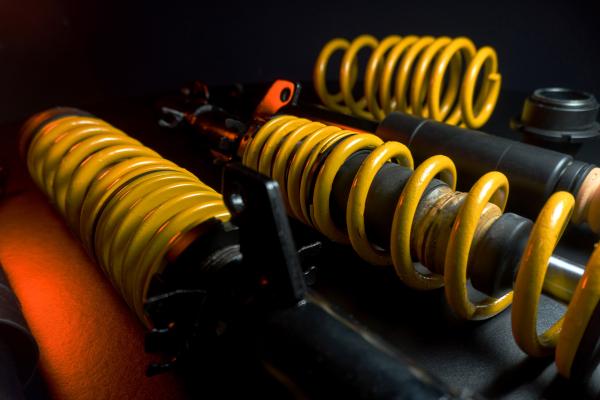
Your suspension system is like the middleman between the road and your car. It absorbs bumps, helps your vehicle corner smoothly, keeps your tires in contact with the road, and ensures stable braking. It’s made up of several components that all work together, including:
- Shocks and struts
- Control arms
- Ball joints
- Springs
- Sway bars
- Bushings
When even one of these parts starts to wear out, it affects the performance of the entire system—and that means your Toyota won’t feel as confident, smooth, or safe on the road.
Common Signs of Toyota Suspension Component Wear
Let’s get into the red flags. These are the symptoms that Toyota owners around Utah tend to notice when suspension problems begin to creep in.
1. Uneven Tire Wear
If your tires are wearing out faster on one side than the other, or you’re replacing them more often than you should, there’s a good chance your suspension is part of the problem. Worn components can throw off alignment and put extra stress on your tires.
2. Clunking, Knocking, or Rattling Sounds
Hearing noises when going over speed bumps or turning corners? That’s a classic sign of worn-out bushings, ball joints, or sway bar links. These sounds are often the result of metal parts moving too much because their rubber insulators have broken down.
3. Excessive Bouncing
A well-functioning suspension should keep your car stable, not bouncing like a trampoline. Try the bounce test: press down hard on the hood or trunk and see how many times it bounces. More than two? Your shocks or struts are likely worn.
4. Pulling or Wandering While Driving
If your Toyota drifts to one side or you’re constantly correcting the steering, the suspension could be out of alignment. It might be due to worn control arms, bushings, or a broken spring.
5. Nose Dives or Rear Squats During Braking or Acceleration
When your front end dips dramatically while braking, or the rear squats while accelerating, it’s usually because your struts or shocks aren’t providing enough resistance. This can affect stopping distance, handling, and ride comfort.
6. Visible Damage or Leaks
You don’t need to be a mechanic to spot leaking struts or torn bushings. Take a quick look behind your wheels or under the car—if you see oily residue on the shocks or notice cracked rubber parts, that’s a clear signal it’s time for service.
Why Utah Drivers Deal with More Suspension Issues
Let’s be real: Utah is hard on cars. Between the freeze-thaw cycles, road salt in the winter, and long stretches of rough, uneven pavement, your suspension components are constantly taking a beating. Even newer Toyotas can start showing signs of wear earlier than expected in these conditions.
It’s also worth noting that elevation changes and canyon driving put extra strain on suspension systems. If you regularly head up Big Cottonwood Canyon or traverse the I-15 corridor, you’re asking a lot of your Toyota’s suspension every day.
Can You Fix Suspension Issues Yourself?
If you’re handy and have the right tools, some minor suspension fixes—like sway bar links or bushings—can be done at home. But there are a few reasons why many drivers prefer to let a professional handle it:
- Safety risks: Coil springs are under pressure and can be dangerous to remove without proper equipment.
- Special tools: Replacing control arms or struts often requires press tools and alignment machines.
- Hidden problems: A shop will check the entire system to ensure nothing gets overlooked, which is especially important with suspension issues.
Even if you’re a confident DIYer, it’s smart to have your work inspected afterward to ensure alignment is correct. Improper alignment can quickly undo any savings you gained by doing the work yourself, especially once uneven tire wear and poor fuel economy kick in.
Real Example: Suspension Wear in a Toyota Highlander
A local driver brought in their Toyota Highlander after noticing some odd behavior—loose steering, loud clunks over bumps, and unusual tire wear. After a full suspension inspection, we found worn control arm bushings, a leaking front strut, and sway bar links that had almost no resistance left.
Replacing those parts made a night-and-day difference. The steering tightened up, the noises disappeared, and the alignment brought the tires back to even wear. The customer had put it off for a few months, but they were glad they didn’t wait any longer, especially since worn bushings could’ve led to more severe damage or a dangerous loss of control.
How Long Do Toyota Suspension Parts Last?
There’s no one-size-fits-all answer, but here are some general guidelines:
- Shocks/Struts: 50,000–100,000 miles
- Ball Joints: 70,000–150,000 miles
- Bushings: Often degrade between 60,000–100,000 miles
- Sway Bar Links: Typically wear out around 50,000–80,000 miles
Your actual timeline depends heavily on how and where you drive. City drivers who face constant stop-and-go traffic may see slower wear, while rural or canyon drivers can wear through parts faster. Routine inspections are your best line of defense.
The Big Picture: Why It Matters
Ignoring suspension wear doesn’t just make your ride uncomfortable—it can affect your Toyota’s safety, efficiency, and even your wallet. Poor suspension reduces control, extends braking distance, and contributes to uneven tire wear. Over time, what starts as a small fix can lead to a cascade of expensive repairs.
The good news? Catching issues early usually means cheaper, simpler fixes and fewer surprises down the road. And when repairs are done by professionals, many come with strong warranties to give you peace of mind.
Covered Nationwide, Trusted Locally
All repairs and services performed on your suspension system are backed by a comprehensive nationwide warranty. That means even if you’re traveling outside Utah, your investment is protected. Locally, you’re working with experienced professionals who know what Utah roads can do to a car—and how to fix it right the first time.
If your Toyota is showing any signs of suspension component wear, don’t wait. Bring it in for an expert inspection and drive away knowing you’re safe, smooth, and supported on every road ahead. Schedule your appointment with Steve’s Automotive Specialists today and get back on the road with confidence.
FAQs About Toyota Suspension Component Wear
1. Is it safe to drive with a worn suspension?
It’s not ideal. Worn suspension parts can lead to longer stopping distances, poor handling, and increased tire wear, making driving riskier, especially in bad weather or emergencies.
2. What causes suspension components to wear out faster in Utah?
Rough roads, road salt, elevation changes, and extreme weather all contribute to faster wear on parts like bushings, struts, and control arms.
3. How do I know which part of the suspension is worn out?
Often, a professional inspection is the only way to know for sure. Symptoms like clunking, uneven tire wear, or poor handling point to specific components, but a full check is needed for an accurate diagnosis.
4. Can I just replace one part at a time?
Yes, but some parts should be replaced in pairs for safety and performance, like struts or shocks. Replacing a single component may fix the symptom but not the root cause.
5. Does replacing suspension parts require a realignment?
Almost always. After replacing parts like control arms or struts, an alignment ensures your tires wear evenly and your Toyota drives straight.