
Driving across Utah—whether you’re cruising along I-15 in Salt Lake City or heading toward the quieter roads near Santa Clara—you’ve probably heard cars with a deeper, smoother exhaust note. A lot of those vehicles are running a turbo-back exhaust system, a common upgrade for drivers who want better engine response and cleaner airflow.
And once Utah drivers start looking into exhaust upgrades, the same question comes up every time:
How does this affect the legal limits for vehicle exhaust noise in Utah—and how does the system actually work?
This guide breaks everything down in a simple, conversational way, with Utah driving conditions in mind—just like a mechanic explaining things to a neighbor over the driveway.
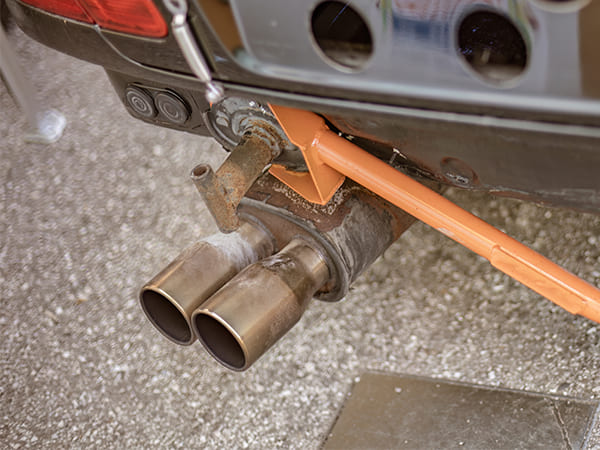
What a Turbo-Back Exhaust Really Does (And Why It Matters in Utah)
A turbo-back exhaust system replaces every exhaust component starting at the turbocharger and ending at the tailpipe. That includes:
- Downpipe
- Mid-pipe
- Catalytic converters
- Muffler
- Resonators
- Tail section
The idea is straightforward: give exhaust gases a cleaner, faster path out of the engine, which helps the turbo spin more freely and reduces buildup or restriction.
Most Utah drivers instantly notice:
- Smoother acceleration
- Sharper throttle response
- A deeper, cleaner exhaust tone
- Some extra horsepower depending on the setup
Of course, the big concern is staying within Utah’s legal limits for vehicle exhaust noise. The good news? With the right components, you can absolutely get more performance without crossing the noise line.
Why Turbo-Back Systems Make Sense in Utah’s Harsh Driving Conditions
Utah’s environment is no joke. Between elevation changes, dramatic weather swings, and long freeway stretches, your engine and exhaust deal with a lot more than most drivers realize.
Here’s why turbo-back systems work especially well here:
High Altitude (Salt Lake City, Orem, Hyde Park)
Thinner air forces engines to work harder. Improved exhaust flow helps recover some of that lost power so your car doesn’t feel sluggish.
Steep Grades & Canyon Driving
If you’ve ever taken Logan Canyon or Big Cottonwood Canyon, you know how fast turbo response matters. A better-flowing exhaust keeps power more consistent on climbs.
Winter in Clearfield & the Northern Valley
Cold air increases condensation inside the exhaust. That’s why stainless steel systems are recommended—they hold up way better through freezing temps and salted roads.
Desert Heat in Santa Clara & St. George
Factory exhaust metals expand and contract constantly in extreme heat. Upgraded alloys handle this without warping or weakening.
Put simply: a turbo-back system is built to handle Utah’s extremes—so long as you pick parts that stay within the state’s noise rules.
How a Turbo-Back Exhaust System Works — Step by Step
Here’s the easiest way to picture what’s happening when the exhaust flows through the system:
1. Turbocharger Outlet
Exhaust gases leave the turbo at high speed. A smoother downpipe gives them a faster exit path, which helps reduce turbo lag.
2. Downpipe Performance
A high-flow downpipe keeps gases moving quickly into the mid-section with less turbulence.
3. Catalytic Converters
You’ve got two main options:
- High-flow catalytic converters that stay emissions-legal while boosting performance
- Catless systems, which are not legal on Utah roads
Most street-driven vehicles stick with high-flow cats.
4. Resonators
Resonators tone down raspiness and reduce drone—super important if you want to stay within legal limits for vehicle exhaust noise in Utah.
5. Muffler
This is where the sound gets shaped and the volume drops to a comfortable level.
6. Tailpipe Exit
The tip controls the final sound character. It won’t change power, but it can definitely change tone.
Factory Exhaust vs. Turbo-Back Exhaust (Quick Comparison)
| Feature | Factory Exhaust | Turbo-Back Exhaust |
| Airflow | Restrictive | High-flow, efficient |
| Sound Level | Quiet, conservative | Tunable with resonators/mufflers |
| Performance | Standard | Faster turbo response |
| Materials | Mild steel | Stainless/aluminum |
| Utah Noise Compliance | Compliant | Requires careful selection |
Benefits for Utah Drivers Considering Turbo-Back Systems
Stronger Performance on Mountain Roads
Climbing hills near Hyde Park or merging onto I-215 feels easier because the turbo wakes up faster.
Reliable Highway Efficiency
On longer drives—say between Sandy, Clearfield, or Orem—a less restrictive exhaust helps the turbo maintain steadier output.
Longer Lifespan in Harsh Weather
The upgraded materials handle:
- Road salt
- Winter moisture
- Intense summer heat
Much better than stock systems.
Deep Tone Without Breaking Noise Rules
Most Utah drivers want their car to sound better, not necessarily louder.
A good resonated turbo-back setup keeps the tone deep and clean while staying legal.
Local Example: A Salt Lake City Driver Upgrades Responsibly
A customer in Salt Lake City wanted better turbo response for his daily commute to Sandy. His biggest concern?
“I don’t want my car waking up the whole neighborhood in the morning.”
Totally understandable.
We installed a resonated turbo-back system paired with a high-flow catalytic converter. He noticed quicker boost and smoother shifting immediately—but the volume stayed controlled and within Utah’s acceptable noise level.
That’s exactly how it should be.
What Industry Data Shows (SAE & EPA Findings)
Groups like SAE International and the EPA consistently report that reducing backpressure:
- Helps the turbo operate more efficiently
- Reduces heat buildup
- Results in smoother, more stable fuel burn
These findings line up perfectly with what Utah drivers experience, especially with elevation changes and long highway drives. A well-designed turbo-back system simply performs better here.
The Bottom Line on Turbo-Back Exhausts in Utah
Turbo-back exhaust systems help Utah drivers—from Salt Lake City down to Santa Clara—enjoy smoother airflow, better turbo response, and more consistent performance in day-to-day driving. The most important part is choosing components that stay compliant with legal limits for vehicle exhaust noise, while also fitting your driving style.
If you’re planning an upgrade, Steve’s Automotive Specialist can help you choose the right setup and verify noise compliance. Every vehicle is also returned clean, and we make sure all common-touch surfaces are sanitized after each service.
Feel free to reach out anytime for a consultation, performance inspection, or noise-level check. And if you’re curious about more tips, take a look at our other helpful blogs.
FAQs
How can I tell if my exhaust is too loud for Utah laws?
If you’re hearing extra drone or sharpness when accelerating, that’s usually a sign. A shop can check your sound levels with proper tools.
Does installing a turbo-back exhaust void a warranty?
Not automatically. The manufacturer must prove the upgrade caused the problem. Keeping paperwork always helps.
Do I need a tune after installing a turbo-back system?
Some cars benefit from a tune for smoother power delivery. Others run fine without it. It depends on your model and setup.
What exhaust material handles Utah weather best?
304 or 409 stainless steel holds up extremely well against corrosion, cold, heat, and road salt.
Can a quiet exhaust still improve performance?
Absolutely. A well-designed resonated system can stay quiet and give your turbo the airflow it needs.