
Most Utah drivers have been there. You hop in your Ford, turn the key, and something just feels… off. Maybe the dash lights flicker. Maybe it struggles to start on a cold morning. Or maybe everything looks fine until one day it isn’t.
Ford electrical system problems are actually pretty common, especially here in Utah where cold winters, dry summers, and elevation changes can really put a vehicle to the test. These issues don’t always show up with loud warning signs. Sometimes it’s a small glitch that slowly turns into a big headache.
The good news? Once you understand what’s happening and why, these problems become a lot less intimidating.
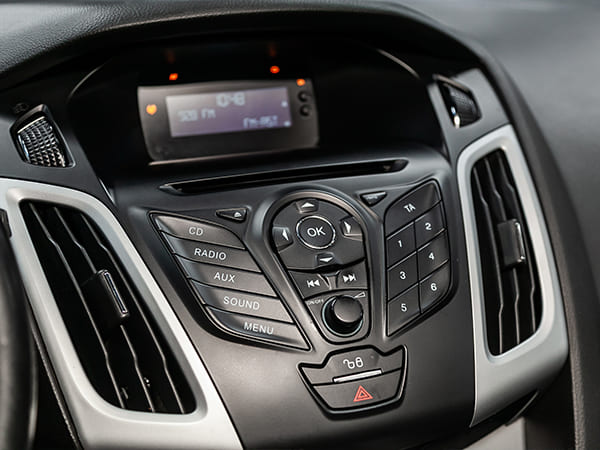
What Are Ford Electrical System Problems, Really?
Your Ford’s electrical system is basically the brain and nervous system of the vehicle. It controls starting, charging, lighting, safety features, sensors, and all the technology you rely on every day.
When something goes wrong electrically, it can affect multiple systems at once. That’s why electrical issues often feel confusing or random.
In Utah, these problems tend to show up more often because:
- Cold temperatures strain batteries
- Heat dries out wiring and insulation
- Road salt speeds up corrosion
- Elevation changes stress electrical components
Even newer Ford models can develop electrical problems if small issues go unchecked.
How Utah’s Climate Makes Electrical Problems Worse
Utah’s environment creates the perfect storm for electrical issues:
- Cold winters reduce battery efficiency
- Heat dries and cracks insulation
- Snow and road salt speed up corrosion
- Mountain driving increases electrical load
Even vehicles that are well maintained can develop problems faster in these conditions.
That’s why electrical inspections aren’t just helpful — they’re preventative.
Common Ford Electrical System Problems Utah Drivers See
Battery Drain and Weak Starting
This is one of the most common complaints. You replace the battery, and a few weeks later it’s dead again.
Often, the real cause is:
- A parasitic draw
- A faulty relay
- A module not shutting off properly
Cold Utah winters make battery problems show up faster, especially in older Fords or vehicles that sit overnight outside.
Alternator and Charging System Issues
When an alternator starts failing, your vehicle may still run — just not well.
Common signs include:
- Dim headlights
- Warning lights on the dash
- Electronics acting strange
- Stalling while driving
Because modern Fords rely heavily on electronics, a weak charging system can cause multiple symptoms at once.
Wiring and Ground Problems
Wiring issues are more common than people realize, especially in Utah where road salt and moisture are factors.
Loose or corroded grounds can cause:
- Random warning lights
- Intermittent power loss
- Electrical components working sometimes but not others
These are some of the hardest problems to diagnose without proper testing.
Sensor and Module Failures
Modern Fords use dozens of sensors to manage everything from fuel delivery to safety systems.
When a sensor or control module starts failing, it can cause:
- Rough idling
- Poor performance
- Reduced fuel efficiency
- False error codes
This is where experience matters. Replacing parts without testing often leads to wasted time and money.
Why Ford Electrical System Problems Shouldn’t Be Ignored
Electrical problems usually start small, like a slow start or a flickering light that’s easy to brush off.
But here’s the thing: electrical issues rarely fix themselves.
Left alone, they can lead to:
- Sudden no-start situations
- Repeated dead batteries
- Warning lights that won’t go away
- Loss of power to critical systems
- Costly diagnostic work later
A seasoned technician will tell you, “Electrical issues don’t usually fail loudly at first. They fail quietly — until they don’t.”
A Real Utah Example of Ford Electrical Failure
One Salt Lake Valley driver brought in a Ford F-150 that kept shutting off at stoplights, even though the battery had already been replaced twice.
After a full diagnostic, the real problem turned out to be a corroded ground wire hidden beneath the battery tray. Winter moisture had slowly eaten away at the connection.
Once repaired, the truck ran perfectly — and the battery stopped dying.
This kind of situation is extremely common and shows why proper diagnosis matters more than guessing.
What the Pros Say About Common Electrical Issues
- According to the National Institute for Automotive Service Excellence (ASE) , electrical and charging system failures are among the most common causes of vehicle breakdowns in modern cars.
- The Car Care Council also notes that temperature extremes significantly reduce battery life and increase electrical failures — something Utah drivers deal with every year.
These organizations consistently recommend routine electrical inspections, especially before winter or long road trips.
Ford Electrical System Problems Explained: What to Watch For
Signs You Shouldn’t Ignore
- Flickering or dim dashboard lights
- Trouble starting the vehicle
- Electronics cutting in and out
- Burning smells or clicking sounds
- Repeated warning lights
If you notice any of these, it’s usually a sign that something deeper is going on.
Mechanic’s Tip
“If your vehicle is acting differently but still driving fine, that’s usually the best time to have it checked. Waiting almost always makes it harder to fix.”
Trusted Help for Ford Electrical Problems in Utah
Ford electrical system problems can feel overwhelming, especially when symptoms don’t make sense. But once you understand how these systems work and what signs to watch for, the process becomes much less stressful.
Our technicians are handled with experience, proper testing, and straight answers. Whether it’s a warning light, a starting issue, or something that just doesn’t feel right, our team helps Utah drivers get clarity without the guesswork.
If your Ford is showing signs of electrical trouble, it’s worth having it checked before the issue grows. Reach out to Steve’s Automotive Specialist to schedule an inspection and get confident answers you can trust.
FAQs About Ford Electrical System Problems
What causes electrical problems in Ford vehicles?
The most common causes are aging batteries, failing alternators, corroded wiring, and faulty sensors. Climate and driving habits also play a big role.
How can I tell if it’s electrical or mechanical?
Electrical problems often show up as warning lights, inconsistent behavior, or multiple systems acting up at once.
Are Ford electrical problems common?
They’re not unusual, especially as vehicles get more advanced. Most issues are manageable when caught early.
Can electrical issues affect safety features?
Yes. Electrical faults can impact airbags, traction control, and braking systems, which is why diagnosis matters.
How often should electrical systems be inspected?
Once a year is a good baseline, especially before winter or long trips.