
Ford internal water pumps, particularly in Duratec V6 engines, often fail without visible external leaks. In Utah’s extreme temperature swings, seals degrade, potentially leaking coolant into the oil and causing catastrophic engine failure. Recognizing early symptoms like unexplained coolant loss or milky oil is essential for preventing permanent engine damage.
Why Ford Internal Water Pump Failure Is So Risky
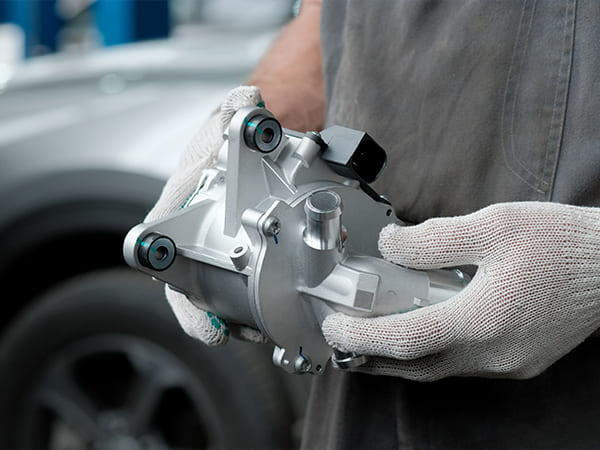
For many vehicle owners, a water pump failure is a minor inconvenience—a puddle on the driveway and a simple bolt-on replacement. However, several popular Ford models (including many Explorers, Edges, and F-150s equipped with the 3.5L or 3.7L Cyclone/Duratec V6) utilize an internal water pump.
Because this pump is driven by the timing chain inside the engine, it is hidden from view. When it fails, it doesn’t always leak onto the ground; it often leaks directly into the engine’s oiling system. This creates a “silent killer” scenario where the coolant contaminates the oil, destroying the engine’s ability to lubricate its moving parts.
Common Ford Water Pump Failure Symptoms
In our experience, we find that Utah drivers often miss the early warning signs because they are looking for “traditional” overheating.
1. Unexplained Coolant Loss
If you find yourself topping off your coolant reservoir every few months but see no green or orange puddles on your garage floor, the fluid is going somewhere. In a Ford V6, it is likely being consumed by the engine or mixing with the oil.
2. The “Milkshake” Under the Oil Cap
When coolant and oil mix, they form a thick, tan, or milky emulsion. During your routine oil check, look at the underside of the oil fill cap. A frothy, light-brown residue is a definitive sign of internal contamination.
3. High Temperature Spikes
In Utah’s high-altitude climbs—such as driving up Parleys Canyon—the engine is under significant load. If the water pump bearings are failing or the impeller is slipping, you will notice the temperature needle creeping toward the red zone only during these uphill stretches.
4. Ticking or Grinding Noises
Because the pump is driven by the timing chain, a bearing failure in the pump can cause a mechanical “whine” or “clack” that changes with engine RPM. This is often mistaken for a bad alternator or idler pulley.
How Utah Weather Affects Your Ford Water Pump
Utah presents a “perfect storm” for cooling system stress. Our state experiences extreme temperature fluctuations, ranging from sub-zero winters to triple-digit summer heat.
- Thermal Expansion: These rapid shifts cause seals to expand and contract aggressively, eventually leading to seal hardening and failure.
- Road Salt and Corrosion: The salt used on Utah roads can accelerate the corrosion of external components, including the exit point of the water pump weep hole. If this hole blocks up, a minor leak becomes an engine-destroying event.
- High Altitude: Lower atmospheric pressure at higher elevations lowers the boiling point of coolant, putting additional pressure on the water pump’s integrity during mountain hauls.
What we commonly see in our work: We recently saw a Ford Explorer from Salt Lake City that showed no signs of a leak on the driveway. The owner noticed the heater wasn’t blowing as hot as usual—a classic sign of low coolant. Upon inspection, we found the oil was already contaminated. By catching it then, we saved the engine; two weeks later, that vehicle would have likely needed a total engine replacement.
Best Practices for Ford Cooling System Maintenance
Waiting for a warning light is often too late for an internal water pump. We recommend a proactive approach:
- Coolant Flushes: Replace your coolant according to the manufacturer’s “Severe Service” schedule (which applies to most Utah drivers). Fresh coolant has corrosion inhibitors that protect the pump seals.
- Oil Analysis: During a standard oil change, a technician can look for signs of moisture that don’t belong.
- The 150,000-Mile Rule: If your Ford has an internal water pump and you are approaching 125,000 to 150,000 miles, consider replacing the pump as a preventive measure while performing other timing chain maintenance.
Expert Ford Water Pump Diagnostic Check
If you are concerned about your vehicle’s cooling system or have noticed a drop in coolant levels, a professional inspection is the most reliable way to ensure your engine’s longevity. At Steve’s Automotive Specialists, we can perform a pressure test and oil inspection to determine the health of your Ford’s internal components. For those in the Utah area seeking clarity on Ford engine repairs, feel free to contact us for a professional assessment.
Frequently Asked Questions
How long can I drive with a leaking Ford water pump?
You should not drive the vehicle once a leak is confirmed. If the pump is leaking internally, even a short trip can lead to “slugging” the oil, which causes the engine to seize, resulting in a repair bill that is thousands of dollars higher than a pump replacement.
Does a “Check Engine” light come on when the water pump fails?
Not necessarily. A light may only appear once the engine begins to overheat or if the timing becomes retarded due to chain slack caused by a failing pump bearing. By then, significant wear may have already occurred.
Is the water pump failure common in all Ford vehicles?
It is most prevalent in the 3.5L and 3.7L Duratec engines found in the Ford Edge, Explorer, Flex, and some F-150 models from the last decade. Other Ford engines with external, belt-driven pumps are less prone to this specific type of internal failure.
Can the cold Utah winters cause the water pump to fail faster?
Yes. Extreme cold makes rubber seals brittle. When a cold engine is started and rapidly warms up, the sudden thermal shock can cause aged seals to crack or pull away from the mounting surface.
Ford Water Pump Longevity Tips
Dealing with a Ford water pump failure in Utah goes beyond a simple cooling fix; it is a serious risk to your engine’s internal health. By keeping a close eye on your coolant levels, checking your oil for contamination, and understanding how the Duratec V6 is built, you can prevent an expensive engine replacement. Staying ahead of maintenance is truly the best way to handle the unique stress Utah’s driving conditions put on your vehicle.