
Frequent short trips across Utah prevent Land Rover engines and batteries from reaching operating temperatures, causing fuel dilution, moisture buildup, and chronic battery drain. Protect your vehicle by halving oil change intervals to 5,000 miles, utilizing monthly battery maintainers, and taking bi-weekly 30-minute highway drives to clear exhaust condensation.
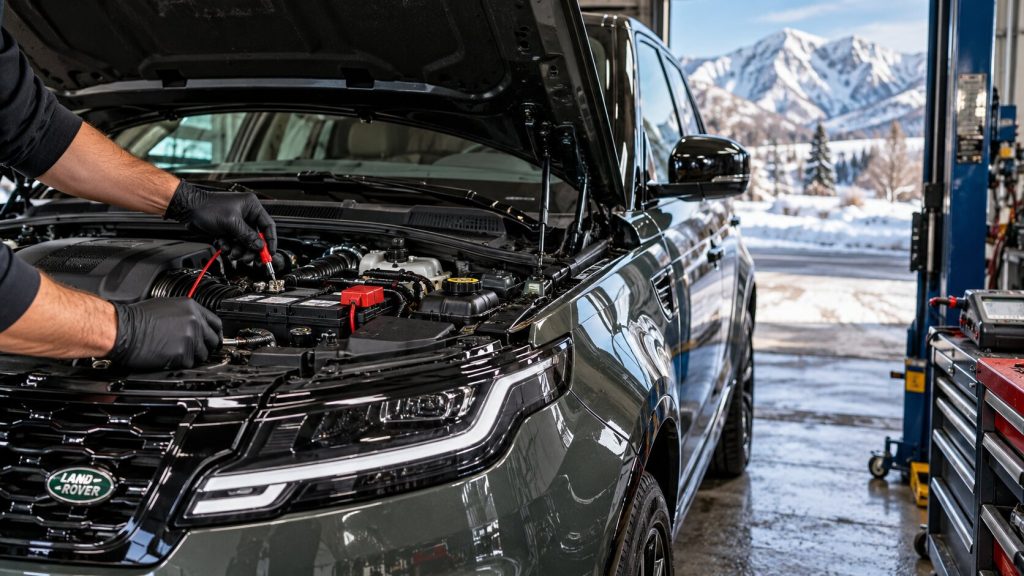
Repeated short trips prevent Land Rover engines, battery systems, and exhaust components from reaching stable operating temperatures. When drives are under ten minutes, fuel dilution in the engine oil increases, moisture condenses inside the crankcase, and the battery drains without receiving a complete recharge cycle. Following our targeted short-trip maintenance schedule prevents premature wear on critical powertrain and electrical systems.
How Cold Engines Suffer During Brief Utah Commutes
During a cold engine start, the engine control module injects excess fuel to stabilize combustion and heat up the catalytic converters. On short drives under five miles in Utah, we regularly test Land Rover V6 and V8 engines where oil fails to reach its 200°F threshold, which is the minimum temperature needed to evaporate unburned fuel and water. Gasoline washes past the piston rings into the oil pan, driving fuel dilution past safe levels (above 5%) and thinning the oil so it can no longer protect delicate internal bearings.
Moisture accumulation creates another hidden threat to internal engine hardware that we regularly address in our shop. Water vapor forms naturally as a byproduct of combustion and enters the crankcase during blow-by. When oil stays cold during sub-15°F Utah winter inversions, trapped condensation forms acidic sludge that corrodes internal bearings and clogs tight oil passages.
Short winter trips across Utah also put extreme stress on your vehicle’s electrical charging system. Starting a cold Land Rover engine demands over 300 cold-cranking amps from the heavy-duty AGM battery, while high-draw accessories like heated seats, blowers, and defrosters pull heavy power immediately. A ten-minute drive does not give the alternator enough time to restore spent battery capacity, leaving the electrical system in chronic undercharge and triggering low-voltage warning lights on your dashboard.
Early Warning Signs of Short Drive Wear
- Milky substance under the oil cap: Moisture mixes with oil vapors to form a thick yellow-white emulsion on top of the oil filler cap.
- Sluggish engine cranking: Slow starts indicate your main battery is resting below 12.2 volts due to incomplete recharge cycles.
- Persistent fuel smell on the dipstick: A distinct gasoline aroma signals fuel dilution exceeding safe 2.5% thresholds.
- Intermittent dashboard warning lights: Low system voltage frequently triggers false error codes across delicate electronic control modules.
Essential Maintenance Adjustments for Short Distance Driving
Adjusting your engine oil service intervals is the most effective step we recommend for short-commute vehicles. Standard factory schedules assume steady highway driving that burns off moisture and unburned fuel. When your vehicle sees primarily brief trips, changing the full synthetic engine oil and filter every 5,000 miles or six months removes raw fuel and acid before they can score crank bearings or damage internal seals.
Maintaining the electrical system requires proactive battery management during cold Utah winters. Hooking up an automatic smart charger or trickle maintainer once a month restores full 12.6V charge depth and prevents premature battery degradation. Checking terminal connections for battery corrosion and measuring cold cranking capacity during regular service stops prevents sudden no-start events.
Exhaust system components also require deliberate care to prevent soot accumulation. Land Rover gasoline catalytic converters and diesel particulate filters need high sustained temperatures to execute passive regeneration cycles (burning off trapped carbon). We suggest taking your vehicle on a bi-weekly 30-minute highway run up I-80 or I-15 to allow the exhaust to reach thermal equilibrium, burning off carbon deposits and evaporating trapped moisture.
Keeping Your Land Rover Performing Through Every Utah Season
Short commutes put extra stress on your vehicle, but our targeted maintenance approach prevents premature mechanical failures. Catching fuel dilution, battery degradation, and moisture buildup early protects your powertrain from high-dollar secondary damage. Our technicians apply hands-on diagnostic protocols to every service, keeping your Land Rover performing reliably through every Utah winter.
Ready to optimize your service schedule for local driving conditions? Visit us at Steve’s Automotive Specialist, located at 2809 S 2300 E, Salt Lake City, UT 84109, or schedule an appointment with us today for expert Land Rover care and maintenance.
Frequently Asked Questions
How often should I change oil if I only drive short distances?
Change your synthetic oil every 5,000 miles or six months if your trips are under ten minutes. This shortened interval removes raw fuel contaminants and condensation before fuel dilution degrades oil protection.
Why does my Land Rover battery die quickly on short commutes?
Cold starts pull over 300 amps from the battery, and short drives under ten minutes restore less than 40% of that consumed energy. Over time, the battery remains in a chronic state of partial discharge, leading to internal plate damage and premature cell failure.
Can driving short distances damage my Land Rover exhaust system?
Yes, brief drives prevent exhaust components from reaching the 500°F+ temperatures required to burn off soot deposits and evaporate condensation. Trapped moisture accelerates internal exhaust rust and clogs catalytic converters or particulate filters.
How does taking an occasional highway drive help my engine?
A 30-minute highway run allows engine oil to sustain temperatures above 200°F, which boils off accumulated water vapor in the oil pan. This heat also triggers passive regeneration cycles in the exhaust system to burn off carbon buildup.