
Why Turbochargers Are Essential for Your Audi’s Performance
Turbochargers are key components in many modern Audi engines, providing an essential performance boost by forcing additional air into the engine for more efficient combustion. This allows your Audi to achieve higher power without the need for a larger engine. Whether you drive an Audi with a TFSI (gasoline) or TDI (diesel) engine, understanding how the turbocharger works is critical to diagnosing potential issues and preventing costly repairs down the road.
However, like all car components, turbochargers are susceptible to wear and tear. Identifying common signs of failure early can prevent further damage to the engine and save you from expensive repairs.
In this guide, we’ll walk you through the most common signs of a failing turbocharger, what causes these issues, and how to troubleshoot problems before they become severe. We’ll also include real-world case studies to help you relate to the symptoms and solutions.
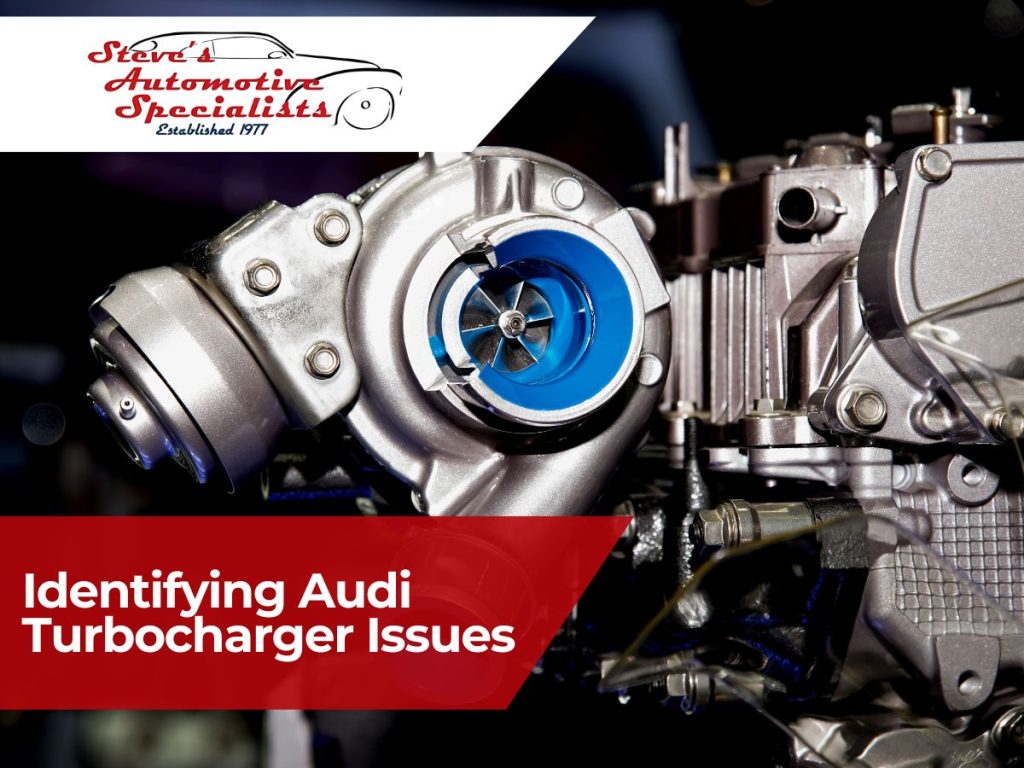
How Turbochargers Work in Audi Engines
Turbochargers use exhaust gases to spin a turbine, which powers a compressor that forces more air into the engine. This boost in air intake helps burn more fuel and increases horsepower, all while maintaining engine size. Audi’s TFSI and TDI engines are equipped with turbos to enhance both performance and fuel efficiency.
Given the high-speed rotations and heat generated within the turbo system, components are vulnerable to stress, which can eventually lead to failure if not maintained properly. Understanding how to spot early warning signs of turbo problems will help you take proactive measures to keep your Audi running at its peak.
Common Signs of Turbocharger Failure in Your Audi
Turbocharger failure can manifest in various ways. Below are the top signs to watch for, along with real-world examples from Audi owners to illustrate what you might encounter.
1. Loss of Power or Decreased Performance
A drop in acceleration or a noticeable loss of power while driving is a classic symptom of a failing turbo. The turbo is responsible for boosting engine performance, so any decrease in power can point to an issue with the turbo.
Case Study 1: Audi A4 (2013) – Decreased Performance An Audi A4 owner noticed a significant loss of power during highway driving. The car, which previously accelerated smoothly, now struggled to reach speed. After taking the car for diagnostic testing, the mechanic found that the turbo’s wastegate actuator was malfunctioning, causing the boost pressure to drop. The solution was to replace the actuator and recalibrate the system. This restored normal power output.
2. Excessive Exhaust Smoke
When a turbocharger starts failing, you may notice blue or black smoke coming from the exhaust. Blue smoke indicates that oil is leaking into the combustion chamber, often due to damaged seals. Black smoke suggests that the turbo isn’t getting enough air or that there’s a fuel-to-air ratio imbalance.
Case Study 2: Audi Q7 (2015) – Blue Smoke
A 2015 Audi Q7 began emitting blue smoke during acceleration. The owner reported noticing an oily smell as well. A mechanic determined that the turbocharger’s seals had worn out, allowing oil to leak into the exhaust system. The seals were replaced, and the turbocharger was cleaned, which eliminated the smoke and resolved the issue.
3. Strange Noises from the Turbocharger
Unusual noises, such as whining or grinding, coming from the turbo area usually signal mechanical failure. A whining sound is often caused by worn bearings, while grinding noises indicate that foreign objects may have damaged the turbo blades or that the internal bearings are failing.
Case Study 3: Audi S4 (2017) – Grinding Noise
An Audi S4 owner noticed a persistent grinding noise when accelerating at higher speeds. Upon inspection, the mechanic found that a small rock had lodged in the turbo’s intake system, damaging the turbine blades. After replacing the turbo and ensuring the intake system was free of debris, the noise disappeared, and the car returned to normal performance.
4. Increased Oil Consumption
If your Audi starts consuming more oil than usual, it could be a sign that oil is leaking into the turbocharger, which could be due to a worn-out seal or other damage. The turbo relies on a constant flow of oil to keep its moving parts lubricated, and without proper oil levels, it may fail.
Case Study 4: Audi A6 (2012) – Increased Oil Consumption
A 2012 Audi A6 owner found that their oil levels were dropping faster than expected. They also noticed a slight decrease in engine performance. A mechanic identified that the turbo seals were compromised, causing oil to leak into the exhaust system. Replacing the turbocharger seals helped restore normal oil consumption and engine performance.
5. Check Engine Light or Fault Codes
When the check engine light appears, it often signals a problem with the engine or emissions system. If the turbo is malfunctioning, it can trigger error codes related to boost pressure, turbo sensors, or the wastegate.
Case Study 5: Audi A3 (2014) – Check Engine Light
The owner of a 2014 Audi A3 noticed the check engine light come on, accompanied by a noticeable loss of power. Diagnostic codes revealed a fault in the boost control system, which was traced back to a faulty wastegate actuator. After replacing the actuator and recalibrating the system, the check engine light was cleared, and the car regained its normal performance.
What Causes Turbocharger Issues in Audis?
Understanding the root causes of turbocharger failure can help prevent future issues. Here are the common culprits behind turbo problems in Audis:
1. Poor Maintenance and Oil Changes
Regular oil changes are critical for turbo performance. The turbocharger depends on clean oil to lubricate its high-speed components. Neglecting oil changes or using poor-quality oil can result in turbo damage over time.
Tip: Always use the manufacturer-recommended oil type and change it regularly.
2. Oil Starvation
Turbochargers are especially prone to oil starvation because they operate under high pressures and heat. If the oil isn’t circulating properly or if there’s insufficient oil, friction can cause parts to seize.
3. Clogged Air Filters
Clogged air filters can reduce airflow to the turbo, causing it to work harder to achieve the necessary air-to-fuel ratio for optimal combustion. Over time, this can damage both the turbocharger and other engine components.
4. Overboost or Underboost
Boost pressure is vital for optimal turbo performance. If the turbo produces too much (overboost) or too little (underboost) boost, it can lead to engine performance problems and potential damage to the turbocharger.
5. Heat Damage
Excessive heat can cause the turbocharger to degrade over time. Audis with high-performance engines are particularly prone to this issue if the cooling system isn’t operating optimally.
Diagnosing Audi Turbocharger Issues: Step-by-Step Guide
If you suspect your turbocharger is failing, follow these steps to diagnose the issue:
- Check for Error Codes
Use an OBD-II scanner to check for error codes related to turbo performance, such as boost pressure issues or wastegate malfunctions.
- Visual Inspection
Inspect the turbocharger for any visible damage, including oil leaks, cracks in the housing, or debris in the intake system.
- Listen for Unusual Noises
While driving, pay attention to any strange noises coming from the turbo area. Whining or grinding can indicate bearing or blade issues.
- Perform a Boost Pressure Test
If the turbo isn’t performing as expected, a boost pressure test can reveal whether the turbo is underperforming.
What to Do If You Suspect Turbocharger Failure
If you believe your turbocharger is failing, don’t wait. Here’s what you should do:
- Avoid High Loads
Until you get the turbo inspected, avoid hard acceleration or high-speed driving that could stress the turbo further.
- Schedule a Professional Inspection
Turbocharger issues often require professional diagnostics to identify the root cause. Take your Audi to a trusted mechanic for a detailed inspection.
- Regular Maintenance
Prevent turbocharger failure by following the recommended maintenance schedule, including oil changes and air filter replacements.
Protect Your Audi’s Turbocharger for Long-Term Performance
Turbocharger issues in Audi are common, but with early diagnosis and timely repairs, you can prevent costly engine damage. By recognizing the symptoms early—such as loss of power, strange noises, or excessive exhaust smoke—you can take steps to fix the problem before it worsens. Regular maintenance, including proper oil changes and air filter replacements, is essential to keep your turbo running smoothly.
If you’re unsure whether your turbocharger is performing as it should, don’t hesitate to schedule a professional inspection. Addressing turbo issues promptly will help your Audi maintain its peak performance for years to come.
Frequently Asked Questions (FAQs)
- What are the signs that my Audi’s turbo is failing?
- Look for power loss, strange noises, increased exhaust smoke, or higher oil consumption as potential signs of turbo failure.
- How often should I change the oil in my Audi’s turbocharged engine?
- Regular oil changes should be done according to the manufacturer’s recommended intervals, typically every 5,000 to 10,000 miles.
- Can a failing turbo cause long-term engine damage?
- Yes, if left unaddressed, a failing turbo can lead to significant engine damage, including scoring the cylinder walls or damaging pistons.
- How much does turbocharger replacement cost for an Audi?
- Turbocharger replacement typically costs between $1,000 to $4,000, depending on the model and extent of the damage.
- Can I drive my Audi with a malfunctioning turbo?
- It’s best not to drive with a malfunctioning turbo, as doing so can worsen the issue and cause further engine damage.