
Owning a BMW comes with the excitement of driving a high-performance vehicle that is both luxurious and engineered for precision. However, like any other car, BMWs require regular maintenance to keep them running at their best. One of the most crucial systems in any car is the cooling system. It plays a vital role in regulating your engine’s temperature, preventing it from overheating, and ensuring your BMW performs optimally.
Unfortunately, cooling system problems can lead to costly repairs if not caught early. In this guide, we’ll walk through how to identify common cooling system issues in BMWs, provide practical solutions, and give you tips on keeping your car in peak condition. Whether you’re dealing with coolant leaks, overheating engines, or failing water pumps, this article will help you better understand your car’s cooling system and how to maintain it.
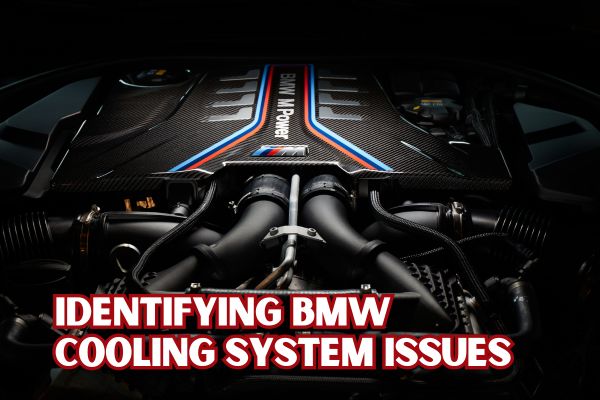
Why the Cooling System Is Crucial for Your BMW
Before we dive into the specific problems, let’s first understand the cooling system’s role in your BMW. The cooling system is responsible for maintaining the engine’s operating temperature. Without a properly functioning system, your engine could overheat, causing severe damage.
Key Components of the Cooling System:
- Radiator: Dissipates heat from the coolant, helping to cool the engine.
- Water Pump: Circulates coolant through the engine and radiator.
- Thermostat: Regulates the flow of coolant depending on the engine’s temperature.
- Coolant Reservoir: Holds coolant and maintains optimal fluid levels.
- Cooling Fans: Help cool the radiator, especially at low speeds or when the car is idling.
Regular cooling system maintenance is essential to avoid engine issues that could lead to expensive repairs. Understanding how your cooling system works will allow you to spot potential problems before they escalate.
Signs That Your BMW’s Cooling System Needs Attention
Recognizing early signs of cooling system trouble can save you from expensive repairs and prevent your BMW from experiencing more severe engine damage. Here are the most common symptoms that indicate your cooling system may be malfunctioning.
Common Cooling System Warning Signs:
- Engine Overheating: This is one of the most obvious signs. If your temperature gauge starts to rise above normal or reaches the red zone, it’s time to address the issue immediately.
- Coolant Leaks: You might notice coolant puddles under your car or a sweet-smelling odor near the engine. These are signs that coolant is leaking, often from hoses, the radiator, or the water pump.
- Fluctuating Temperature Gauge: If the temperature gauge moves up and down unpredictably, it could mean the thermostat isn’t working correctly.
- Unusual Noises: A high-pitched whistling or gurgling sound often indicates air trapped in the system, disrupting the coolant flow.
- Lack of warm air from the heater may indicate insufficient coolant or an obstruction within the heater core, an element of the cooling system.
Real-Life Example:
A BMW 330i owner experienced frequent overheating issues, especially during long drives. After conducting car diagnostics, it was discovered that the water pump had failed. Once replaced, the engine’s cooling system functioned properly again, effectively preventing further overheating.
Common BMW Cooling System Problems
BMWs are high-performance vehicles, and like any other car, their cooling systems can develop problems over time. Here are some of the most frequent cooling system issues faced by BMW owners.
1. Coolant Leaks
Coolant leaks are one of the most common issues BMW owners face. Over time, parts like hoses, the radiator, or the water pump can develop leaks.
Symptoms of Coolant Leaks:
- Coolant puddles under the car.
- Sweet-smelling odor from the engine area.
- Persistent overheating despite topping up coolant.
Solution:
If you notice coolant leaks, it’s crucial to address them quickly. Car repair experts can perform a pressure test to pinpoint the source of the leak. Once the leak is identified, replacing the faulty parts will restore the cooling system’s functionality.
2. Water Pump Failure
A functional water pump ensures coolant flows effectively throughout the engine. If the water pump malfunctions, this circulation is disrupted, which can cause the engine to overheat.
Symptoms of a Faulty Water Pump:
- Overheating engine.
- Grinding or whining noise coming from the engine area.
- Frequent loss of coolant with no visible leaks.
Solution:
Replacing the water pump can resolve this issue. It’s a repair that should be taken seriously, as running an engine without a working water pump can cause severe damage.
3. Thermostat Issues
The thermostat controls the coolant flow based on the engine’s temperature. If it fails, it can prevent the coolant from circulating or allow it to circulate too much.
Symptoms of Thermostat Problems:
- Unstable engine temperature (rising too high or staying too low).
- Engine overheating quickly after starting.
- Coolant temperature gauge reading unusually low.
Solution:
A faulty thermostat needs to be replaced promptly to restore proper engine temperature control. This is an affordable fix that can prevent long-term engine damage.
4. Radiator Problems
Radiators are essential for dissipating the heat from the coolant, and they can become clogged or damaged over time.
Symptoms of Radiator Issues:
- Engine overheating despite proper coolant levels.
- Coolant leaks near the radiator.
- Reduced air circulation due to a blocked radiator grill.
Solution:
If the radiator is clogged, it may need to be flushed. If it’s damaged, a complete replacement might be necessary. Regular inspections can help catch these issues early.
How to Maintain Your BMW’s Cooling System
Preventing cooling system issues in the first place is always the best strategy. Here are some tips on how to keep your BMW’s cooling system functioning optimally.
1. Flush the Coolant Regularly
BMW recommends flushing the coolant every 30,000 to 60,000 miles. Regular flushing removes contaminants and prevents clogs, ensuring that the coolant works efficiently.
2. Check the Hoses and Seals
Over time, hoses and seals can crack, especially in older vehicles. Regularly inspect the hoses for signs of wear, and replace them before they develop leaks.
3. Monitor Your Engine Temperature
Keep an eye on the temperature gauge. If you notice any abnormal fluctuations or overheating, it’s important to have your cooling system inspected right away.
4. Ensure the Cooling Fans Are Functioning
Cooling fans help regulate the radiator’s temperature, especially when the vehicle is not moving at high speeds. If you notice any issues with the fans, such as strange noises or malfunctioning components, get them checked out by car repair experts.
5. Use the Right Coolant
BMWs are designed to use a specific type of coolant. Using the wrong coolant can affect your car’s cooling efficiency, so always use the coolant recommended by the manufacturer.
Keep Your BMW Running at Its Best
The cooling system is an essential component of your BMW’s engine, and without it, your engine could overheat, resulting in severe damage. Understanding the common cooling system problems and recognizing the symptoms early can save you from costly repairs.
Regular cooling system maintenance and timely repairs are key to extending the lifespan of your BMW and ensuring it continues to perform at its best. If you notice any warning signs, don’t hesitate to seek help from car services to get your vehicle back in top shape.
Frequently Asked Questions (FAQs)
1. How often should I check the coolant levels in my BMW?
You should check the coolant levels every 1,000 to 2,000 miles or when you notice any unusual temperature fluctuations. Low coolant levels could indicate a leak.
2. What causes a BMW engine to overheat?
Engine overheating can be caused by a variety of factors, including a faulty thermostat, water pump failure, coolant leaks, or a clogged radiator.
3. How do I know if my thermostat is bad?
If your engine temperature fluctuates, overheats, or remains too low, it could be a sign of a malfunctioning thermostat.
4. Can I drive my BMW with a coolant leak?
It’s not recommended to drive with a coolant leak, as it can lead to engine overheating and severe damage. Get the leak repaired as soon as possible.
5. What’s the cost of replacing a water pump in a BMW?
The cost of replacing a water pump can vary depending on the model, but it generally ranges from $300 to $1,000, including labor.
Related article: