
Struggling for power on the way up Big Cottonwood Canyon, dealing with sluggish response in Orem traffic, or noticing new exhaust noises after winter driving in Salt Lake City are all clues connected to the science behind exhaust flow. These experiences are incredibly common for Utah drivers who face steep climbs, busy highways, and harsh weather.
For anyone driving through Sandy, Hyde Park, Clearfield, or Santa Clara, smooth exhaust flow makes a noticeable difference in performance, emissions, and everyday drivability. Understanding the science behind exhaust flow helps you stay ahead of issues before they become costly repairs.
What Does “Exhaust Flow” Actually Mean?
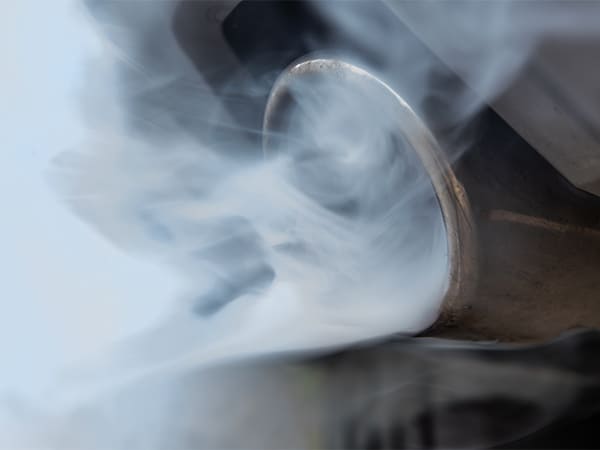
Your engine is basically an air pump. It pulls air in, mixes it with fuel, burns it, and then has to push the burnt gases out through the exhaust system. Exhaust flow is simply how easily those gases can leave the engine and travel through:
- Exhaust manifold or headers
- Catalytic converter(s)
- Resonator(s)
- Muffler(s)
- Tailpipe
When that flow is smooth, your engine “breathes” easily. When it’s restricted (too much backpressure), the pistons have to work harder just to shove exhaust out, which wastes power and fuel. Studies show that increased exhaust backpressure can raise fuel consumption, emissions, and reduce engine performance.
That’s the science behind exhaust flow in one sentence: the less your engine has to fight its own exhaust, the better it runs.
How Utah’s Roads and Weather Impact Exhaust Flow
Here’s how Utah driving makes exhaust flow even more important:
- Canyon climbs & steep grades
- Driving Big Cottonwood Canyon, Sardine Canyon near Logan, or the grades around Spanish Fork puts engines under load for long stretches. Any restriction in the exhaust shows up as lost power and higher temps.
- Driving Big Cottonwood Canyon, Sardine Canyon near Logan, or the grades around Spanish Fork puts engines under load for long stretches. Any restriction in the exhaust shows up as lost power and higher temps.
- Cold winters + road salt
- In northern Utah (Salt Lake City, Clearfield, Hyde Park), road salt and moisture can corrode pipes, mufflers, and flanges. Rust holes and collapsed internals change the way exhaust flows, often increasing turbulence and restriction.
- In northern Utah (Salt Lake City, Clearfield, Hyde Park), road salt and moisture can corrode pipes, mufflers, and flanges. Rust holes and collapsed internals change the way exhaust flows, often increasing turbulence and restriction.
- Summer heat in the valleys
- In places like Sandy, Orem, and Santa Clara, hot air and stop-and-go traffic raise under-hood temperatures. Poor exhaust flow can contribute to overheating and premature wear.
- In places like Sandy, Orem, and Santa Clara, hot air and stop-and-go traffic raise under-hood temperatures. Poor exhaust flow can contribute to overheating and premature wear.
- Emissions testing in key counties
- Utah requires emissions inspections in Salt Lake, Davis, Weber, Utah, and Cache counties, usually every one to two years depending on model year.
- If exhaust flow is poor, your emissions numbers often go up—making it harder to pass.
So if you commute along I-15, US-89, or climb the canyons regularly, the science behind exhaust flow is directly tied to how your vehicle feels on those exact roads.
The Science Behind Exhaust Flow: How It Works Step-by-Step
Let’s walk through what’s happening from cylinder to tailpipe.
1. Combustion and the Exhaust Stroke
When the air-fuel mixture burns, pressure pushes the piston down (power stroke). Then:
- Exhaust valve opens
- Piston moves up (exhaust stroke)
- Spent gases are pushed into the exhaust manifold
If the manifold and exhaust system are restrictive, the piston has to do extra work. That’s energy that could have pushed your car up a hill—now wasted fighting backpressure.
2. Laminar vs. Turbulent Flow
Inside the pipes, exhaust gas behaves a lot like water in a hose:
- Smooth (laminar) flow = gas moves in neat layers, less resistance
- Turbulent flow = swirling, crashing flow, more resistance
Sharp bends, crushed pipes, and sudden diameter changes create turbulence and hurt the science behind exhaust flow by slowing gases and raising backpressure.
3. Pipe Diameter and “Too Big” vs “Too Small”
There’s a sweet spot:
- Too small:
- High backpressure
- Engine feels choked at higher RPM
- Too big:
- Exhaust velocity drops
- Poor scavenging (fresh air-fuel mix doesn’t get pulled into the cylinder as efficiently)
- Sluggish low-end torque, especially noticeable in city driving around Salt Lake, Clearfield, or Orem
Many performance and research sources point out that excessive backpressure is always bad, but proper pipe sizing and gas velocity are key to good torque and response.
4. Catalytic Converters and Emissions Control
Catalytic converters chemically “clean up” exhaust gases before they reach the air. Over time they can:
- Melt internally from overheating
- Plug up from contamination (oil burning, coolant leaks, misfires)
- Break apart and create loose pieces that block flow
Several engineering studies show that higher exhaust backpressure can raise fuel consumption and emissions, partly because of this extra restriction.
That’s why the science behind exhaust flow isn’t just about performance—it’s also about meeting Utah emissions standards and keeping your check-engine light off.
Real-World Benefits: Why Drivers in Utah Should Care
Here’s what good exhaust flow actually does for you:
Better power and acceleration
- Smoother flow = less wasted energy during the exhaust stroke
- You feel this when merging onto I-15 or pulling a trailer up a grade
Improved fuel efficiency
- Engines with lower backpressure burn fuel more effectively
- Research consistently shows fuel consumption rises as backpressure goes up
Lower engine temperatures
- Poor exhaust flow traps more heat in the engine
- Better flow helps keep temps in check, especially during long canyon climbs in summer
Cleaner emissions & easier test passes
- Efficient combustion + properly working cats usually mean lower emissions
- That can be the difference between passing and failing in Salt Lake, Utah, Weber, Davis, or Cache counties.
Less long-term damage
- Persistent backpressure issues can contribute to burnt valves, worn piston rings, and damaged catalysts over time
A Local Example: Sluggish SUV in Salt Lake City
Picture this:
A family SUV running from Sandy to Salt Lake City and up to Snowbird starts losing power on hills, burning more fuel, and making a light hiss with a rattle underneath.
A shop checks it and finds:
- Rusted exhaust from winter roads
- A partially melted catalytic converter blocking flow
- A crimped pipe from a parking-lot scrape
After replacing the cat, fixing the crushed pipe, and restoring proper routing, the science behind exhaust flow works again:
- Power returns
- Fuel economy improves
- Emissions readings drop back to normal
Simple fixes, big difference for everyday Utah driving.
What a Good Exhaust Check Usually Includes
When an experienced technician looks at the science behind exhaust flow on your vehicle, they’ll usually:
- Inspect the entire exhaust path
- Check for rust, leaks, crushed sections, and poor welds
- Check for rust, leaks, crushed sections, and poor welds
- Check pipe diameter and routing
- Make sure it’s appropriate for your engine and use (commuter vs. towing vs. performance)
- Make sure it’s appropriate for your engine and use (commuter vs. towing vs. performance)
- Read engine data
- Look at fuel trims, O2 sensor readings, and backpressure indicators
- Look at fuel trims, O2 sensor readings, and backpressure indicators
- Listen for flow problems
- Whistling, hissing, droning, or rattling often point to internal restrictions or leaks
- Whistling, hissing, droning, or rattling often point to internal restrictions or leaks
- Verify emissions performance (where applicable)
- Compare readings with what’s expected for your vehicle and Utah standards
Technicians with ASE certifications or similar training are taught how exhaust design interacts with engine control systems, combustion, and emissions hardware, not just how to bolt on parts.
Stay Ahead with Smart Exhaust Flow Care
Understanding the science behind exhaust flow helps Utah drivers catch power loss, rising fuel use, and emissions issues early.
Steve’s Automotive Specialist provides exhaust checks, catalytic converter diagnostics, and emissions-related repairs across Salt Lake City, Clearfield, Sandy, Orem, Hyde Park, and Santa Clara.
For a smoother, cleaner drive, schedule an inspection or request a quick quote—and explore our related posts for more local car care tips.
Frequently Asked Questions
What are the most common signs of bad exhaust flow I’ll notice while driving?
Reduced power, sluggish acceleration, poor hill climbing, worse fuel economy, or new exhaust noises like hissing or rattling.
Can poor exhaust flow cause my check-engine light to come on?
Yes. Leaks or restrictions can affect O2 sensors and catalytic converter performance, triggering related check-engine codes.
Is a louder exhaust always better for performance?
No. Loud doesn’t mean efficient—poorly designed systems can increase backpressure and hurt power.
How often should I have my exhaust system inspected in Utah?
Once a year is smart, especially with winter salt. Get it checked sooner if you notice new noises, smells, or power loss.
Will upgrading my exhaust always improve my gas mileage?
It can help if your current system is clogged or damaged, but oversized or poorly designed upgrades may reduce mileage.