
Nothing gets your attention faster than your engine feeling winded halfway up Parley’s Canyon. Utah’s steep climbs, thin air, and icy winter mornings have a way of exposing even small performance issues. That’s usually when drivers start asking about the differences between single and dual exhausts and whether their setup is helping—or holding them back.
From navigating downtown Salt Lake traffic to hauling gear through Logan Canyon, your exhaust system plays a bigger role than most people think. Knowing how each type works can make choosing the right setup much easier for Utah’s unique roads and weather conditions.
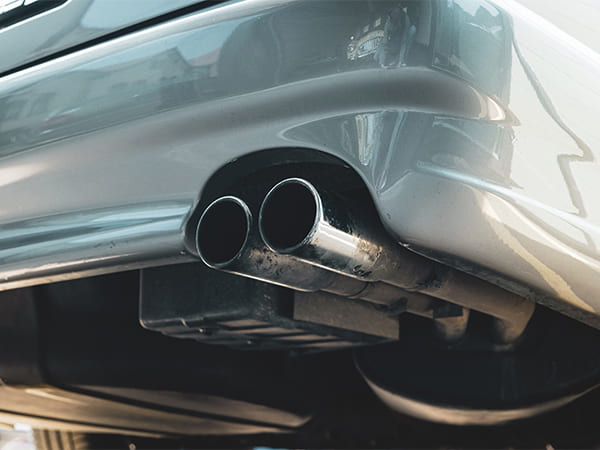
What Exactly Is an Exhaust System? (And Why You Should Care)
Your exhaust system’s job is pretty straightforward:
- Carry burned gases away from your engine
- Reduce harmful emissions
- Improve overall engine efficiency
- Control the sound coming from your vehicle
Where the differences between single and dual exhausts really show up is in how efficiently those gases move. Think of it like traffic patterns on I-15: one lane works fine for light flow, but two lanes can clear congestion faster when things get busy.
- Single Exhaust: One pipe handles all the exhaust flow.
- Dual Exhaust: Two pipes split the work and move gases out more quickly.
Both designs get the job done. But depending on the engine size, how you drive, and, yes, where you drive, one system might be a better match.
Why Exhaust Setup Matters More in Utah
Utah is beautiful—but it’s not easy on vehicles.
Here’s why the differences between single and dual exhausts are more noticeable here than in many other states:
High Elevation
Engines make less power the higher you go because the air is thinner. From the benches of Sandy to the heights of Park City, you’re dealing with lower oxygen.
This makes proper airflow in and out of your engine even more important.
Winter Road Salt
Salt and magnesium chloride are brutal on metal components. Exhaust systems—especially welded hangers and flanges—take a beating every winter.
Steep Grades Everywhere
From Provo Canyon to Sardine Canyon, you’re constantly climbing hills that put pressure on your engine. Better exhaust flow helps reduce strain.
Mixed Driving Conditions
You might sit in stop-and-go traffic in Salt Lake City in the morning and drive long rural stretches in Cache Valley by evening. Different driving styles impact exhaust temperatures and lifespan.
Because of all these factors, Utah drivers tend to notice performance changes faster than those in flatter, lower-elevation areas.
Breaking Down Single vs. Dual Exhaust (Simple, No Jargon)
Single Exhaust: The Utah Daily Driver Favorite
Most cars, crossovers, and light SUVs on Utah roads use a single exhaust system.
Here’s how it works:
- Exhaust gases leave the engine through one manifold
- They pass through the catalytic converter
- They travel through a muffler
- They exit through one tailpipe
Why people like it:
- Lower cost
- Fewer parts to corrode
- Lighter (which helps MPG)
- Works perfectly for smaller or midsize engines
As a mechanic:
We’ve serviced thousands of single exhaust systems for Utah families, commuters, and rideshare drivers, and for most daily driving needs, this setup is more than enough.
Dual Exhaust: Performance and Efficiency for Bigger Engines
Dual exhaust systems give your engine more space to push out exhaust, helping it “breathe” more efficiently—especially under load.
Here’s the basic flow:
- Engine produces exhaust
- Two independent manifolds send gases into two pipes
- Each pipe has its own catalytic converter and muffler
- Exhaust exits through two tailpipes
Why people upgrade:
- Stronger hill-climbing power
- Better towing performance
- Slightly better MPG on larger engines
- A deeper, more refined sound
Mechanic’s insider tip:
If you’ve got a truck or a heavy SUV and you frequently drive through Utah’s canyons, dual exhaust almost always feels better—especially with trailers or big loads.
Pros & Cons: A Friendly Side-by-Side Comparison
Single Exhaust Advantages
- Affordable maintenance
- Fewer corrosion points in winter
- Great for compact cars and midsize sedans
- Usually more fuel-efficient on smaller engines
Single Exhaust Drawbacks
- Less performance at high elevation
- Can feel sluggish when towing
Dual Exhaust Advantages
- Better power on Utah’s steep grades
- Noticeably smoother acceleration
- Ideal for trucks, SUVs, and V6/V8 engines
- Potential MPG improvement at elevation
Dual Exhaust Drawbacks
- More expensive
- More components exposed to salt
- Needs more upkeep
Utah Driver Results: Single vs. Dual Exhaust Performance
A Clearfield customer came in last winter with a half-ton pickup that felt like it was working way too hard pulling a snowmobile trailer through Weber Canyon. The truck wasn’t damaged—it was simply struggling for airflow at higher elevation.
After discussing the differences between single and dual exhausts, we switched him to a true dual setup with corrosion-resistant components. He came back two weeks later saying:
“It feels like the truck finally wakes up on hills now.”
That’s exactly what dual exhaust is supposed to do on bigger engines—especially in Utah’s terrain.
Engineering Data on Dual Exhaust Benefits in Utah
Organizations like the SAE (Society of Automotive Engineers) and the EPA have long emphasized how important exhaust flow is for engine efficiency. Their research shows:
- Better airflow improves combustion
- Improved combustion boosts horsepower
- Optimized exhaust systems reduce engine strain
- High-elevation engines benefit more from improved flow
So when people say, “Dual exhaust is just for looks,” that’s only partly true—and often misleading. Yes, it can look sporty—but the performance improvements are backed by decades of engineering data.
How to Decide Which Exhaust Is Right for Your Vehicle
Here are some quick questions to help you choose.
Do you tow?
If yes, dual is usually worth it.
Do you drive through canyons often?
Dual helps your engine breathe better uphill.
Do you own a smaller sedan or compact crossover?
Stick with singles—it’s perfect for your setup.
Is budget a big factor?
Single exhaust is more affordable and easier to maintain.
Do you prefer a deeper exhaust tone?
Dual gives you that refined rumble without being obnoxious.
If you’re still unsure, a quick inspection can reveal what your current system needs and what upgrade—if any—makes sense.
Choosing the Best Exhaust for Utah Roads
Understanding the differences between single and dual exhausts helps you make a confident decision—especially with Utah’s elevation, winter corrosion, and steep canyon grades. The right setup can improve power, fuel economy, and long-term engine health.
Steve’s Automotive Specialist provides full exhaust diagnostics, corrosion checks, catalytic converter assessments, performance exhaust upgrades, muffler replacements, and full-system inspections. If you’re weighing your options, we’re happy to walk you through the pros and cons based on your vehicle and driving habits across Salt Lake City, Sandy, Clearfield, Orem, and Hyde Park.
If you’d like a quick check or some guidance, you’re welcome to schedule a visit or request an estimate anytime. And if you want more Utah-focused car care tips, be sure to explore our related posts.
Frequently Asked Questions
What’s the easiest way to tell if my exhaust is leaking?
Listen for new rattling or hissing noises, especially during cold starts. A strong exhaust smell inside the vehicle is also a warning sign.
Does dual exhaust help with towing up Utah canyons?
Yes—large engines benefit from improved airflow, especially when climbing grades like Provo Canyon or Sardine Canyon.
Will dual exhaust make my car too loud?
Not if installed correctly. Modern mufflers can keep sound refined while still giving you a deeper tone.
How often should I have my exhaust inspected in Utah?
At least once a year—winter salt and temperature swings can accelerate rust.
Can a single exhaust system be upgraded without going full dual?
Absolutely. High-flow mufflers, better piping, or upgraded catalytic converters can improve performance without changing the whole system.