
Ford battery replacement problems often stem from charging system faults, electrical draw, improper installation, or climate-related stress. Utah’s climate shifts and common driving routines can cause batteries to deteriorate sooner than expected. Spotting early signs and addressing the source of the problem can help prevent electrical disruptions and roadside breakdowns.
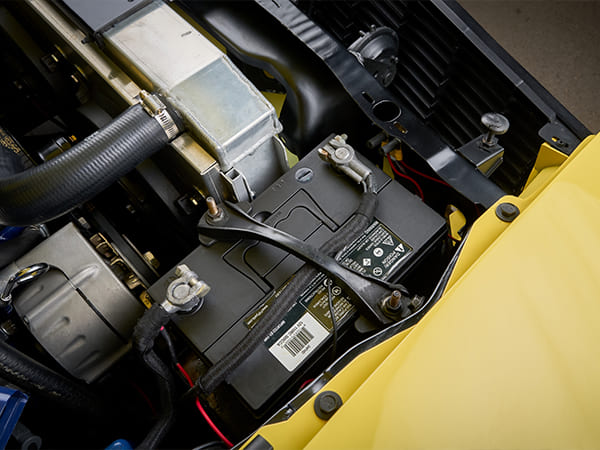
Why Ford Battery Replacement Issues Matter
Battery failures are one of the most common reasons drivers experience sudden vehicle breakdowns. Replacing a battery in a Ford is usually simple, but hidden electrical or charging system problems can create bigger concerns if they are not identified early.
Modern Ford vehicles rely heavily on electronics. From engine control modules to safety features and infotainment systems, a stable power supply is critical. When a battery begins to fail or is replaced incorrectly, it can trigger a cascade of electrical problems that extend beyond simple starting issues.
Because Utah experiences major seasonal temperature shifts and diverse driving conditions, batteries tend to wear out faster and require careful evaluation.
How Ford Vehicle Battery Systems Work
Ford battery systems do more than simply start the engine. They support vehicle electronics, maintain computer memory, and work alongside the alternator to regulate electrical output.
Battery Role in Modern Ford Vehicles
In most Ford models, the battery:
- Supplies initial power to start the engine
- Stabilizes voltage for onboard computers
- Supports electrical accessories when the engine is off
- Works with the charging system to maintain consistent power
Some newer Ford vehicles also include battery monitoring systems that track voltage, temperature, and charging cycles. These systems may require recalibration after battery replacement to function properly.
Charging System Interaction
The alternator replenishes battery power while the engine runs. If the alternator or voltage regulator malfunctions, the battery may either undercharge or overcharge, both of which can shorten battery lifespan.
Ford Battery Replacement Issues
Improper Battery Registration or Reset Procedures
Many newer Ford vehicles require battery monitoring system resets after replacement. Skipping this step can cause:
- Incorrect charging levels
- Warning messages on the dashboard
- Reduced battery lifespan
- Performance inconsistencies
Without updated battery details, these systems may not manage charging levels correctly.
Parasitic Electrical Drain
Parasitic drain occurs when electrical components continue drawing power after the vehicle is turned off. In Ford vehicles, this may involve:
- Faulty modules
- Malfunctioning interior electronics
- Software glitches
- Aftermarket accessories
Many drivers end up installing new batteries multiple times without recognizing that a hidden electrical drain is causing the problem.
Incorrect Battery Specifications
Using the wrong battery type or capacity can create charging mismatches. Ford vehicles are engineered to work with specific battery ratings. Installing a battery that lacks sufficient cold cranking amps or reserve capacity can result in:
- Hard starts
- Electrical instability
- Premature battery failure
Installation-Related Problems
Replacing a battery might appear straightforward, but incorrect installation can lead to ongoing problems such as:
- Loose terminals
- Corrosion buildup
- Damaged battery sensors
- Improper mounting leading to vibration damage
These mistakes can cause symptoms that are often mistaken for significant electrical malfunctions.
What Symptoms Do Drivers Usually Notice?
Battery-related issues often develop gradually. Drivers commonly report symptoms that appear unrelated at first.
Early Warning Signs
- Slow engine cranking
- Dimming headlights or interior lights
- Electronic features resetting or malfunctioning
- Dashboard battery or charging warnings
Advanced Failure Indicators
- Vehicle fails to start
- Random warning lights across multiple systems
- Intermittent power loss to accessories
- Repeated need for jump starts
In many cases, symptoms suggest battery failure when the root cause is a charging or electrical system problem.
Why Utah Driving Conditions Affect Ford Batteries
Utah presents unique environmental and driving challenges that influence battery health.
Temperature Extremes
Cold winter temperatures put extra demand on batteries by making engine oil thicker and lowering battery efficiency. During the summer, high heat speeds up internal chemical wear, which can shorten battery life.
Utah’s frequent temperature swings also cause expansion and contraction that can strain battery parts and connections.
Driving Pattern Factors
Short-trip driving, common in urban and suburban areas, prevents batteries from fully recharging. Over time, this leads to chronic undercharging and reduced battery performance.
Higher elevation regions can also place additional load on vehicle systems, especially during colder months.
Preventive Best Practices for Ford Battery Longevity
Battery life varies, but preventive steps help reduce premature failure.
Routine Electrical System Testing
Regular testing can identify:
- Alternator output problems
- Parasitic draw issues
- Voltage irregularities
- Sensor malfunctions
Proper testing during battery replacement helps confirm that the new battery is operating as it should.
Terminal and Connection Maintenance
Corrosion or loose connections reduce charging efficiency and increase resistance. Routine inspection helps prevent voltage loss and heat buildup.
Monitoring Driving Habits
Vehicles used for frequent short-distance driving may benefit from periodic longer trips that allow the battery to recharge more completely.
Risks of Ignoring Ford Battery Problems
Ignoring battery or charging system concerns can lead to more serious consequences than a simple no-start condition.
Increased Electrical System Damage
Voltage irregularities can damage:
- Engine control modules
- Transmission control systems
- Safety sensors
- Infotainment units
Repairing electrical modules is often far more involved than simply replacing a battery.
Unexpected Downtime
Battery failures often occur without warning, especially when underlying electrical issues remain unresolved.
Safety Concerns
Modern safety systems rely on stable voltage. Battery or charging failures can interfere with driver assistance features and electronic braking support.
Real-World Patterns Seen in Ford Battery Failures
During everyday vehicle inspections, recurring battery failures often reveal hidden electrical draw or charging irregularities. Models with advanced technology systems or additional aftermarket components tend to face these challenges more often.
Drivers sometimes focus only on replacing the battery itself rather than evaluating the system as a whole, which can lead to recurring failures.
Professional Ford Battery System Inspection
If battery problems or electrical warning signs keep returning, Steve’s Automotive Specialist can help determine whether the concern is tied to the battery, charging system, or another electrical component through thorough diagnostics.
For drivers seeking confirmation about battery or electrical system performance, you may contact us for a detailed inspection and expert insight.
Frequently Asked Questions
How often do Ford batteries typically need replacement?
A Ford battery commonly provides several years of dependable service, yet its actual lifespan depends on how the vehicle is driven and the environment it operates in.
Can a faulty alternator damage a newly installed battery?
Yes. A failing alternator can overcharge or undercharge a battery, causing premature failure even if the battery is brand new.
Why does my Ford battery keep dying overnight?
Overnight battery drain often indicates parasitic electrical draw from modules or accessories that remain active after the vehicle is turned off.
Do Ford vehicles require special battery programming?
Some models include battery monitoring systems that require reset or registration procedures after replacement to ensure proper charging control.
Is it safe to drive with a weak battery?
A weak battery increases the risk of sudden failure and may interfere with electronic safety systems. Addressing battery concerns early helps prevent breakdowns.
Extending Ford Battery Performance
Ford battery replacement issues often involve more than worn-out batteries. Battery condition depends on several factors, including charging system efficiency, hidden electrical drain, environmental exposure, and proper installation. The combination of seasonal weather changes and typical driving routines in Utah can wear down batteries faster.
Recognizing early warning signs and understanding root causes helps reduce repeated failures, protects vehicle electronics, and minimizes unexpected downtime. Taking a system-wide approach to battery care supports long-term vehicle reliability and performance.