
Many Utah drivers know the feeling—you’re cruising along I-15 from Orem to Salt Lake City, and for some reason your gas mileage is suddenly worse than it was last week. No warning lights, no strange noises, just a fuel gauge that seems to be dropping a little too quickly.
What most people don’t realize is that issues like this often come back to the oxygen sensor. Once you understand how oxygen sensors improve efficiency in Utah’s constantly changing weather and elevation, those small but annoying fuel-economy changes start to make a lot more sense.
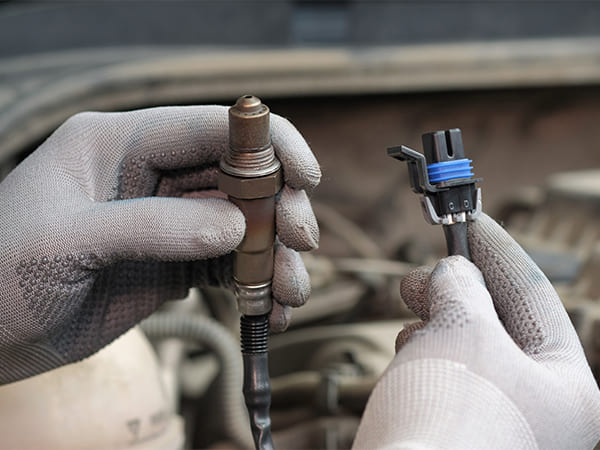
What Is an Oxygen Sensor?
An oxygen sensor—people call it an O2 sensor for short—is a small device in your exhaust. Its whole job is to keep an eye on how much oxygen is in the exhaust coming out of your engine.
Imagine it like your engine’s taste tester. It “samples” what’s coming out and tells your engine’s computer, “Hey, we’re burning too much fuel,” or “Hey, we’re not burning enough.”
When everything is in balance, your car runs smoothly and efficiently. When it’s not, things get thrown off pretty quickly. So when people ask how oxygen sensors improve efficiency, it basically comes down to this: your car needs the right mix of air and fuel, and the oxygen sensor is the part making sure that mix stays on track.
Why Utah Conditions Affect How Oxygen Sensors Improve Efficiency
This is where it gets interesting—because Utah isn’t exactly easy on vehicles.
Here’s what your engine deals with around here:
- Elevation changes — You might start in Salt Lake Valley and end up in the benches or canyons with way thinner air.
- Cold mornings — Anyone in Hyde Park knows what I mean. Your engine feels those cold starts, too.
- Serious heat — down in Santa Clara, your car is basically cooking all summer long.
- Canyon roads — Parleys, Big Cottonwood, Sardine… your engine constantly adjusts on these climbs.
That’s why Utah drivers feel the impact of failing oxygen sensors a little faster than folks in mild climates. The more your environment changes, the harder your O2 sensors have to work. And if one of them starts getting tired, your fuel efficiency tanks.
So when we talk about how oxygen sensors improve efficiency, the Utah version of that story is: your engine is working overtime here, and it needs accurate info from those sensors to stay efficient.
How Oxygen Sensors Improve Efficiency in Everyday Driving
Step 1: The Sensor Measures Oxygen in the Exhaust
This is where everything starts. The sensor checks how much oxygen is in the exhaust and instantly creates a small electrical signal based on that reading.
Step 2: The Data Goes to the Engine Computer
The engine computer (the ECM) reads that signal and figures out whether the engine is burning too much fuel or not enough. This back-and-forth happens faster than you can blink.
Step 3: The Engine Adjusts the Fuel Mix
If the ECM sees the mix is off, it immediately tweaks the fuel delivery. These tiny adjustments are what help your engine stay smooth, responsive, and efficient on the road.
Step 4: The Process Repeats Constantly
This isn’t a “once in a while” thing. It happens over and over—whether you’re crawling through Salt Lake City traffic or climbing into Hyde Park on a cold morning. That constant feedback loop is a big part of how oxygen sensors improve efficiency every time you drive.
Step 5: You Feel the Difference When the Sensor Slows Down
When an oxygen sensor gets “lazy,” your engine starts guessing, and that’s when efficiency drops. Drivers often notice sluggish acceleration, rough running, or mileage that suddenly tanks—even though nothing else feels wrong.
Top Benefits of a Healthy Oxygen Sensor
Here’s the good stuff you get when your O2 sensors are working like they should:
- Better mileage on those longer Wasatch Front drives
- Smoother mornings, especially when it’s cold
- Cleaner emissions, which helps with Utah’s inspections
- Quicker response when climbing canyons or merging
- Less stress on expensive parts like your catalytic converter
The U.S. Department of Energy says a bad oxygen sensor can hurt your fuel economy by up to 20%. That’s a lot, especially if you’re commuting from Clearfield to Salt Lake or Sandy to Orem every day.
The EPA and SAE have decades of research saying the same thing: if the O2 sensors aren’t giving your engine good data, your car can’t burn fuel efficiently.
That’s the core of how oxygen sensors improve efficiency—good data equals good fuel usage.
Real Utah Story on How Oxygen Sensors Improve Efficiency
A driver from Sandy came in saying his SUV suddenly felt like it was “drinking gas.” No huge weather changes, no new tires, nothing weird. Just bad mileage out of nowhere.
We ran a quick diagnostic and found one upstream oxygen sensor that was slow. Not dead—just slow.
We replaced it, and here’s what he told us the next day:
- The drive to Orem felt smoother
- His gas gauge wasn’t dropping every time he blinked
- His acceleration didn’t feel like a struggle anymore
That’s a textbook example of how oxygen sensors improve efficiency in everyday Utah driving. Sometimes all it takes is one sensor waking back up to get your car running like normal.
Trusted Research on Oxygen Sensor Efficiency Benefits
Just to put some official weight behind this:
- The EPA says oxygen sensors are essential for proper fuel control and clean combustion.
- The Society of Automotive Engineers (SAE) has published years of research showing that even a slightly slow O2 sensor can throw fuel delivery off.
Modern engines rely heavily on sensor data. If the data is wrong, everything else suffers.
Need Better Efficiency in Utah? Talk With a Local Expert
Now that you know how oxygen sensors improve efficiency, it’s easy to spot when something seems off. Utah’s a beautiful place to drive, but it’s tough on engines. Getting your sensors checked once in a while keeps your fuel usage steady and your car feeling good.
If you’re driving around Salt Lake City, Sandy, Clearfield, Orem, Hyde Park, or Santa Clara and your fuel mileage has dropped—or your car just feels off—getting a quick sensor check can save you a lot of frustration.
Steve’s Automotive Specialist handles oxygen sensor testing, engine-performance checks, emissions diagnostics, tune-ups, and general fuel-system work. If you’d like a professional to take a look, feel free to reach out and schedule a consultation. Check out our related posts for more Utah-focused tips on keeping your vehicle running its best.
Frequently Asked Questions
How do I know if weather changes are affecting my oxygen sensor?
If your mileage drops during a cold snap or a sudden warm-up, your sensor may be having trouble adjusting. Utah’s temperature swings make these issues show up fast.
Can my oxygen sensor fail without lighting up the dashboard?
Yes, it can. Some sensors slow down long before they trigger a check engine light.
Does fuel quality matter for oxygen sensors?
It definitely does. Poor-quality fuel or debris can coat the sensor and wear it out sooner.
How many oxygen sensors does my car even have?
Most cars today have between two and four of them. The exact number depends on your engine and exhaust setup.
Can I clean a failing oxygen sensor?
Cleaning usually doesn’t bring it back to life. Once a sensor gets contaminated or worn out, replacing it is the dependable fix.