
Your car’s air filters work hard to keep your engine running smoothly and your cabin air fresh. Over time, dust, debris, and pollutants clog these filters, reducing efficiency and impacting performance. A dirty engine air filter can lower fuel economy and strain the engine, while a clogged cabin air filter can make the air inside your car stale and unhealthy.
If you’ve noticed reduced acceleration, unpleasant smells inside the car, or weak airflow from the vents, your air filters might be due for a change. The good news? Replacing them is quick, easy, and doesn’t require advanced mechanical skills. Let’s go step by step so you can get the job done right.
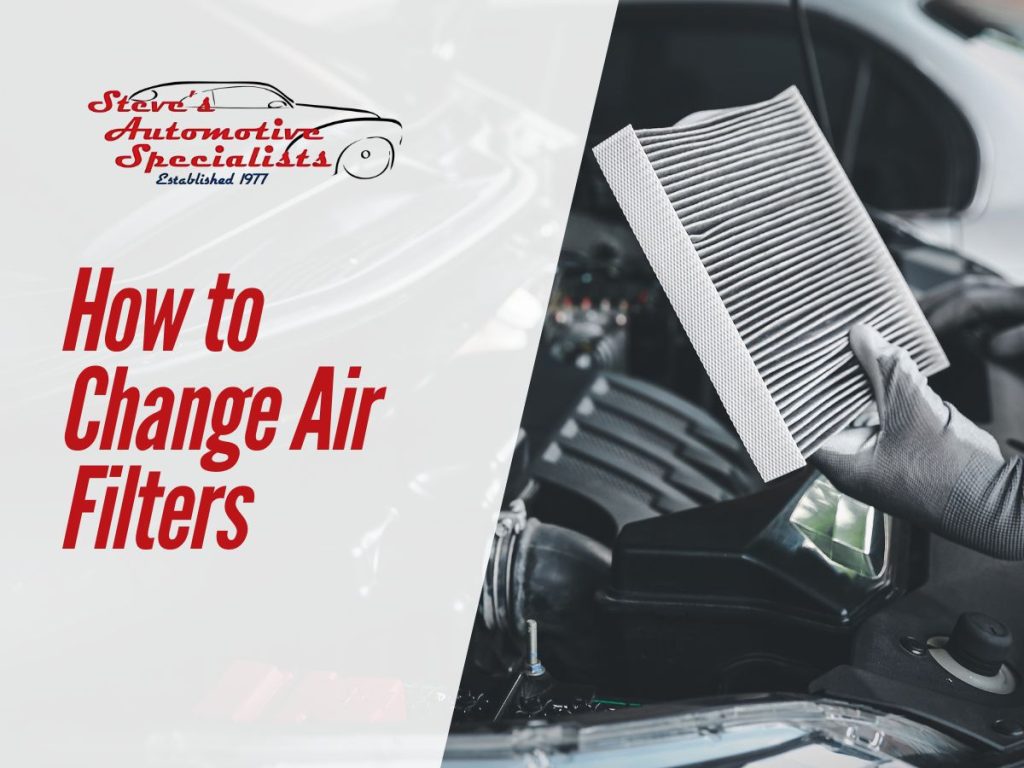
Why Air Filters Matter
The Engine Air Filter: Protecting Performance
The engine air filter keeps dirt, dust, and debris from entering your engine. A clean filter allows proper airflow, helping the engine burn fuel efficiently. When clogged, it forces the engine to work harder, leading to poor gas mileage, sluggish acceleration, and increased emissions.
The Cabin Air Filter: Ensuring Fresh Air
The cabin air filter prevents dust, pollen, and pollutants from entering your vehicle’s HVAC system. A dirty filter reduces airflow through your vents, making it harder for your A/C and heater to work properly. Worse, it can trap odors and allergens, making driving uncomfortable—especially for those with allergies or respiratory issues.
When to Change Your Air Filters
Engine Air Filter Replacement
- Check it every 12,000 to 15,000 miles, or at least once a year.
- If you drive in dusty conditions, check it more often.
- Signs it needs changing:
- Reduced acceleration and sluggish engine performance
- Decreased fuel efficiency
- A visibly dirty or darkened filter
Cabin Air Filter Replacement
- Replace it every 15,000 to 20,000 miles, or whenever airflow feels weak.
- If you drive in high-pollution areas or have allergies, consider replacing it twice a year.
- Signs it needs changing:
- Musty or unpleasant odors inside the car
- Weak airflow from vents
- Increased allergy symptoms while driving
How to Change the Engine Air Filter
Step 1: Gather What You Need
For most cars, no tools are required, but some may need a screwdriver or socket wrench.
Step 2: Find the Engine Air Filter Housing
- Open the hood and locate a rectangular plastic box near the front or side of the engine.
- This is where the air filter sits. Most housings have clips or screws securing them.
Step 3: Remove the Old Air Filter
- Unclip or unscrew the housing cover and lift it open.
- Carefully take out the old filter and inspect it. A dark, dirty filter means it’s time for a replacement.
Step 4: Install the New Air Filter
- Insert the new filter exactly as the old one was positioned.
- Ensure the rubber edges form a good seal so no unfiltered air sneaks in.
Step 5: Secure the Housing and Test
- Close the housing and reattach any clips or screws.
- Start your engine and let it run for a minute to ensure everything sounds normal.
Case Study: The Difference a Clean Engine Air Filter Makes
A driver in Texas noticed a drop in fuel efficiency and sluggish acceleration. After replacing the clogged air filter, they reported a 10% improvement in gas mileage and a smoother ride within minutes.
How to Change the Cabin Air Filter
Step 1: Locate the Cabin Air Filter
- Check your owner’s manual, but most cabin filters are behind the glove compartment or under the dashboard.
- Some vehicles have the filter under the hood, near the windshield.
Step 2: Remove the Old Cabin Air Filter
- Open the glove compartment and remove any clips or screws holding the panel in place.
- Slide out the old filter and inspect it—if it looks dark and clogged, it’s time for a replacement.
Step 3: Insert the New Cabin Air Filter
- Position the new filter with the airflow direction arrows pointing the same way as the old one.
- Make sure it fits snugly in its compartment.
Step 4: Reassemble and Test
- Secure the glove compartment or panel back into place.
- Turn on the A/C and check for improved airflow.
Case Study: A Fresh Start for Allergy Sufferers
A family in California struggled with sneezing and itchy eyes while driving. After changing their cabin air filter, they noticed immediate relief and fresher-smelling air inside the car.
Avoid These Common Air Filter Mistakes
- Forgetting to check regularly – Even if your car runs fine, a dirty filter can still cause long-term damage.
- Installing the filter upside down – Always follow the airflow arrows on the filter.
- Skipping the cabin air filter – Many drivers replace the engine filter but ignore the cabin one, which affects air quality.
- Using the wrong filter – Always check your owner’s manual to get the correct size and type.
Benefits of Keeping Your Air Filters Clean
1. Improved Fuel Efficiency
A clean engine air filter helps your car burn fuel more efficiently, potentially increasing gas mileage by up to 10%.
2. Better Engine Performance
Unrestricted airflow allows the engine to breathe easily, reducing strain and improving throttle response.
3. Healthier Cabin Air
A fresh cabin air filter removes dust, pollen, and pollutants, making the air inside your car cleaner and fresher.
A Simple Fix with Big Benefits
Changing your car’s air filters is one of the easiest ways to maintain performance and air quality. Ensuring your engine air filter is clean improves your car’s efficiency, while a new cabin air filter maintains healthy and fresh air quality inside.
This simple maintenance task can prevent costly repairs, improve fuel economy, and enhance driving comfort. If you’re unsure when your filters were last changed, check them today—it takes just a few minutes and can make a noticeable difference.
FAQs
1. How do I know if my air filter needs to be changed?
Watch for sluggish acceleration, poor fuel efficiency, musty cabin smells, or weak A/C airflow.
2. Is it possible to clean my air filter and use it again, or do I have to replace it?
Some high-performance air filters are reusable, but most standard filters should be replaced when dirty.
3. What happens if I don’t change my air filter?
A clogged engine air filter can lower fuel efficiency and strain your engine, while a dirty cabin filter can reduce airflow and trap allergens.
4. Is changing an air filter a DIY-friendly task?
Yes! Most air filters take just 5–10 minutes to replace and require minimal tools.
5. How much does a new air filter cost?
Engine air filters typically cost $15–$40, while cabin air filters range from $10–$50, depending on your vehicle.