
Why Audi Exhaust System Maintenance Matters
Your Audi’s exhaust system is more than just a pipe that releases gases—it’s a critical component affecting engine performance, fuel efficiency, and emissions control. A well-maintained exhaust system ensures that your vehicle runs smoothly, stays compliant with emissions regulations, and prevents costly repairs down the line.
I’ve seen many Audi owners ignore early warning signs of exhaust issues, only to face expensive repairs later. Issues like leaks, rust, clogged catalytic converters, or damaged sensors can quietly degrade performance before they become serious problems. Regular inspections and maintenance can extend the life of your exhaust system and keep your Audi running at peak performance.
In this guide, I’ll walk you through the most effective maintenance tips for your Audi’s exhaust system, common problems to watch for, and a real-world example of how proper maintenance saved one Audi owner from an expensive repair bill.
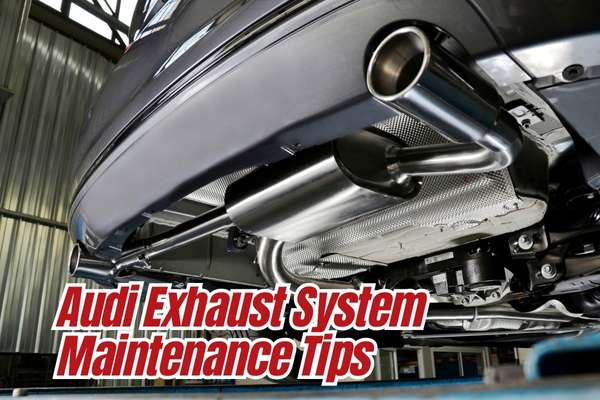
Understanding the Audi Exhaust System
Before diving into maintenance tips, it’s important to understand the key components of an Audi’s exhaust system:
- Exhaust Manifold – Collects gases from the engine cylinders and directs them into the exhaust system.
- Oxygen Sensors – Monitor oxygen levels in the exhaust to help optimize fuel mixture.
- Catalytic Converter – Reduces harmful emissions by converting toxic gases into less harmful ones.
- Resonator and Muffler – Reduce noise and control sound levels from the exhaust.
- Exhaust Pipes – Transport exhaust gases from the engine to the tailpipe.
Each of these components plays a critical role in performance, efficiency, and emissions. Damage or failure in any part of the system can lead to poor fuel economy, excessive noise, or even legal issues due to failed emissions tests.
Top Audi Exhaust System Maintenance Tips
1. Inspect for Leaks and Rust Regularly
Why It Matters: Exhaust leaks can lead to increased engine noise, reduced fuel efficiency, and the release of harmful fumes into the cabin. Rust, especially in colder climates where road salt is common, can weaken the system and lead to structural failures.
How to Check:
- Listen for hissing or tapping noises, which may indicate a leak.
- Look under the car for visible rust or cracks in the exhaust pipes and muffler.
- If you notice a strong exhaust smell inside the cabin, get it inspected immediately, as it could be a carbon monoxide leak.
2. Monitor the Performance of Your Catalytic Converter
Why It Matters: The catalytic converter helps reduce harmful emissions. A clogged or failing converter can trigger the check engine light, decrease fuel efficiency, and cause performance issues.
Signs of a Failing Catalytic Converter:
- Rotten egg smell (sulfur odor).
- Poor acceleration or sluggish engine response.
- Check engine light with codes P0420 or P0430 (Catalyst System Efficiency Below Threshold).
Maintenance Tip:
- If you suspect an issue, have the converter checked before it gets clogged, as replacements are expensive.
3. Pay Attention to Your Oxygen Sensors
Why It Matters: Oxygen sensors play a vital role in fuel efficiency by helping your Audi’s computer optimize the air-to-fuel ratio. A faulty sensor can cause:
- Poor fuel economy.
- Rough idling and hesitation.
- Increased emissions and failed smog tests.
Maintenance Tip:
- Replace oxygen sensors every 60,000 to 90,000 miles or when you notice reduced gas mileage.
4. Keep the Exhaust Mounts and Hangers in Good Shape
Why It Matters: Exhaust components are held in place by rubber hangers and mounts. Over time, these can weaken, causing the exhaust system to sag or vibrate. If ignored, this can lead to cracks in the pipes or damage to other components.
How to Check:
- Look under your Audi for any loose or broken hangers.
- If you hear rattling noises while driving, it could indicate a loose exhaust mount.
Maintenance Tip:
- If any mounts appear damaged, have them replaced before they cause further stress on the exhaust system.
5. Drive Smarter to Extend Exhaust System Life
Why It Matters: How you drive can directly impact the longevity of your Audi’s exhaust system. Frequent short trips prevent the system from heating up enough to burn off moisture, leading to premature rusting.
Best Practices:
- Take your car on longer drives occasionally to allow the exhaust system to heat up and burn off excess moisture.
- Avoid aggressive acceleration, which can strain the catalytic converter and muffler.
Case Study: How Routine Exhaust Maintenance Saved an Audi Owner Thousands
A customer with a 2016 Audi A6 came in complaining about reduced power and a loud exhaust noise. They had been ignoring a check engine light for months, assuming it was a minor issue.
Diagnosis:
- A quick scan revealed oxygen sensor failure and a clogged catalytic converter.
- The cause? The faulty oxygen sensor had been feeding incorrect fuel mixture data, leading to excessive carbon buildup in the catalytic converter.
Solution:
- The oxygen sensor was replaced, and the catalytic converter was cleaned using a professional decarbonization process.
- Had the issue been addressed earlier, only a $150 sensor replacement would have been needed. Because the catalytic converter was at risk of failing, the total repair cost was nearly $1,500.
Lesson:
Ignoring exhaust system warning signs can turn a small, inexpensive repair into a costly replacement.
When to Get Professional Help for Exhaust System Issues
While some exhaust maintenance tasks—such as visual inspections and mindful driving habits—can be handled by owners, others require professional tools and expertise.
Seek professional diagnostics if:
- You hear a persistent rattling or hissing noise.
- Your Audi fails an emissions test.
- You experience poor fuel economy despite routine maintenance.
- The check engine light is on with P0420 or P0430 codes.
- You notice a strong exhaust smell inside the car.
Addressing exhaust issues early can prevent costly replacements and keep your Audi performing at its best.
Keep Your Audi’s Exhaust System in Peak Condition
Your Audi’s exhaust system plays a crucial role in performance, fuel efficiency, and emissions control. Routine maintenance, such as checking for leaks, monitoring oxygen sensors, and keeping components rust-free, can extend the life of your exhaust system and prevent expensive repairs.
By following these maintenance tips and staying proactive, you can keep your Audi running smoothly, efficiently, and safely for years to come. If you notice any warning signs, don’t ignore them—early intervention can save you thousands in repairs.
FAQs
1. How often should I inspect my Audi’s exhaust system?
You should visually inspect your exhaust system every six months and listen for unusual noises that may indicate leaks or damage.
2. What causes an Audi’s exhaust to smell like rotten eggs?
A failing catalytic converter or contaminated fuel can produce a strong sulfur (rotten egg) smell. Have it inspected immediately.
3. Can driving with a damaged exhaust system harm my engine?
Yes, a leaking or clogged exhaust system can affect engine performance, fuel efficiency, and emissions. Ignoring it can lead to costly engine damage.
4. Why does my Audi’s exhaust make a rattling noise?
A loose heat shield, broken exhaust hanger, or failing catalytic converter can cause rattling sounds. Have it checked before further damage occurs.
5. How can I prevent rust in my Audi’s exhaust system?
- Wash your undercarriage regularly, especially in winter climates where road salt is used.
- Take occasional long drives to prevent moisture buildup inside the exhaust