
Audi’s turbocharged engines deliver an incredible balance of power and efficiency. Whether it’s the legendary 2.0 TFSI or the high-performance twin-turbo V6, these engines are engineered to provide exhilarating performance. However, turbo engines require more care than naturally aspirated ones. If neglected, they can suffer from carbon buildup, turbo failure, and costly repairs.
I’ve worked on enough Audi turbo engines to know that proper maintenance makes all the difference. Many issues drivers face—loss of power, excessive oil consumption, or sluggish acceleration—often trace back to overlooked maintenance. The good news is that with the right care, you can keep your turbocharged Audi running at peak performance for years to come.
This guide covers essential maintenance tips, real-world examples, and common mistakes to avoid so you can extend the life of your Audi turbo engine.
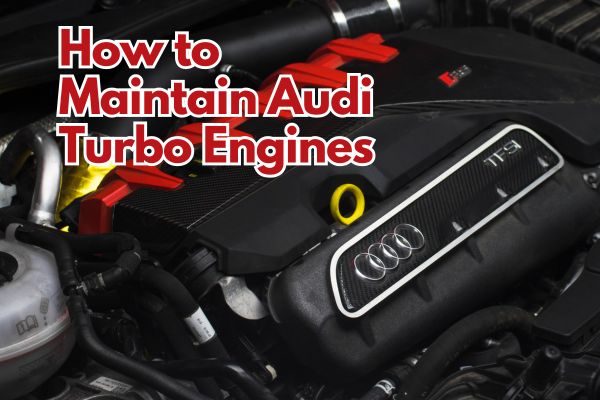
Understanding Audi Turbocharged Engines
A turbocharger works by using exhaust gases to spin a turbine, which forces more air into the engine. This process, called forced induction, allows the engine to burn more fuel and generate more power without increasing displacement.
Why Turbo Engines Require Special Maintenance
- They operate at higher temperatures than naturally aspirated engines.
- They rely on clean, high-quality oil to lubricate fast-spinning components.
- They generate more pressure, meaning components like hoses and gaskets wear faster.
- They can suffer from carbon buildup, affecting performance over time.
Proper maintenance helps prevent these issues, ensuring that your Audi’s turbo runs smoothly and efficiently.
Key Maintenance Tips for Audi Turbo Engines
1. Use High-Quality Engine Oil and Change It Regularly
Turbochargers rely on engine oil for both lubrication and cooling. Low-quality or old oil can lead to premature turbo failure.
- Use Audi-approved synthetic oil. Turbo engines need oil that resists high temperatures.
- Change the oil every 5,000–7,500 miles, even if the manual suggests a longer interval.
- Avoid cheap oil filters. They can allow contaminants into the turbo system.
Neglecting oil changes is one of the fastest ways to damage a turbocharger.
2. Allow the Engine to Warm Up Before Driving Hard
Cold starts put stress on a turbocharger. When the engine is cold, oil is thicker and doesn’t flow as efficiently, leading to increased wear.
- Let the engine idle for 30–60 seconds before driving.
- Avoid aggressive acceleration until the engine reaches normal operating temperature.
Skipping this step can lead to excessive turbo wear and potential failure.
3. Let the Turbo Cool Down After Driving
One of the biggest mistakes I see is drivers shutting off their engine immediately after a spirited drive. A hot turbo continues spinning after the engine stops, but with no fresh oil circulating, it can “cook” leftover oil in the bearings, leading to coking and damage.
- Let the engine idle for 1–2 minutes after long or aggressive drives.
- If you don’t have time, drive gently for the last mile to allow gradual cooling.
This simple habit can significantly extend the life of your turbocharger.
4. Keep the Air Filter Clean and Maintain Proper Airflow
Turbocharged engines need unrestricted airflow to function properly. A clogged air filter forces the turbo to work harder, reducing efficiency and performance.
- Check and replace the air filter every 15,000–20,000 miles.
- If you drive in dusty conditions, inspect it more frequently.
A clean air filter ensures that the turbo can breathe properly, improving power delivery.
5. Use High-Quality Fuel and Avoid Cheap Gas
Audi turbo engines are designed to run on premium fuel. Using lower-octane gas can lead to knock, which forces the engine to adjust ignition timing, reducing power and efficiency.
- Always use at least 91-octane fuel (or higher if recommended for your model).
- Consider fuel system cleaners to prevent carbon buildup.
Cheaper fuel might save a few dollars at the pump, but it can cost more in engine repairs down the road.
6. Regularly Inspect and Replace Spark Plugs
Spark plugs in turbocharged engines experience increased wear. When spark plugs are worn, they can lead to engine misfires, rough idling, and decreased fuel efficiency.
- Replace spark plugs every 30,000–50,000 miles, depending on the model.
- Use OEM or high-performance iridium spark plugs for better durability.
If your Audi feels sluggish or hesitant under acceleration, it may be time for new plugs.
7. Monitor Boost Pressure and Watch for Turbo Lag
A healthy turbo provides consistent boost pressure. If you notice increased turbo lag or inconsistent acceleration, there might be a leak or issue with the turbo system.
- Use an OBD-II scanner to monitor boost pressure.
- Check for loose or cracked hoses that could cause boost leaks.
Catching small issues early can prevent a major turbo failure.
8. Maintain the Turbocharger’s Intercooler System
The intercooler cools down compressed air before it enters the engine, improving efficiency and preventing overheating.
- Inspect for oil buildup or leaks around the intercooler.
- Make sure hoses and clamps are secure.
A dirty or leaking intercooler reduces turbo efficiency and overall performance.
9. Prevent Carbon Buildup with Proper Maintenance
Many Audi turbo engines use direct injection, which can lead to carbon buildup on intake valves over time. This can cause rough idling, poor fuel economy, and power loss.
- Consider walnut blasting every 50,000–70,000 miles to clean intake valves.
- Use fuel additives designed for direct-injection engines to slow carbon buildup.
Regular maintenance keeps your Audi’s intake system clean and efficient.
10. Check and Maintain the Turbo Hoses and Connections
Boost leaks can reduce power and fuel efficiency while putting extra strain on the turbo.
- Inspect turbo hoses and clamps for cracks or looseness.
- Replace damaged hoses to maintain proper boost pressure.
A small leak can lead to major performance issues if left unchecked.
Real-Life Example: Turbo Maintenance in an Audi S4
A customer brought in a 2016 Audi S4, complaining of sluggish acceleration and excessive smoke from the exhaust. After a thorough inspection, we found:
- Carbon buildup on intake valves, reducing airflow.
- A clogged intercooler, affecting cooling efficiency.
- A small boost leak from a loose clamp.
Solution:
- Performed walnut blasting to clean the intake valves.
- Cleaned and reinstalled the intercooler.
- Secured all turbo connections to restore full boost.
After these repairs, the car regained its sharp throttle response, fuel efficiency improved, and the excessive smoke disappeared.
Common Mistakes That Shorten Turbo Lifespan
- Skipping oil changes – leads to turbo bearing failure.
- Shutting off engine immediately after driving hard – causes oil coking.
- Using low-octane fuel – forces the engine to adjust performance.
- Ignoring small boost leaks – reduces power and efficiency.
Keep Your Audi Turbo Engine Running at Its Best
Turbocharged Audis deliver thrilling performance, but they demand proper care. Regular oil changes, premium fuel, and simple habits like warming up and cooling down the turbo make all the difference. Small maintenance steps today can prevent costly repairs tomorrow.
If you notice hesitation, smoke, or reduced power, don’t ignore it—take action to keep your Audi running at its peak for years to come.
FAQs About Audi Turbo Engine Maintenance
1. How long do Audi turbochargers last?
With proper care, 80,000 to 150,000 miles or more.
2. What are the signs of a failing turbocharger?
Loss of power, excessive smoke, whistling noises, and high oil consumption.
3. Does using premium fuel really help my Audi’s turbo engine?
Yes, it prevents knocking and helps maintain performance.
4. How much does turbo maintenance cost?
Routine maintenance can be $200–$600, while turbo replacements cost $1,500+.
5. Can I drive with a failing turbo, or will it damage the engine?
Driving with a failing turbo can lead to engine damage if left untreated.