
If you drive a BMW—particularly one with a direct injection engine—you’ve probably come across talk in online forums or heard your mechanic mention a frustrating issue: carbon buildup. It sounds technical and a bit scary, right? But here’s the good news: preventing BMW carbon buildup issues is completely doable with a bit of know-how and the right habits.
Let’s dive into what carbon buildup actually is, why it happens (especially in BMWs), and most importantly, how you can prevent it without constantly shelling out for expensive cleanings.
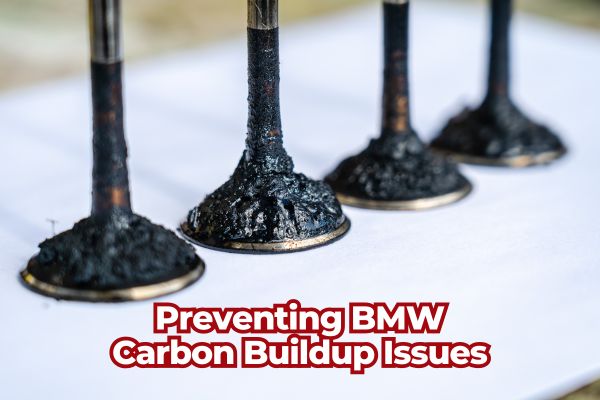
What Is Carbon Buildup and Why Do BMWs Struggle With It?
Carbon buildup happens when carbon deposits form inside your engine, particularly on the intake valves. Think of it like unwanted plaque on your teeth—only this time, it’s inside your car’s heart. In port-injected engines, fuel washes over these valves, cleaning them as it goes. But in direct injection (DI) engines, like those found in many BMW models (N54, N55, B58, etc.), fuel is injected straight into the combustion chamber, skipping the intake valves altogether.
That means oil vapors from the crankcase ventilation system and blow-by gases can build up on those valves over time. This buildup can cause poor performance, misfires, rough idling, and even trigger the check engine light.
So why do BMWs have this issue more often? Because they were early adopters of DI technology, their high-performance engines are particularly sensitive to airflow disruptions.
Signs You Might Have a Carbon Buildup Problem
Before we talk about preventing BMW carbon buildup issues, let’s go over the warning signs. Catching these early can save you a major headache:
- Loss of engine power or sluggish acceleration
- Rough idling or vibration when stopped
- Engine misfires, especially during cold starts
- Drop in fuel economy
- That ominous check engine light
If you notice any combo of these, it might be time to check under the hood—literally.
Top Tips for Preventing BMW Carbon Buildup Issues
Okay, here’s where we get to the good part. Let’s talk about what you can do to keep carbon at bay and your BMW running smoothly.
1. Keep Up With Oil Changes
Dirty oil can lead to more blow-by gases, which means more carbon on your intake valves. Stick to BMW’s recommended oil change intervals, or go even more conservative (like every 5,000-7,000 miles) if you do a lot of short trips or spirited driving.
2. Install an Oil Catch Can
This is a favorite mod in the BMW community. An oil catch can traps oil vapors before they get into the intake manifold. It’s an inexpensive install that can make a big difference in reducing buildup.
3. Don’t Baby the Engine
This might sound counterintuitive, but driving your BMW gently all the time isn’t doing it any favors. Take it out on the highway and give it a good run now and then. Higher RPMs help burn off carbon and keep the valves cleaner—this is what car folks call the “Italian tune-up.”
4. Use Quality Fuel and Additives
BMW recommends premium fuel for a reason. Top-tier gasoline contains detergents that help reduce buildup. You can also use reputable fuel system cleaners, like Techron, every few thousand miles. While they won’t clean the valves directly, they help keep injectors and combustion chambers clean.
5. Schedule Walnut Blasting
Yes, this is a real thing. Walnut blasting remains the most effective and widely recommended way to clean carbon off BMW intake valves. Crushed walnut shells are blasted at high pressure into the intake ports (with the intake manifold removed) to scrub them clean. It sounds wild, but it works. Consider doing this every 50,000-70,000 miles.
Why This Matters for Long-Term BMW Ownership
You didn’t buy a BMW for average performance or reliability. These cars are built for precision and driving pleasure. But with precision comes sensitivity, and direct injection is a double-edged sword. It boosts performance and efficiency, but introduces this carbon issue.
Preventing BMW carbon buildup issues means you get to enjoy your car the way it was meant to be enjoyed: responsive, powerful, and silky smooth. Letting it slide can mean expensive repairs down the line, not to mention the frustration of a misfiring engine that just doesn’t feel right.
Frequently Asked Questions
1. How do I know if my BMW needs walnut blasting?
It might be time if you’re experiencing misfires, loss of power, or a rough idle, and your mileage is above 50,000. A borescope inspection at a BMW specialist can confirm it.
2. Does a catch can make a difference?
Yes! Especially in turbocharged BMWs like the N54/N55. It won’t eliminate all buildup, but it can significantly slow the rate at which it happens.
3. Can I DIY carbon cleaning at home?
If you’re mechanically inclined and have the tools, yes. But it’s a pretty involved job. Most folks are better off letting a professional handle walnut blasting.
4. Are certain BMW engines worse than others for carbon buildup?
Yes. The N54 is notorious, followed by the N55 and early B-series engines. Newer engines with dual injection are better, but still not immune.
5. Can driving style prevent carbon buildup?
Absolutely. Taking your BMW on regular highway drives at higher speeds (and RPMs) helps prevent buildup. Avoiding short trips where the engine never gets hot also helps.
Bottom Line
Preventing BMW carbon buildup issues isn’t rocket science. It just takes awareness and a few smart habits. From oil changes and quality fuel to a little spirited driving and occasional walnut blasting, you can keep your BMW breathing easily and performing like the ultimate driving machine it was designed to be.So, don’t wait until your engine starts acting up. Be proactive, take care of those intake valves, and enjoy the ride—carbon-free.