
Toyota drivers across Utah are reporting a growing concern—unexpected jerks, delayed shifts, and stubborn gears that just won’t cooperate. These symptoms point to a widespread issue that’s all too familiar: Toyota transmission shifting issues. From Salt Lake City’s busy streets to the steep grades of Park City, these problems can strike without warning and leave you feeling stuck.
We’re about to break down the nuts and bolts of Toyota transmission shifting issues. Armed with the right insight, you’ll be able to outsmart unexpected repair bills and keep your Toyota shifting like new.
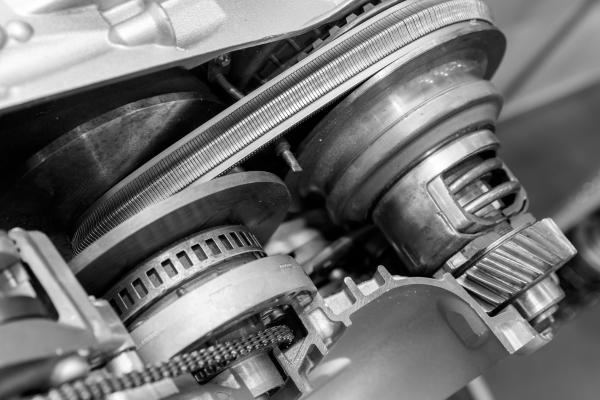
What Are Toyota Transmission Shifting Issues?
Transmission shifting issues refer to any abnormal behavior when your car changes gears. These may include:
- Hesitation or delay when shifting from one gear to another
- Rough or jerky transitions
- Unusual noises during shifting
- Slipping out of gear
- Warning lights on the dashboard
While Toyota is known for its reliability, even the most trusted vehicles can run into problems, especially if regular maintenance is overlooked. Transmissions are intricate systems, depending on a blend of mechanical components and electronic controls to function seamlessly. Think of it like a synchronized dance. When one partner missteps—fluid, solenoid, or sensor—the whole performance falters. And when it comes to transmission shifting, small issues can snowball quickly.
Top Causes of Toyota Transmission Shifting Problems
Low or Contaminated Transmission Fluid
This is by far the most common culprit. Transmission fluid acts as a lubricant, coolant, and hydraulic medium that powers gear changes. If the fluid level drops too low or becomes contaminated, your transmission may struggle to engage or maintain gears.
Signs: Sluggish shifting, transmission overheating, or fluid that appears dark and smells burnt.
Fix: Check the transmission fluid regularly. For many Toyotas, this should be done every 60,000-100,000 miles, though harsh driving conditions may warrant more frequent service. Flushing old fluid and replacing it with Toyota-approved ATF can resolve many shifting issues before they escalate.
Faulty Transmission Solenoids
Transmission solenoids are tiny valves that regulate the flow of transmission fluid within your gearbox. When they malfunction due to electrical or mechanical failure, shifting becomes unpredictable.
Signs: Erratic shifting, trouble accessing specific gears, transmission entering limp mode.
Fix: Diagnostics with a scan tool can pinpoint which solenoid has failed. Replacement is often straightforward and significantly less costly than a full transmission repair.
Worn Clutch Packs (in Automatic Transmissions)
Inside automatic transmissions, clutch packs handle the engagement of various gear sets. They wear out over time, especially in vehicles frequently driven in mountainous terrain like Utah’s or used for towing.
Signs: Gears slipping, rough engagement, burning smells, and increased RPMs without acceleration.
Fix: Repair may require replacing the worn clutches or even a partial rebuild of the transmission. Early diagnosis can help avoid full replacement.
Software or Sensor Malfunctions
Today’s transmissions rely on dozens of sensors and software programming to make split-second decisions. A malfunctioning Transmission Control Module (TCM) or sensor can completely alter how your vehicle shifts.
Signs: Check engine light, erratic or delayed shifting, transmission stuck in a single gear.
Fix: A dealer-level scan tool can help identify fault codes and determine if reprogramming or sensor replacement is needed. Upgrading your software regularly keeps things running smoothly for a long time.
Mechanical Wear and Tear
Gears, bands, and bearings all wear out eventually, especially in high-mileage Toyotas. Wear is natural, but how quickly it happens depends on your maintenance habits and driving style.
Signs: Grinding noises, shaking during gear changes, and poor acceleration.
Fix: If wear is caught early, individual components can be replaced. In more advanced cases, a full rebuild or replacement may be necessary.
Real-World Example: A Utah Toyota Owner’s Experience
A customer from Salt Lake City brought in a 2012 Toyota Camry with a complaint of hard shifting and a blinking check engine light. The driver had noticed occasional gear slippage and hesitation when accelerating onto the freeway. Upon inspection, our technicians found the transmission fluid was discolored, and the scan tool reported a faulty shift solenoid.
We performed a full fluid flush, replaced the defective solenoid, and updated the vehicle’s transmission software. By the end of the day, the Camry was shifting like new, and the customer was relieved it hadn’t turned into a more expensive repair.
Supporting Data: Toyota Transmission Trends
According to data from Consumer Reports and CarComplaints.com, several Toyota models—like the 2007-2009 Camry, 2010 Corolla, and 2014 RAV4—have shown higher-than-average transmission complaints. Most of these are related to fluid issues or electronic faults, not mechanical failure. This suggests many problems are preventable with regular maintenance and timely diagnostics.
Catch the Problem Before It Gets Worse
Transmission issues can be daunting, but they’re manageable when caught early. For Utah drivers, harsh winters, stop-and-go traffic, and steep grades all increase transmission stress. If you’re noticing Toyota transmission shifting issues, now’s the time to act. Don’t wait for the problem to worsen—schedule an inspection with a trusted local mechanic who knows Toyotas inside and out.
We’ve proudly served Utah drivers since 1977. Our ASE-certified technicians specialize in Toyota transmission systems, using the latest diagnostic tools and repair techniques.
Contact Steve’s Automotive Specialist today to book a transmission inspection or learn more about your options. We’re here to help keep your Toyota running smoothly on every Utah road.
FAQs About Toyota Transmission Shifting Issues
1. How do I know if my Toyota has a transmission problem?
Look for signs like delayed shifting, slipping gears, odd noises, or warning lights.
2. Can I drive with a transmission issue?
You shouldn’t. Driving with a faulty transmission can lead to further damage and higher repair costs.
3. How much does it cost to fix Toyota transmission shifting problems?
Costs vary. A fluid change may run under $200, while replacing solenoids or rebuilding the transmission can cost $1,000–$3,000.
4. Is it cheaper to repair or replace the transmission?
It depends on the damage. Minor repairs are cheaper, but extensive wear may make replacement more economical in the long run.
5. Are transmission problems covered under warranty?
Toyota’s powertrain warranty typically covers transmission issues for 5 years or 60,000 miles. Always check your specific coverage.