
Your Toyota might be built like a tank, but even the most reliable cars can hit a snag, especially on Utah roads where scorching summers, icy winters, and mountain drives push your engine to its limits. One part that quietly does a lot of heavy lifting? Your water pump. It keeps your engine from overheating and running into serious damage.
If you’ve never thought about Toyota water pump replacement, now’s the time. Catching issues early can mean the difference between a quick fix and a full engine rebuild. Whether you’re driving through Salt Lake City traffic or heading up Provo Canyon, here’s how to know when it’s time to replace that pump—and what to expect when you do.
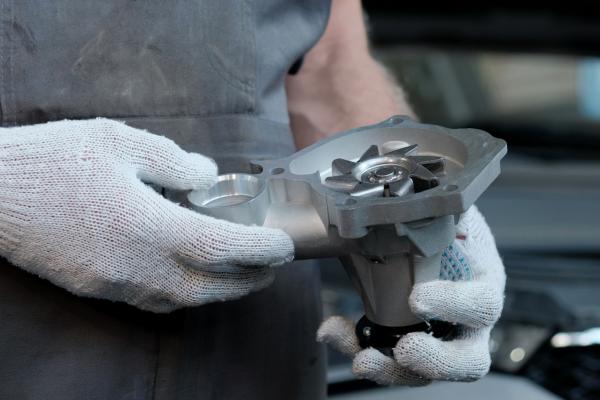
What Does a Toyota Water Pump Do?
Think of your water pump as the heart of your Toyota’s cooling system. It keeps coolant flowing through the engine and radiator, helping maintain a safe operating temperature. Without it, your engine would overheat fast, especially during Utah’s summer heat or up in the canyons where your engine is working harder.
In most Toyotas, the water pump is either belt-driven (by a serpentine or timing belt) or electric, depending on the model and year. No matter the setup, its job is crucial, and when it goes, it can take your engine down with it.
When Should You Consider a Toyota Water Pump Replacement?
Generally, water pumps last anywhere from 60,000 to 100,000 miles. But that’s just a ballpark. Here are a few things that can affect the timing:
- Driving Conditions – Stop-and-go traffic, towing, and steep climbs (hello, Utah mountains) all put extra strain on your cooling system.
- Coolant Quality – Old or dirty coolant can wear down seals and gaskets in the pump.
- Age of the Vehicle – Older Toyotas, especially those with belt-driven pumps, are more likely to need attention sooner.
Many Toyota owners opt to replace the water pump during a timing belt service. Since those parts are often in the same area, you can save a lot on labor by doing both at once.
Signs Your Water Pump Might Be on Its Way Out
Wondering if your water pump is going bad? Here are some warning signs to watch for:
- Coolant Leaks – Spotting green, pink, or orange fluid under the car? That could be coolant leaking from the pump.
- Overheating – If your engine temperature gauge is creeping higher than normal, your pump might not be doing its job.
- Whining or Grinding Noises – Failing bearings inside the water pump often make strange noises, especially right after starting the engine.
- Steam from the Hood – If it looks like your engine is steaming like a tea kettle, pull over. That’s a sign of severe overheating.
A bad water pump doesn’t get better with time. It can quickly turn into major engine damage if ignored.
What Happens During a Toyota Water Pump Replacement?
Once you’ve diagnosed the issue, replacing the water pump is a multi-step process that’s best left to a professional. Here’s what typically happens during a Toyota water pump replacement:
- Inspection – First, a tech confirms that the pump is the issue. They’ll also check related parts like hoses, the thermostat, and the radiator.
- Drain the Coolant – The old coolant is drained safely so the system can be opened without a mess.
- Remove Belts and Components – Depending on your model, several parts may need to come off just to reach the pump.
- Install the New Pump – A high-quality OEM or equivalent pump is installed, and a new gasket or seal is applied.
- Refill and Bleed the Cooling System – Once reassembled, the system is filled with fresh coolant and bled to remove air pockets.
- Test Drive and Final Checks – The vehicle is started, brought up to temperature, and tested to ensure everything’s working perfectly.
The whole process usually takes about 2 to 4 hours, depending on your vehicle’s layout.
Why Replacing Your Water Pump on Time Matters
Replacing a failing water pump before it breaks completely can save you from massive engine repairs. Here’s what a timely replacement gets you:
- Avoid Engine Overheating– One of the fastest ways to ruin an engine is letting it overheat. A good water pump keeps things cool and running right.
- Better Fuel Efficiency – Engines that stay at optimal temperature run more efficiently and burn less gas.
- Improved Heater and A/C Performance – You’ll notice your heater works better in winter and A/C runs smoother in summer.
- Peace of Mind on the Road – No one wants to be stranded on the side of the highway with steam pouring out of the hood.
Real Example from the Road
A customer brought in their 2011 Toyota Highlander after noticing a sweet smell and a puddle in the driveway. They had just returned from a weekend in Zion, and luckily, they acted fast. The water pump was leaking, and the coolant level was dangerously low.
We replaced the pump, flushed the system, and got them back on the road that afternoon. They avoided an engine rebuild that could’ve cost thousands—all because they caught the signs early.
The Data Backs It Up
According to the Car Care Council, cooling system failure is one of the top five causes of roadside breakdowns. Even more telling: AAA reports that most engine-related breakdowns stem from overheating, often linked to water pump or coolant system issues.
Given Utah’s temperature swings and terrain, your cooling system works overtime. A proactive Toyota water pump replacement is one of the smartest maintenance decisions you can make.
Stay Ahead of Trouble
If you’re seeing leaks, hearing odd noises, or noticing the temperature gauge running hot, don’t wait. The sooner you address a worn-out water pump, the less likely you’ll be facing a costly repair—or worse, a full engine replacement.
Since 1977, Steve’s Automotive Specialists has taken pride in giving customers a truly different experience in automotive service. We know Toyota’s inside and out, and we’re here to make your maintenance experience honest, easy, and stress-free.
Need a second opinion? Reach out for a cooling system inspection, and we’ll give you the peace of mind you deserve—no pressure, just solid advice from mechanics who treat you like family.
Frequently Asked Questions
1. How much does a Toyota water pump replacement cost?
In Utah, you can expect to pay between $450 and $900, depending on the model, engine layout, and whether the pump is electric or belt-driven. Labor rates and the cost of OEM parts can also affect the final price.
2. Can I drive with a bad water pump?
Technically, yes—but it’s risky. A failing pump can stop circulating coolant properly, leading to rapid engine overheating and possible head gasket failure or engine damage. We recommend getting it checked ASAP if you’re seeing warning signs.
3. How long does a Toyota water pump usually last?
Most Toyota water pumps last between 60,000 and 100,000 miles. However, Utah’s harsh climate and elevation changes can put extra strain on your cooling system, so regular inspections are a smart move.
4. What are the signs of a leaking water pump?
Look for bright green, orange, or pink puddles under your vehicle—those are often coolant leaks. You may also notice a sweet smell, engine overheating, or steam from under the hood when the leak gets worse.
5. Is water pump replacement part of regular maintenance?
It’s not always on the standard maintenance list, but many Toyota owners choose to replace the water pump when doing timing belt service. That’s because the two parts are often located together, saving on labor and helping prevent future issues.