
If your Toyota is suddenly guzzling more gas, stuttering at stoplights, or just doesn’t have that smooth zip it used to, don’t panic. The fix might be easier (and cheaper) than you think. One of the most overlooked but important parts of your vehicle is the Toyota mass air flow sensor, and when it gets dirty or starts acting up, your engine’s whole performance can go sideways.
Here in Utah, with our dusty roads, dry air, and sudden weather swings, your MAF sensor works overtime. Keeping it clean can save you money, improve performance, and even extend your car’s life. Let’s break down how.
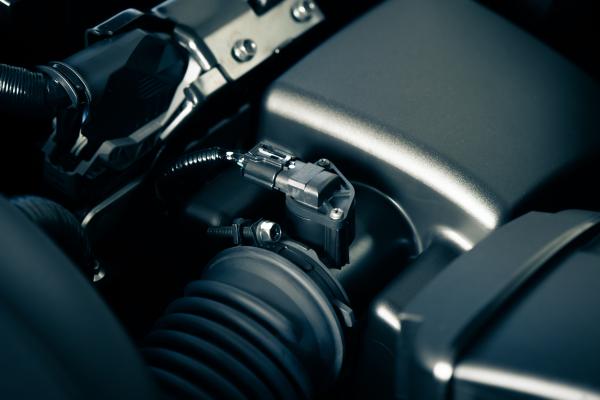
What Is a Toyota Mass Air Flow Sensor (and Why Should You Care)?
The Toyota mass air flow sensor, often referred to as the MAF sensor, is a key player in your car’s fuel delivery system. Its job? Measuring the amount of air that enters the engine so your vehicle can determine the right amount of fuel to inject. It’s like the lungs of your car talking to the brain.
When the sensor is working right, everything runs smoothly. But when it’s dirty or malfunctioning, your car might get confused. It may think there’s more or less air coming in than there is, which can throw off your fuel-to-air ratio and cause a bunch of drivability issues.
Common Symptoms of a Dirty or Failing MAF Sensor
Here are some classic signs that your MAF sensor might need a little attention:
- The car feels sluggish, especially when you hit the gas
- You’re stopping more often for fuel than usual
- The engine hesitates, stalls, or runs roughly
- You get a Check Engine Light, often tied to codes like P0101 or P0102
- The engine is hard to start, or turns over more than usual before firing up
Sound familiar? You’re not alone. Drivers all over Utah run into this issue thanks to the dry air, high dust levels, and elevation changes.
How a Dirty MAF Sensor Affects Your Toyota
Let’s break it down: if the sensor is dirty, it might under-read the airflow. The engine gets less fuel than it needs. That can lead to hesitation, backfiring, or even damage over time. If it overreads, you get too much fuel and risk poor fuel economy and carbon build-up. Either way, it’s not something you want to ignore. And in many cases, the fix is surprisingly simple: a thorough cleaning.
How to Clean Your Toyota Mass Air Flow Sensor Safely
Yes, you can clean your Toyota’s MAF sensor yourself. No, it’s not rocket science. You just need the right tools, a little patience, and a gentle touch.
What You’ll Need:
- A can of Mass Air Flow Sensor Cleaner (specifically labeled for MAF sensors)
- A basic toolset (usually a Torx or small socket set)
- Gloves and safety glasses
- 10–15 minutes of your time
Never use regular carb cleaner or touch the sensor wires directly. That’s a fast track to damaging it permanently.
Here’s How to Do It:
- Turn off your car and disconnect the battery (this keeps the computer from freaking out).
- Locate the MAF sensor. On most Toyotas, it’s between the air filter box and the engine intake.
- Disconnect the wiring harness. These connectors can be a little delicate, so take your time.
- Unscrew the sensor from its housing and gently remove it.
- Spray the cleaner directly onto the sensor elements. Use short bursts. Don’t wipe or scrub!
- Let it air dry completely (usually 10–15 minutes).
- Reinstall the sensor, reconnect the harness, and fire up your car.
That’s it. If the sensor was the problem, you’ll often feel the improvement right away—smoother idle, quicker throttle response, and better mileage.
When Cleaning Isn’t Enough
Sometimes, a Toyota mass air flow sensor is too far gone for a cleaning to help. If it’s damaged or worn out, cleaning won’t restore its function. So, how can you tell? Here are a few clues:
- You’ve cleaned it, and symptoms persist
- The sensor shows physical damage (broken wires or cracks)
- You’re still getting a Check Engine Light with related codes after resetting it
In those cases, it might be time to replace the sensor. The good news? It’s still a relatively inexpensive fix, especially compared to the damage that running too rich or lean can do over time.
Real Example from a Utah Driver
A Highland-area Toyota Tacoma owner came into the shop recently with complaints of poor acceleration and a 15% drop in fuel efficiency. He had tried changing the air filter but saw no improvement.
We popped the hood, checked the codes, and sure enough: the MAF sensor was coated in a fine layer of grime. After a careful cleaning and a short test drive, the difference was immediate. The engine ran smoother, fuel mileage improved within a few days, and the Check Engine Light didn’t return. This kind of result isn’t rare—it’s a great reminder that simple maintenance can go a long way.
The Numbers Don’t Lie
According to AAA, airflow-related issues are one of the most common reasons people visit repair shops. The EPA also reports that dirty sensors can increase emissions and fuel usage by up to 10%. That adds up, especially if you’re driving long distances in a state like Utah, where gas prices aren’t always forgiving.
Let’s say you drive 12,000 miles a year. If your Toyota is averaging 25 MPG, and cleaning your sensor helps you recover just 2 MPG, that’s nearly 40 gallons of gas saved every year. Multiply that by Utah gas prices? You’re looking at real savings for a 10-minute job.
Keep Your Toyota Running Smooth
The Toyota mass air flow sensor might be small, but it has a huge impact on your vehicle’s performance, fuel economy, and overall driving experience. Whether you’re cruising through Utah canyons or commuting through Salt Lake traffic, a clean, functional MAF sensor ensures your engine is breathing properly and performing at its best.
If you’re unsure about doing it yourself or want a professional opinion, the team at Steve’s Automotive Specialists is here to help. We’ve helped hundreds of Utah drivers clean or replace their sensors—and we’re happy to check yours out, answer questions, or even just point you in the right direction. Reach out to us today—no pressure, just honest advice.
FAQs About Toyota Mass Air Flow Sensor
1. How often should I clean my Toyota’s MAF sensor?
In general, cleaning your MAF sensor every 12,000 to 15,000 miles is a good rule of thumb, especially if you live in a dusty area like Utah. If you drive on dirt roads or have an aftermarket air filter, you may want to check and clean it more often.
2. Will a dirty MAF sensor cause my Toyota to get bad gas mileage?
Absolutely. A dirty or faulty sensor can throw off the air-fuel mixture, leading your engine to burn more fuel than necessary. This can reduce MPG and increase your fuel costs significantly over time.
3. Can I clean my MAF sensor instead of replacing it?
Yes, cleaning is often the first step before replacing. If the sensor is just dirty (not damaged), cleaning it with a proper MAF cleaner can restore normal performance. Just be gentle—those wires are fragile!
4. Is it safe to drive with a bad MAF sensor?
You can technically drive with a failing MAF sensor, but it’s not a good idea for long. It can cause rough engine operation, reduce power, and increase emissions. Over time, it may even damage your catalytic converter or other parts.
5. How do I know if my MAF sensor is bad or just dirty?If cleaning doesn’t improve symptoms or your check engine light keeps returning after a reset, the sensor may be faulty. In some cases, a scan tool can help identify whether the readings are within normal range.