
If you’ve ever stepped out to scrape snow off your windshield in a Utah winter, only to notice that your front tires look more worn on one side than the other, you’re not alone. Uneven tire wear is a problem that creeps up on drivers all across the Wasatch Front—from Salt Lake City commuters on I-15 to Provo Canyon weekend adventurers. It’s frustrating because you pay for quality tires, but they don’t seem to last as long as they should.
The good news is that most uneven tire wear causes can be prevented. Catching problems early saves you money, boosts safety, and makes every Utah drive more enjoyable.
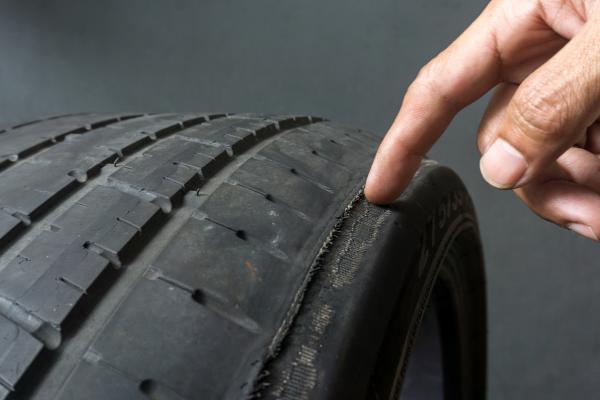
What Does Uneven Tire Wear Actually Mean?
Think of tire wear like wearing down the soles of your shoes. Ideally, they wear out evenly across the bottom. But if one edge wears down faster, it means something is off—your gait, your balance, or your shoes themselves.
With tires, uneven wear means the tread isn’t being used equally. Instead of a smooth, balanced surface, you might see:
- Edge wear: one side thinner than the other.
- Cupping or scalloping: a bumpy, wavy pattern.
- Center wear: middle worn down more than edges.
In Utah, this matters even more because we rely on traction year-round—snow in the winter, sudden spring rain, and hot asphalt in summer. Tires with uneven wear don’t grip as they should, which can make canyon curves or wet highway drives riskier.
Common Causes of Uneven Tire Wear for Utah Drivers
Your tires tell a story—here are the most common reasons they wear unevenly in Utah.
1. Wheel Alignment Issues
When your wheels aren’t aligned, they don’t point perfectly forward. Instead, they may tilt inward or outward, forcing one part of the tire to carry more weight. Over time, that edge wears down quickly.
Real Utah story: A customer from Murray brought in her SUV after noticing the steering wheel pulling left. Sure enough, winter potholes had knocked the alignment out, and her front tires were bald on the inside edge after just one season.
2. Unbalanced Tires
Ever feel a vibration in your steering wheel at highway speeds? That’s often a sign of unbalanced tires. When weight isn’t distributed evenly, the tire bounces slightly as it rotates, causing scalloped or cupped tread.
Salt Lake City’s uneven roads (and let’s be honest, those construction zones on State Street) are notorious for knocking tires out of balance.
3. Suspension Problems
Your suspension—shocks, struts, and ball joints—keeps tires planted firmly on the road. When those parts wear out, your tires start bouncing, which creates patchy wear.
Pro Insight: ASE-certified technicians often catch this issue during routine inspections. If your car has over 75,000 miles and you’ve never replaced suspension components, it’s worth having them checked.
4. Tire Pressure Problems
This one’s sneaky. Low tire pressure causes the outer edges to wear faster, while overinflation wears down the center.
And here in Utah, temperature swings are dramatic. A crisp fall morning might be 35°F, but by afternoon, it’s pushing 80°F. Each 10°F change can alter tire pressure by about 1 PSI. That fluctuation alone is enough to create uneven wear if you’re not keeping an eye on it.
5. Driving Habits
Let’s be real: Utah drivers love their mountain roads. Whether it’s tight curves in Big Cottonwood Canyon or braking hard on steep grades in Park City, those habits put extra stress on tires. Aggressive driving makes uneven wear more likely, even if your car is in otherwise good condition.
Why Should Utah Drivers Care?
Uneven tire wear isn’t just about replacing tires sooner—it’s about safety and savings.
- Safety: Tires with thin edges or bald spots lose traction faster, especially in rain or snow. That could mean sliding through a red light in a sudden spring storm.
- Cost: A set of decent tires runs $600–$1,200. If uneven wear cuts their lifespan in half, you’re essentially throwing money away.
- Fuel Economy: Misalignment and underinflated tires create rolling resistance. According to AAA, keeping tires in proper condition can improve fuel economy by up to 4%.
Did You Know? The Utah Department of Public Safety has found that tire-related issues are a contributing factor in more than 10% of roadside breakdowns in the state.
Real-Life Case Study: Subaru in Sandy
One of our regulars, a teacher from Sandy, came in before ski season with her Subaru Outback. She complained of a loud humming sound on I-215. A quick inspection showed cupping on all four tires, caused by worn struts.
Once the struts were replaced and the tires rotated, the difference was night and day. Her Outback handled like new again, ready for snow days in Little Cottonwood Canyon. This case shows how catching uneven wear early can prevent bigger problems—and how suspension is often an overlooked culprit.
What the Experts Recommend
Let’s look at what industry authorities say:
- U.S. Tire Manufacturers Association (formerly RMA): Owners should spend just a few minutes every month to inspect tire pressure, tread wear, and look for visible damage—this simple routine helps catch early issues before they lead to bigger problems.
- Tire Pressure & Temperature Monitoring: Tire pressure changes roughly 1–2 PSI for every 10°F shift. Checking regularly—especially during Utah’s dramatic seasonal swings—is a smart way to prevent uneven tread wear.
- National Crash Data (NHTSA): When tires are underinflated by 25% or more, they’re about three times more likely to be identified as a key factor in pre-crash tire failures. This clearly highlights why proper inflation matters for safety.
Stay Ahead of Uneven Tire Wear in Utah
At the end of the day, uneven tire wear causes are simple: alignment, balance, suspension, tire pressure, and even driving habits. But here in Utah, where weather, mountains, and road conditions push vehicles harder, it’s especially important to stay ahead of these issues.
That’s why at Steve’s Automotive Specialists, we’ve been helping Utah drivers with alignments, suspension repairs, tire inspections, and complete auto care for decades. Proudly serving our community with trusted automotive expertise since 1977, our ASE-certified technicians ensure your vehicle is safe, efficient, and ready for the road ahead.
If you’ve noticed unusual wear patterns, heard strange tire noise, or just want peace of mind before your next canyon drive, give us a call or schedule a visit today.
Frequently Asked Questions
How can I quickly check for uneven tire wear at home?
Run your hand gently across the tread. If it feels bumpy, feathered, or thinner on one edge, it’s time to have a professional take a look. A simple penny test can also check tread depth.
Do I really need to rotate tires that often?
Yes. Rotation keeps wear even, especially for AWD vehicles like Subarus and Toyotas that are common in Utah. It’s a small step that extends tire life.
Can uneven wear affect fuel economy?
Absolutely. Misaligned or underinflated tires create drag, lowering gas mileage. Over time, that can cost you hundreds in fuel.
Is winter driving harder on tires in Utah?
Yes—potholes, cold snaps, and road salt all contribute to faster wear. That’s why winter-to-spring is a great time for inspections.
What’s the most common uneven wear cause you see in Utah?
By far, it’s alignment issues from potholes and curbs. Suspension wear is a close second, especially in vehicles over 75,000 miles.