
Your exhaust system does a lot more than most drivers give it credit for. It moves engine fumes safely out of the car, keeps them away from you, and helps the engine run the way it’s supposed to. That’s why the importance of regular exhaust maintenance becomes pretty obvious once you live and drive in Utah.
Most people don’t think about their exhaust until something rattles, hisses, or an emissions test fails. By then, the system has usually been struggling for a while. Utah winters, summer heat, canyon climbs, and elevation changes all team up to wear your exhaust down faster than you’d expect.
Mechanic insight:
“Exhaust problems don’t show up overnight. They start small and slow.”
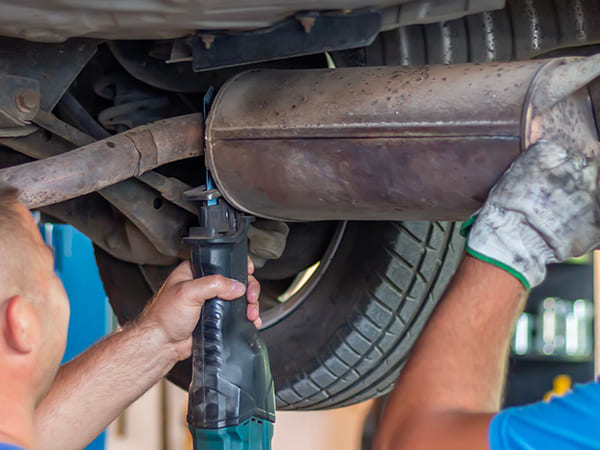
Understanding Exhaust Maintenance in Utah
When we say “exhaust maintenance,” we’re not talking about anything fancy. It’s just checking for leaks, rust, loose brackets, clogged parts, or sensors sending bad readings. A quick look now saves you from bigger headaches later—especially when emissions season hits.
Utah’s climate is hard on metal parts, and the exhaust sits right where all that trouble lands. Here’s why things wear out quicker here:
- Salt from snowstorms loves to eat through pipes and welds.
- Hot summers expand the metal and loosen weak spots.
- Canyon drives heat the exhaust fast because the engine works harder going up.
- Sudden weather changes make the metal expand and shrink over and over again.
You’d be surprised how many “big” exhaust jobs started from something tiny that went unnoticed.
Why Utah’s Climate Creates More Exhaust Wear
If you’ve lived here long enough, you already know Utah’s weather has a personality of its own. The exhaust system feels all of it:
- Winter road salt sticks to the exhaust and starts rusting it almost immediately.
- Temperature swings make the metal flex, which eventually opens up cracks and loose joints.
- Canyons and high elevation force the engine to work harder, which means hotter exhaust temperatures.
- Dry, dusty conditions leave debris baked onto hot exhaust parts, creating uneven wear spots.
- Stop-and-go freeway traffic keeps the exhaust hotter for longer, stressing older parts.
Mechanic insight:
“Utah hits your exhaust from every direction. Cold, heat, hills, and salt—it’s a rough combo.”
What Makes Exhaust Maintenance a Big Deal for Utah Drivers
- Prevents Carbon Monoxide Leaks
Small leaks can push fumes toward the cabin, especially during cold-morning idling. Most drivers never notice the smell, which is why catching these leaks early matters.
- Helps You Pass Utah Emissions Tests
One faulty sensor can trigger a check engine light and hold up your registration. Keeping the system sealed and the sensors accurate helps you avoid that last-minute scramble.
- Protects the Catalytic Converter
Catalytic converters are expensive to replace, and they often fail because another part upstream was ignored. Fixing the smaller issue early protects the converter from taking the damage.
- Improves Fuel Efficiency
A smooth exhaust flow keeps the engine from working harder than it needs to. That means steadier fuel use and fewer surprise gas station stops.
- Catches Corrosion Before It Spreads
Rust starts small but spreads quickly once it gets going. A simple inspection keeps those early spots from turning into bigger repairs.
Why These Exhaust Benefits Matter for Everyday Utah Driving
- More consistent fuel use — the engine isn’t wasting extra gas trying to push air out.
- Quieter and smoother driving — fewer rattles and better throttle response.
- Cheaper repairs — small fixes now beat big replacements later.
- Less stress at emissions time — fewer surprise warning lights.
- A healthier engine — everything works better when the exhaust isn’t fighting against buildup or leaks.
Mechanic quote:
“If the exhaust can breathe, the engine doesn’t have to fight.”
Real-Life Example: Showing the Importance of Regular Exhaust Maintenance
Mark from South Jordan came in because he heard a light tapping sound on cold mornings. Nothing loud—just enough to make him curious. Once we lifted the car, we found early rust eating into a weld, thanks to winter road salt.
- That tapping noise was the first sign.
- Rust was already forming underneath.
- Fixing it early kept the cost low.
- Waiting would’ve meant replacing an entire pipe section.
Mechanic insight:
“If something sounds new, don’t ignore it. The exhaust is usually trying to tell you something.”
What the Data Shows About Why Exhaust Care Matters
Here’s what national agencies say about exhaust issues:
- NHTSA reports exhaust leaks as a major source of carbon monoxide exposure, especially during long idling in cold weather.
- The EPA notes that bad sensors and worn converters increase emissions, which directly affects Utah’s required testing.
- The U.S. DOT points to corrosion as a top cause of exhaust failures, and winter salt speeds that up.
Put all that together, and regular exhaust checks become common sense for Utah drivers.
Quick Recap Before You Hit the Road
- Utah is hard on exhaust systems, and most of the damage happens quietly—salt, heat, cold, and canyon driving all team up on it.
- A small check once or twice a year goes a long way, especially before or after winter.
- If something sounds new or smells off, don’t ignore it—those little hints usually show up before a real problem does.
- Catching rust or a weak sensor early is always cheaper than replacing big sections of pipe later.
- Emissions testing gets a lot easier when the exhaust and sensors are in good shape ahead of time.
Thinking About Getting Your Exhaust Checked in Utah?
If something you read here has you wondering whether your exhaust needs a look, that’s usually a good sign to get it checked. Utah’s roads and weather can create problems slowly and quietly, and that’s exactly why the importance of regular exhaust maintenance matters long before anything feels wrong behind the wheel.
You’re always welcome to stop by Steve’s Automotive Specialist. Our team handles exhaust inspections, part replacements, repairs, and troubleshooting for sensor or monitoring issues—everything done by factory-trained techs. If you want to schedule a quick visit or just get an honest opinion, we’re here for you.
Frequently Asked Questions
How often should I get my exhaust system inspected in Utah?
Every 6–12 months is a good rule of thumb. Canyon commuting or high mileage might need more frequent checks.
Can a small exhaust leak affect how my car drives?
Yes. Even a tiny leak can change airflow enough to affect performance.
Why does my exhaust smell stronger after traffic or long idling?
Heat brings out little issues you don’t notice during normal driving. Strong smells usually mean something needs attention.
Does canyon driving wear out the exhaust faster?
It does. Uphill climbs heat the system faster, and heat speeds up wear.
Is louder exhaust normal in cold weather?
Colder metal shrinks and makes small gaps louder. It usually quiets as things warm up, but it’s still worth checking.