
Utah drivers genuinely care about clean air — and it’s hard not to when we all deal with winter inversions, wildfire smoke, and those long canyon commutes. Drivers from Salt Lake City to Sandy, Clearfield, Orem, Hyde Park, and Santa Clara often ask whether newer exhaust systems really make a difference. The short answer? Absolutely. The environmental benefits of modern exhausts are bigger than most people realize.
Modern exhaust systems aren’t just there to keep things quiet. They help cut emissions, improve air quality, and keep your vehicle running cleaner all year long. Here’s what that means in everyday driving.
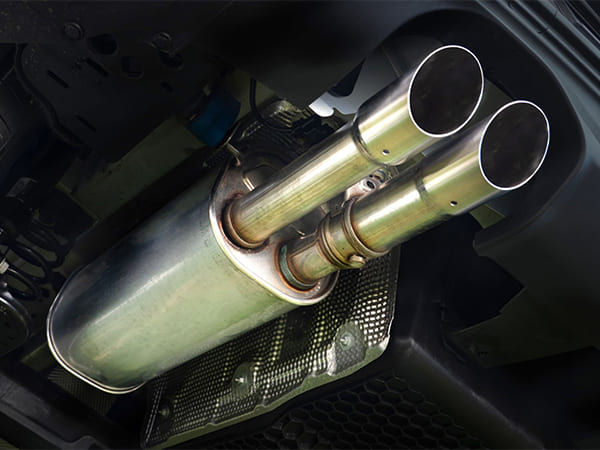
A Simple Look at Modern Exhaust Systems
Most people picture the tailpipe, but a modern exhaust is much more complex. Think of it as a small team of parts that work together to clean what comes out of your engine — something we definitely appreciate in Utah’s unique air-quality conditions.
Here’s the quick breakdown:
- Cuts down harmful gases before they reach the air
- Helps your engine breathe better and run smoother
- Keeps fuel burning cleaner, no matter the weather
- Lowers your car’s overall impact on Utah’s air quality
So if you’re crawling through Salt Lake traffic or heading up a canyon for the weekend, your exhaust plays a much bigger role than you might expect.
How Modern Exhausts Make a Big Difference for Utah’s Air
Modern exhaust technology goes far beyond noise control. It’s a key role of keeping Utah’s valleys, mountain passes, and busy roadways a little cleaner. With inversions, altitude changes, and heavy commuting shaping how we drive here, the environmental benefits of modern exhausts become even more noticeable.
Cleaner Air During Inversion Season
Utah’s winter inversions trap pollution close to the ground, which is why cleaner exhaust output matters so much. New systems cut harmful gases before they get released.
- Lower nitrogen oxide levels help reduce that persistent haze in the Salt Lake Valley
- Cleaner-burning combustion supports Utah DEQ’s air-quality goals
- More consistent emission control, even on cold starts when older cars tend to pollute the most
Reduced Pollution in High-Traffic Areas
Places like I-15, SR-89, and downtown Salt Lake see constant stop-and-go traffic — exactly where older exhaust systems struggle. Modern systems help keep emissions steadier.
- Advanced catalytic converters reduce unburned fuel during idling
- Better O₂ sensors prevent overly rich fuel mixtures in slow traffic
- Fewer particulates drift into nearby neighborhoods and businesses
Better Adaptation to High Elevation
Utah’s higher elevation affects how engines burn fuel. Modern exhaust systems automatically adjust, helping your car stay cleaner and more efficient.
- Real-time fuel-air adjustments help prevent incomplete combustion
- Lower emissions on canyon drives, where older engines tend to struggle
- More stable performance in both summer heat and those freezing alpine mornings
Lower Greenhouse Gas Output
Cleaner airflow and smarter exhaust design naturally reduce CO₂ over the life of the vehicle.
- More efficient combustion means fewer greenhouse gases
- Optimized airflow helps prevent wasted fuel
- Cumulative reductions make a difference across the Wasatch Front
Less Waste in Utah’s Landfills
Modern exhaust systems simply last longer, which means fewer replacements and less waste.
- Corrosion-resistant materials handle Utah’s salty winter roads better
- Longer-lasting catalytic converters reduce environmental waste
- Fewer discarded components support statewide sustainability goals
Support for Utah’s Clean-Air Initiatives
Cleaner vehicles help local communities meet state and regional air-quality standards.
- Aligns with DEQ expectations for lower emissions
- Reduces the frequency of health-related pollution alerts
- Supports long-term improvement across Salt Lake County and surrounding areas
At-a-Glance Comparison: Older vs. Modern Exhaust Systems
| Feature / Impact | Older Exhaust Systems | Modern Exhaust Systems |
| Emission Reduction | Moderate; outdated catalytic designs | Much better, multi-stage catalytic conversion |
| Fuel Efficiency | Lower | Higher, thanks to precise O₂ sensors |
| Adaptability to Utah Conditions | Prone to winter/salt issues | Built for temperature swings & corrosion resistance |
| Air Quality Benefits | Minimal | Major NOx, CO, HC reductions |
| Durability | 5–7 years | 8–12+ years with proper care |
Case Study: How Modern Exhausts Helped One Utah Driver
A driver from Hyde Park came in last December with a check engine light that kept popping on during cold morning commutes. After inspecting the vehicle, we found the catalytic converter was wearing out and the upstream O₂ sensor wasn’t handling the cold well.
Once we installed a modern exhaust setup:
- Emissions dropped noticeably
- The engine idled smoothly, even on freezing mornings
- The driver saw better fuel mileage on trips into Logan
- They also mentioned the garage smelled cleaner when starting the car
This kind of result is common. When modern exhaust parts are installed and calibrated correctly, the environmental benefits go from “technical” to “easy to feel.”
What Research Says About Cleaner Exhaust Technology
Organizations like the EPA, CARB, and respected automotive engineering groups consistently show that:
- Modern catalytic converters reduce harmful gases by up to 90%
- Wide-band O₂ sensors adjust combustion roughly 100× faster than older sensors
- Updated exhaust systems release fewer particulates — especially important during inversion season
For communities along the Wasatch Front, these improvements aren’t just nice to have — they’re essential for healthier winter air.
Keeping Your Car — and Utah’s Air — Cleaner
Modern exhaust systems really do make everyday driving cleaner and safer for Utah’s air. Whether you’re in Salt Lake City, Sandy, Clearfield, Orem, Hyde Park, or Santa Clara, staying on top of exhaust maintenance protects both your vehicle and the environment.
If you’d like expert guidance, Steve’s Automotive Specialist offers inspections, diagnostics, and exhaust services tailored to Utah’s conditions. Feel free to reach out for an evaluation or check out more posts about emissions, fuel efficiency, and seasonal care.
FAQs
What signs indicate my exhaust system may be affecting emissions?
Stronger fumes, lower mileage, and a persistent check engine light usually point to a sensor or converter issue. A quick diagnostic scan will tell you exactly what’s going on.
Do modern exhaust systems really improve fuel efficiency?
Yes — cleaner airflow and accurate O₂ readings help your engine use fuel more efficiently. Many drivers notice smoother acceleration too.
How often should Utah drivers get their exhaust inspected?
Once a year is a good rule of thumb, especially before inversion season. Utah’s road salt and temperature swings can speed up wear.
Can harsh Utah winters damage exhaust systems?
Definitely. Cold weather, moisture, and salt all contribute to corrosion. Modern stainless-steel components handle these conditions much better.
Is a failing catalytic converter dangerous for the environment?
Yes. Once it stops working efficiently, emissions increase quickly. Replacing it restores the environmental benefits of modern exhausts and keeps your vehicle compliant with Utah standards.