
Ford vehicles frequently encounter air conditioning issues in Utah due to extreme temperature fluctuations. Common failure points include leaking evaporator cores, failing compressor clutches, and refrigerant loss. Understanding the distinction between a simple recharge and mechanical component failure is essential for maintaining cabin comfort and preventing expensive long-term compressor damage.
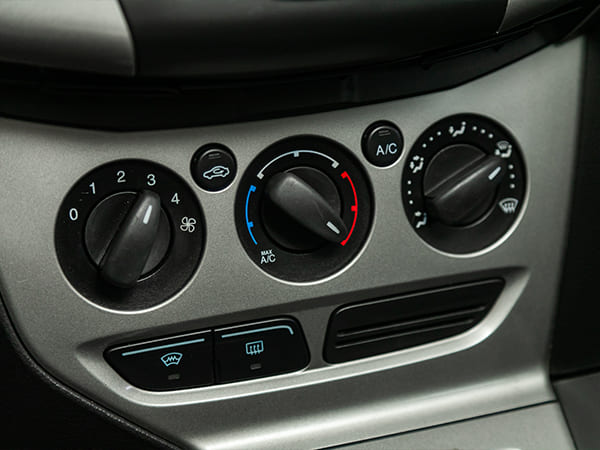
Why Reliable AC Matters in Utah
In Utah, an air conditioning system is more than a luxury; it is a necessity for driver safety and focus. When temperatures in areas like Clearfield or Salt Lake City climb toward triple digits, the heat load on a vehicle’s cooling system is immense. A struggling AC system doesn’t just result in a warm cabin—it indicates that the compressor is working overtime, which can lead to premature belt wear or engine strain.
For Ford owners, the transition from a freezing winter to a blistering summer often reveals seals that have dried out or components that have succumbed to the “slugging” effect of sitting idle for six months.
How the Ford AC System Manages Heat
The air conditioning system operates on a cycle of phase changes. It pulls heat from the cabin using a refrigerant—typically R-134a in older models or R-1234yf in newer Fords—and dissipates that heat through the condenser located in front of the radiator.
Because Fords often utilize “Orifice Tube” or “Expansion Valve” systems depending on the specific model (such as the F-150 versus the Explorer), the way they regulate pressure varies. If the pressure isn’t exact, the system will short-cycle, meaning it turns on and off rapidly. This is a common point of confusion for drivers who assume the system is “working” just because they hear the click of the compressor.
Ford Air Conditioning Failure Points & Symptoms
Understanding why a Ford’s air conditioning fails requires looking at specific mechanical and electrical vulnerabilities common across their truck and SUV lineups. While Ford builds robust cooling systems, certain components are prone to wear under the high-pressure demands of a Utah summer.
Ford F-150 and SUV Evaporator Core Leaks
The evaporator core chills the air before it reaches the vehicle interior. In many Ford models, such as the F-150 and Explorer, these aluminum cores can develop microscopic pinhole leaks over time. Because the evaporator is located deep inside the dashboard, a leak here is often hard to spot visually.
If you notice a faint, sweet chemical smell when you first turn on your vents, or if your windshield develops a persistent oily film on the inside, it’s a strong indicator that the evaporator is leaking refrigerant and oil into the air ducting.
Ford Compressor Clutch and Coil Issues
The AC compressor is the heart of the system, and it relies on an electromagnetic clutch to engage and disengage. Over time, the air gap between the clutch plate and the pulley can widen due to wear. When this happens, the magnet may not be strong enough to pull the plate in, especially when the engine bay gets hot. This often results in “intermittent cooling”—the AC works fine when you first start the car but cuts out after 20 minutes of driving.
Ford Blend Door Actuator Failure
Sometimes the AC system itself is cooling perfectly, but the air coming out of your vents is lukewarm. This is frequently a failure of the Blend Door Actuator. This small electric motor turns a plastic flap (the blend door) to mix hot and cold air. Ford owners often report a “clicking” or “knocking” sound behind the dash when they start the vehicle; this is the sound of the plastic gears inside the actuator stripping out. When it fails, the door often gets stuck in the “heat” position, effectively blocking the cold air from the evaporator.
Condenser Blockage and Damage
The condenser is located at the very front of the vehicle, right behind the grille. Its job is to shed the heat collected from the cabin into the outside air. Because of its position, it is highly susceptible to:
- Physical Damage: Rocks or road debris can puncture the thin cooling fins.
- External Clogging: Utah’s dust, bugs, and winter salt can “blanket” the condenser, preventing heat exchange.
- Internal Clogging: If a compressor begins to fail, it can send metallic “shrapnel” into the condenser, plugging the tiny passages and requiring a full component replacement.
Why Utah’s Climate Is Tough on Ford AC Systems
Our local environment plays a significant role in Ford AC health. The extreme heat of the High Desert causes rubber seals to expand and contract more aggressively than in more temperate climates. Furthermore, if you use your Ford for towing—common among Utah truck owners—the extra heat generated by the engine can put additional thermal stress on the AC condenser located right next to the radiator. We frequently see systems fail in July that were “just fine” in May, simply because they couldn’t handle the increased head pressure of a 100°F day.
Professional Inspection of Ford AC
If your Ford is no longer maintaining a consistent cabin temperature, a professional evaluation can identify whether the issue is a simple electronic sensor or a mechanical leak. The team at Steve’s Automotive Specialist provides comprehensive diagnostics to ensure your cooling system is operating within factory specifications before the peak of the summer heat. Contact us for a detailed explanation of your Ford’s air conditioning needs.
Frequently Asked Questions
Why is my Ford blowing cold air on the highway but warm air at stoplights?
This is usually caused by poor airflow through the condenser. It could be a failing electric cooling fan or debris blocking the condenser fins. When the vehicle moves, the wind provides the cooling; when stopped, the system relies on the fan.
Can I just use a recharge kit from an auto parts store?
It is not recommended. These kits often contain “stop-leak” additives that can gum up professional recovery machines and clog small orifices in your Ford’s AC system. They also lack the gauges necessary to measure high-side pressure, making it easy to overcharge the system.
Why does my Ford smell like gym socks when I turn on the AC?
This is typically due to bacteria or mold growth on the evaporator core, which stays damp during use. Replacing the cabin air filter and performing an evaporator foam cleaning can usually resolve the odor.
Does the AC affect my fuel economy?
Yes, the AC compressor pulls power from the engine. However, in modern Fords, the system is highly efficient. A malfunctioning system that “short cycles” can actually hurt your fuel economy more than a properly functioning one.
Is it normal for water to drip under my truck when the AC is on?
Yes. That is the condensation draining from the evaporator housing. In fact, if you don’t see water dripping on a humid day, your drain tube might be clogged, which can lead to water leaking into your interior carpets.
Proactive Care for Ford Air Conditioning
Maintaining the air conditioning in your Ford is about more than just personal comfort; it is about preserving the longevity of the entire HVAC system. By recognizing the early signs of component wear—such as new noises, strange odors, or fluctuating temperatures—you can address minor leaks or blockages before they escalate into total compressor failure. In a climate as demanding as Utah’s, a proactive approach to AC health ensures your vehicle remains a reliable sanctuary against the summer heat.