
Utah roads put a lot of pressure on your brakes, whether you’re navigating mountain passes, sitting in traffic, or driving through unpredictable weather. Your braking system works overtime in these conditions, and most people don’t think much about their brakes until something feels off—or starts making noise.
That’s why understanding Ford brake repair basics really matters. Learning the basics keeps you out of trouble and lowers your stress because you finally know when to call a pro.
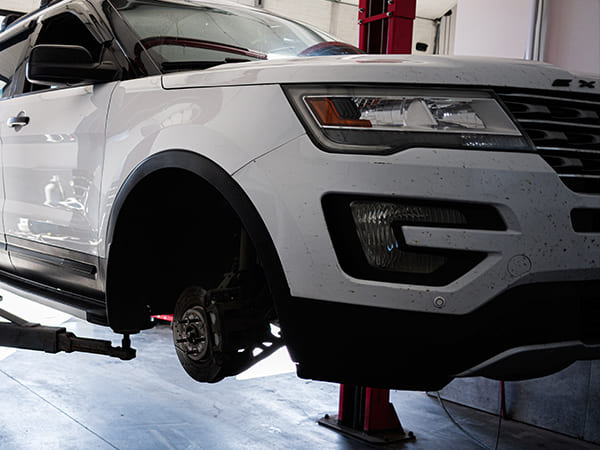
What Ford Brake Repair Really Means
When we talk about Ford brake repair, we’re really talking about keeping your vehicle’s stopping system working the way it should. That includes brake pads, rotors, calipers, and the brake fluid that makes everything work together.
Here in Utah, brakes tend to wear faster than people expect. Long downhill drives, winter roads, and daily commuting all add extra strain. Even if your Ford feels fine, small issues can be building up quietly in the background.
Knowing the basics helps you catch problems early—before they turn into something bigger.
Common Ford Brake Problems in Utah
Worn Brake Pads
This is the one we see the most, hands down. When your brake pads start wearing thin, you’ll usually hear a squeak or grind when you slow down. With all the hills and stop-and-go driving in Utah, pads tend to wear out quicker than people expect.
Warped Rotors
If your steering wheel starts shaking when you hit the brakes, that’s usually a rotor issue. It happens a lot after long downhill drives where the brakes heat up over and over again. That heat can cause the rotors to warp slightly, which is what you’re feeling through the wheel.
Old Brake Fluid
Brake fluid doesn’t last forever, even if everything else seems fine. It slowly absorbs moisture, and Utah’s temperature swings make that happen faster. When it gets old, your brake pedal can start to feel soft or less responsive than it should.
Sticking Calipers
Winter roads can be rough on brake parts. Salt, dirt, and grime can cause calipers to stick, which leads to uneven brake wear. Your steering wheel might tug hard to the left or right while your brake pedal starts feeling spongy.
Why Your Brakes Deserve More Attention Than You Think
Your brakes are the one system you rely on every single time you drive. According to the National Highway Traffic Safety Administration (NHTSA), brake-related problems contribute to thousands of accidents each year.
Good brakes mean:
- Shorter stopping distances
- Better control in bad weather
- Less stress on other parts of your vehicle
- More confidence behind the wheel
You need a dependable ride to handle Utah roads. When you are stuck in a snowstorm on a steep grade, that mechanical consistency becomes your best friend.
Signs Your Ford May Need Brake Service
Keep an eye (and ear) out for these common warning signs:
- Squealing or grinding sounds
- Vibrations when braking
- A soft or spongy brake pedal
- Pulling to one side
- A burning smell after driving downhill
If you notice any of these, it’s a good idea to have your brakes checked sooner rather than later.
Mechanic’s Insight:
“Brakes almost always give you a warning. The trick is listening before it turns into a bigger issue.”
How Often Should You Check Your Brakes?
A good general rule:
- Brake inspections every 12,000 miles
- Brake fluid checks every 2–3 years
- Brake pads replaced between 30,000–70,000 miles
If you drive in the mountains often or deal with heavy traffic, you may need service sooner—and that’s completely normal for Utah driving.
Real-World Example: When Brakes Overheat
A driver from northern Utah came in after noticing a burning smell while coming down a canyon road. The brakes still worked, but the pedal didn’t feel right. Turns out, the pads were worn down and the rotors had overheated from repeated downhill braking.
Catching it early meant a simple repair. Waiting longer could’ve led to much bigger problems. This kind of situation is common around here and a good reminder that Utah driving puts extra stress on brake systems.
Supporting Data: What the Experts Say About Brake Maintenance
Groups like the Brake Manufacturers Council and AAA consistently stress how important regular brake inspections are. AAA reports that properly maintained brakes can reduce stopping distance by up to 30%, especially in emergency situations.
Ford also recommends routine brake checks, particularly for vehicles driven in hilly or high-traffic areas. These aren’t guesses—they’re based on years of testing and real-world data.
Bottom line: regular brake care keeps you safer and helps your vehicle perform the way it should.
Brake Care That Fits Utah Roads
Understanding Ford brake repair basics helps you drive with more confidence and fewer surprises. From knowing the warning signs to understanding how Utah’s terrain affects your vehicle, a little knowledge goes a long way.
Stop by Steve’s Automotive Specialist for a look at your rotors and drums. We live and drive here too, so we know exactly what local roads demand from your car. You get reliable fixes and zero stress.
Scheduling a quick brake inspection keeps your daily commute smooth and prevents costly repairs down the road.
FAQs About Ford Brake Repair
How often should I replace my Ford’s brake pads?
Most last between 30,000 and 70,000 miles, depending on driving habits and terrain.
Why do my brakes squeal in the morning?
Morning moisture can cause temporary noise. If it continues, the pads may be worn.
Is it okay to drive with vibrating brakes?
It’s usually a sign of warped rotors. The car may still stop, but braking performance is reduced.
Do newer Ford models need brake service less often?
They may last longer, but Utah driving conditions still cause wear over time.
Does cold weather affect my brakes?
Yes. Cold temperatures and winter road conditions can impact brake fluid and overall performance.