
Ford exhaust systems face unique challenges in Utah, where road salt and steep mountain grades accelerate corrosion and manifold stress. This guide details common failure points like warped manifolds and clogged catalytic converters, explaining how to distinguish between minor leaks and critical safety risks to ensure vehicle longevity and performance.
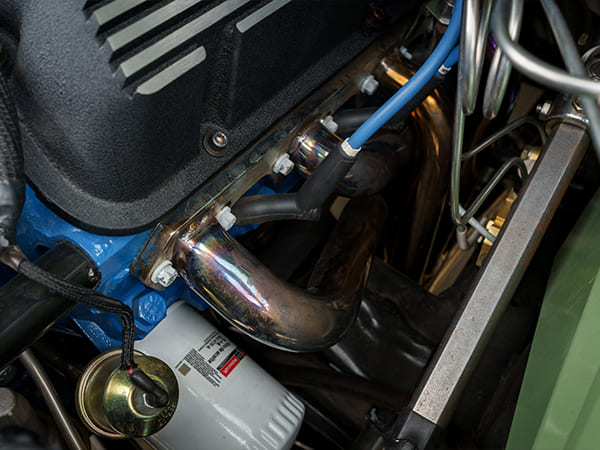
Why Your Ford’s Exhaust System Matters in Utah
The exhaust system on a Ford truck or SUV is more than just a series of pipes designed to quiet the engine. It is a sophisticated emissions control and performance-tuning network. In Utah, the health of this system is directly tied to your vehicle’s ability to handle high-altitude climbs and pass state emissions requirements.
Ignoring a developing exhaust issue doesn’t just result in a louder ride; it leads to decreased fuel economy, potential engine damage due to improper backpressure, and the risk of carbon monoxide entering the cabin. For local drivers, the combination of winter brine and summer heat makes the exhaust one of the most hardworking components of the vehicle.
How the Ford Exhaust System Components Work
To understand repairs, one must understand the flow. Your Ford’s exhaust starts at the cylinder head and travels through several key stages:
- Exhaust Manifold: Collects gases directly from the engine cylinders.
- Catalytic Converter: Chemically converts toxic gases into less harmful emissions.
- Oxygen Sensors: Monitor gas composition to help the engine’s computer adjust fuel delivery.
- Resonator and Muffler: Reduce acoustic noise through sound wave cancellation.
- Tailpipe: Safely vents the remaining gases away from the vehicle.
Common Ford Exhaust Problems and Failure Points
While all vehicles experience wear, certain Ford models have documented tendencies that we frequently encounter in our bays.
Warped Exhaust Manifolds and Broken Bolts
This is perhaps the most common issue seen in Ford F-150s and Expeditions, particularly those with the 3.5L EcoBoost or 5.0L V8 engines. The extreme heat cycles of towing or mountain driving cause the cast-iron manifold to expand and contract. Over time, the manifold can warp, often snapping the rear-most mounting studs.
- The Result: A noticeable “ticking” sound when the engine is cold that may disappear as the metal expands and seals the leak.
Catalytic Converter Efficiency
Utah’s “heavy-duty” driving conditions—short trips in freezing weather or hauling heavy loads up Parleys Canyon—can lead to premature catalytic converter failure. If the engine isn’t reaching its full operating temperature or if it’s burning a small amount of oil, the internal honeycomb structure of the converter can become “poisoned” or clogged.
Corrosion from Road Brine
The magnesium chloride and salt used on Utah roads are highly corrosive. We often see Ford vehicles where the hangers, flanges, or the muffler itself have rusted through. Once the structural integrity of a hanger fails, the entire system vibrates excessively, which can lead to cracks in more expensive components like the Y-pipe.
Recognizing Exhaust Leak Symptoms vs. Root Causes
It is easy to misdiagnose an exhaust leak as an engine knock or a transmission whine. Distinguishing the symptoms is key to an efficient repair.
| Symptom | Potential Root Cause |
| Rhythmic Ticking (Cold Start) | Warped manifold or broken manifold bolt. |
| Loud Roar/Rumble | Hole in the muffler or a disconnected flange. |
| Hissing or Popping | Crack in the exhaust pipe or a leaking gasket. |
| Rotten Egg Smell | Failing catalytic converter (sulfur buildup). |
| Vibration in Pedal | Large leak or a pipe touching the chassis. |
How Utah’s High Altitude Affects Ford Exhaust Performance
Living at 4,000+ feet changes how an engine breathes. At higher altitudes, there is less oxygen, meaning the engine’s computer must work harder to maintain the correct air-fuel ratio. If an oxygen sensor is sluggish or a leak is introducing “unmetered” air into the system, your Ford will struggle with power loss. A healthy exhaust system ensures that the backpressure remains within the specific parameters Ford engineered for these elevations.
Preventive Ford Exhaust Maintenance and Inspections
Most exhaust repairs are reactive—drivers wait until the noise is unbearable or the “Check Engine” light stays on. However, there is a preventive middle ground.
- Visual Inspections: During a standard oil change, we look for “soot” tracks (black carbon buildup) around gaskets and joints. This indicates a leak is starting before you can even hear it.
- Addressing Heat Shields: Loose heat shields are often removed by DIYers, but they serve to protect the underbody and fuel lines from extreme temperatures. Re-securing them prevents long-term heat damage.
What Happens if You Ignore Ford Exhaust System Issues?
Postponing an exhaust repair is a gamble with both safety and finances.
- Safety: An exhaust leak under the cab can allow carbon monoxide to enter the passenger compartment. This is an odorless, colorless gas that causes dizziness and nausea.
- Fuel Costs: When the upstream oxygen sensor receives false readings due to a leak, the computer often over-compensates by dumping more fuel into the engine, significantly dropping your MPG.
- Component Damage: A small leak at the manifold can act like a torch, eventually “burning” the cylinder head or damaging the valves due to localized overheating.
Professional Evaluation for Your Ford
Exhaust work frequently involves high heat, specialized welding, and the extraction of hardened, snapped bolts in tight spaces. While some bolt-on components may seem approachable, the reality of rusted Utah undercarriages often requires professional tools and induction heaters to avoid breaking secondary components.
If you suspect your Ford is losing power, smelling unusual, or making new noises, having a professional at Steve’s Automotive Specialist perform a comprehensive exhaust inspection can provide clarity on whether you’re facing a simple gasket replacement or a more involved manifold repair. For a technical review of your manifold or catalytic converter, feel free to schedule a consultation.
Frequently Asked Questions
Is it safe to drive with an exhaust leak?
It is not recommended. Beyond the noise, there is a genuine risk of exhaust fumes entering the cabin. Furthermore, an unaddressed leak can cause the engine to run “lean,” which may lead to internal engine damage over time.
Why is my Ford ticking only when it’s cold?
This is a classic sign of a warped exhaust manifold or a broken manifold stud. As the engine warms up, the metal expands and temporarily “plugs” the gap, silencing the tick. However, the leak is still present and will eventually worsen.
Will an exhaust leak cause my Check Engine light to come on?
Yes, frequently. If the leak is located before or near the oxygen sensors, it will disrupt the readings sent to the engine’s computer, triggering codes like P0420 (Catalytic Efficiency) or various Lean/Rich codes.
Can I just weld a hole in my muffler?
While small holes can sometimes be patched, rust is usually systemic. If one part of the muffler has rusted through, the rest of the metal is likely thin and brittle, meaning a weld may not hold for long. Replacement is generally the more cost-effective long-term solution.
Prioritize Your Ford’s Exhaust Health
A Ford’s exhaust system is vital for maintaining performance, fuel efficiency, and cabin safety, especially under Utah’s demanding driving conditions. From the common manifold issues in F-Series trucks to the corrosive effects of winter salt, staying ahead of these repairs prevents more costly engine and emissions failures. Adopting a proactive mindset—listening for early signs of ticking or changes in exhaust tone—is the best way to ensure your vehicle remains reliable for years to come.