
A lot of drivers around Utah tell us the same story — they love their car, but that constant exhaust drone on I-15 or during canyon drives? It gets old fast. It’s that deep humming sound that shows up at one specific speed and follows you the whole way home.
And with how close neighborhoods are along the Wasatch Front, that noise doesn’t just stay with the driver — it travels.
That’s why noise-canceling car exhausts in Utah have started getting so much attention lately. The new designs aren’t about making cars boring or quieting them completely. They’re about smoothing the harsh parts of the sound and making the car more comfortable to drive day-to-day.
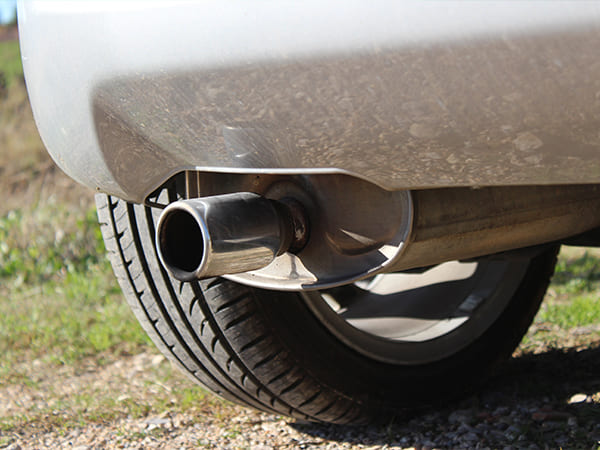
What Is Noise-Canceling Exhaust?
A noise-canceling exhaust doesn’t plug or muffle the exhaust. It works by shaping the sound waves so the annoying tones get reduced.
Modern systems may use:
- Tuned resonators
- Multi-chamber mufflers
- Adaptive exhaust valves
- Vibration-reducing mounts
Some newer systems even blend mechanical parts with electronic control modules to target specific sound frequencies.
5 Innovations in Noise-Canceling Exhaust
Here are some of the most useful upgrades showing up in modern systems today:
Adaptive Valve Exhaust Systems
These systems stay quiet at cruising speeds, then open up for a fuller tone when you accelerate. The best part is that it adjusts automatically based on how you’re driving, so you get comfort when you want it and sound when you enjoy it.
Active Noise-Canceling Resonators
These are designed to target the exact exhaust frequencies that cause freeway drones. Instead of just quieting everything, they smooth out the annoying tones while keeping the exhaust sounding clean and natural.
Dual-Stage Muffler Chamber Designs
This design helps smooth out exhaust pulses so the sound feels cleaner instead of deep and boomy. Drivers usually notice the car feels calmer inside, especially at steady highway speeds.
Acoustic & Vibration-Reducing Mounts
These mounts help stop excess noise and vibration from traveling into the cabin. It makes a noticeable difference on rough Utah roads where bumps and road texture can make exhaust vibration feel louder.
Hybrid Mechanical + Electronic Sound Control
This setup blends tuned exhaust hardware with smart electronic controls to fine-tune sound more precisely. It gives a nice balance — refined and comfortable when cruising, with better tone when accelerating.
All of these innovations aim to refine the exhaust sound — not silence it.
Driving still feels engaging — just calmer and easier on the ears.
Why These New Exhaust Innovations Matter
| Area | What It Means for Everyday Drivers |
| Purpose | Not just for enthusiasts — especially helpful for commuters and long-distance drivers. |
| Research Insight | SAE International reports that tuned exhaust frequency control can reduce cabin noise at certain RPM ranges. |
| Real-World Benefits | Less drone on freeway commutesSmoother interior sound at cruising speedCleaner tone during accelerationLess fatigue on long drives |
| Where Drivers Notice It Most | Long daily freeway stretchesVehicles with performance-style exhaustsCars that sound fine in town but drone at speed |
Case Study: A Utah Driver With a “Freeway Drone” Problem
Maria from Salt Lake County came in with a sporty sedan that sounded great when accelerating… but at about 70 mph on the freeway, it turned into a deep, steady drone.
She said it made the drive home feel tiring — even when everything else about the car felt perfect.
We installed a noise-canceling exhaust setup with a tuned resonator and adaptive valve control. The car still had a nice tone when accelerating, but the drone at cruising speed disappeared.
After a week of driving, she came back and told us:
“It finally feels like a car I actually want to drive every day.”
That’s where innovations in noise-canceling exhaust design really shine — they make performance-minded cars more comfortable for real-world Utah driving.
How Modern Exhaust Technology Is Tested and Validated
Long-standing engineering groups, manufacturer test programs, and research sources such as SAE International have documented improvements in areas like:
- Tuned resonators reducing peak cabin noise levels
- Electronic exhaust valves improving mixed driving comfort
- Acoustic dampening lowering vibration transfer into the cabin
Mechanics see the same thing in the real world.
A properly designed noise-canceling exhaust isn’t a gimmick — it’s a combination of acoustics, engineering, and tuning that helps cars sound cleaner and feel more refined while driving.
Of course, every car is different. Engine size, exhaust layout, and driving habits all affect what kind of setup makes sense.
How Utah Roads Change the Way Exhaust Noise Feels
Utah isn’t like every other driving environment.
A few things make exhaust noise behave differently here:
- Canyon walls reflect and amplify sound
- Higher-altitude roads can change engine tone
- Long freeway stretches lock engines into one RPM range
That’s why noise-canceling car exhausts in Utah tend to benefit people who:
- Commute across counties
- Enjoy spirited canyon driving
- Want a refined sound instead of a loud one
It’s less about volume — more about comfort, tone, and balance.
Smarter Exhaust Technology for Smoother Utah Drives
Innovations in noise-canceling car exhausts in Utah are making daily driving quieter, smoother, and way more comfortable — especially across our mix of canyon roads, neighborhood streets, and long freeway routes.
Today’s systems blend engineering, acoustic tuning, and real-world mechanic experience to reduce harsh tones while keeping your car’s character intact.
When drivers want clear, practical guidance from technicians who understand Utah roads and modern noise-canceling exhaust design, Steve’s Automotive Specialist offers thorough inspections, honest explanations, and balanced recommendations based on experience and trusted industry standards.
Reach out anytime if you’d like a trusted technician to check your exhaust tone and talk through your options.
Noise-Canceling Exhaust FAQs
What makes a noise-canceling exhaust different from a regular exhaust?
Instead of just quieting sound, it targets and reduces the specific frequencies that cause drones at certain speeds.
Will a noise-canceling exhaust hurt performance?
When properly matched and installed, performance usually stays the same — the tone just becomes smoother and more controlled.
Is this worth it for daily-driven cars in Utah?
For a lot of commuters and canyon drivers, yes — especially if freeway drone is the main complaint.
Does every car benefit from this kind of exhaust setup?
Not every vehicle needs it, but many cars with droning or harsh tone issues can benefit from tuning or component updates.
How do I know whether my exhaust noise can be improved?
If the noise only happens at certain speeds or RPM ranges, that’s a strong sign it may be fixable with the right exhaust tuning approach.