
Passing 60,000 miles requires proactive Land Rover maintenance to prevent mountain climate wear. Key priorities include replacing differential and transfer case fluids, inspecting air suspension bladders and control arm bushings, and pressure-testing plastic cooling pipes. Routine evaluation of drive belts and brake fluid ensures lasting performance across Utah’s demanding terrains.
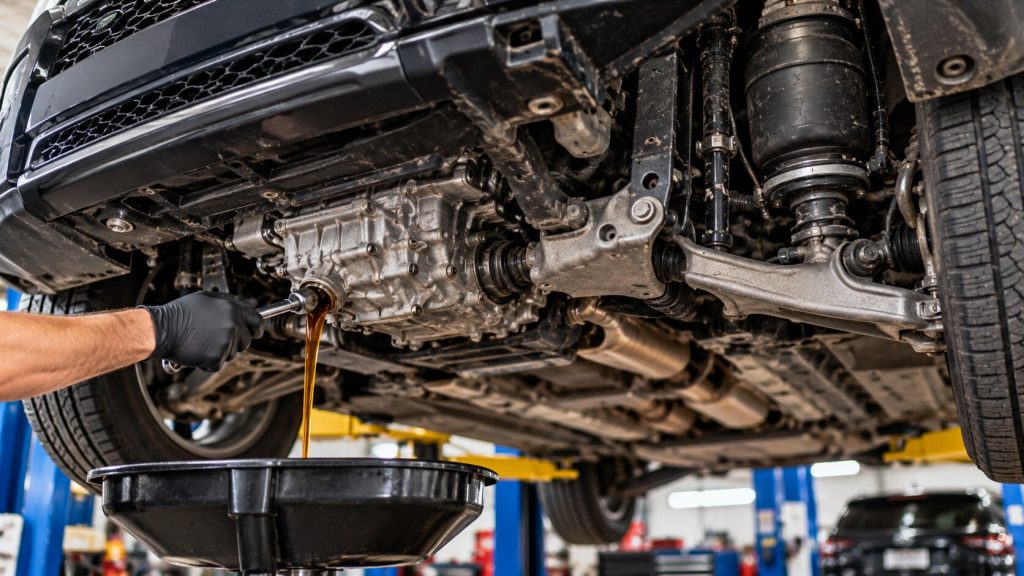
Land Rover models passing the 60,000-mile mark require structured preventative fluid flushes, drivetrain inspection schedules, and rubber bushing evaluations before mountain climate stresses accelerate wear. Crossing this milestone transitions your vehicle from simple oil changes into a proactive stage where factory service history and component testing determine longevity. We help local drivers anticipate these milestone requirements so their vehicles handle Wasatch Range elevation climbs and winter road salt without unexpected breakdowns.
Navigating the 60,000 Mile Milestone for Your Land Rover
Reaching 60,000 miles marks a major transition for your Land Rover. Most factory warranties end around this time, which means staying ahead of preventative maintenance falls entirely on your schedule. We start by reviewing your vehicle’s full service history so we know exactly which original factory fluids need changing and which parts need testing right away.
Driving along the Wasatch Front puts extra wear on your Land Rover compared to flat, mild climates. Steep altitude shifts put added strain on your cooling system, while harsh winter road salts quickly dry out exposed rubber boots, seals, and suspension parts. Catching these wear items early prevents costly breakdowns when you are out on the road.
Evaluating Essential Powertrain and Drivetrain Fluid Health
Your transfer case and differentials work hard to power all four wheels through Salt Lake winters and mountain trails. Over 60,000 miles, this specialized fluid breaks down and collects tiny metal particles from normal gear friction. Flushing out the old fluid removes these abrasive bits and protects the internal gears from overheating or grinding.
Transmission fluid is just as vital because it keeps your gears shifting smoothly under heavy loads. Heat degrades the fluid over time, which can make your shifts feel rough or delayed when driving up steep mountain passes. Replacing the transmission fluid along with a fresh fluid filter pan keeps your gear shifts crisp and responsive.
Important Shop Note: Modern electronic transfer cases rely on fresh, clean fluid to grip internal clutch plates smoothly. Waiting too long past 60,000 miles can cause a shuddering or chattering feeling during tight, low-speed turns in parking lots.
Inspecting Air Suspension Components and Rubber Seals
The rubber air bags and seals in your air suspension system bend and flex constantly every time you drive. By 60,000 miles, tiny cracks can start to form in these rubber air struts, allowing small air leaks to develop. When this happens, your air compressor has to run constantly to keep the vehicle at the right height, which can quickly burn out the compressor motor.
Your suspension control arm bushings act as rubber cushions that absorb bumps, potholes, and rough roads. As this rubber ages and hardens, oil-filled hydraulic bushings often crack and leak their internal fluid, leading to loose steering or extra cabin vibration. Checking these rubber bushings for play keeps your suspension tight and your tires wearing evenly.
- Air Strut Rubber: Inspected for surface cracking, dry rot, and air leaks around the bottom seals.
- Suspension Compressor Relay: Tested to make sure the motor is not running too hot or pulling too much electrical power.
- Control Arm Bushings: Checked for fluid leaks, torn rubber, and loose movement.
- Stabilizer Bar Links: Inspected for damaged rubber boots and loose ball joints.
Cooling System Vulnerability and Thermal Degradation
Land Rover engine bays run extremely hot, and that engine heat bakes plastic parts over time. By 60,000 miles, plastic cooling pipes, thermostat housings, and hose connectors become brittle and fragile. We pressure-test the cooling system to spot hairline cracks and tiny leaks before a pipe snaps and causes engine overheating on the highway.
Engine coolant also loses its protective qualities as it ages. Old coolant becomes acidic, which can corrode internal aluminum engine parts and clog up your radiator passages. Flushing out the old coolant and refilling the system with fresh long-life coolant keeps your engine running at safe temperatures during hot summer drives up Parleys Canyon.
Brakes, Belts, and Auxiliary Drive Systems
Your drive belt turns continuously under heavy tension to power critical parts like your alternator and water pump. By 60,000 miles, drive belts stretch out and develop small cracks across the rubber ribs. Inspecting the belt and its tensioner pulleys ensures your charging and cooling systems keep running smoothly without squealing or failing.
Brake fluid naturally draws in moisture from the air over time, which lowers its boiling point and causes internal corrosion inside your brake lines. When brake fluid gets old, hard mountain braking can cause the fluid to overheat, resulting in a soft or spongy brake pedal. Flushing the hydraulic brake lines with fresh fluid gives you a firm pedal and dependable stopping power.
- Drive Belt: Inspected for cracks, frayed edges, and proper pulley alignment.
- Brake Fluid: Tested for moisture buildup to ensure safe stopping power.
- Braking System: Measured for brake pad thickness, rotor surface wear, and smooth caliper movement.
- Engine Air Filters: Checked for trapped dirt, dust, and road debris from mountain driving.
Building a Personalized Long Term Maintenance Strategy
Every Land Rover is driven differently, so a customized maintenance plan works much better than a generic checklist. Vehicles used for towing trailers or tackling off-road trails need fluid changes sooner than those driven mostly on the freeway. We look at your daily driving habits and test your vehicle’s fluids to map out an easy, sensible schedule for future visits.
Keeping detailed records of your belt condition, fluid health, and suspension wear gives us a clear picture of your vehicle over time. This lets us catch wear patterns early and replace aging parts on your terms, long before they leave you stranded. Working together keeps your Land Rover ready for every mountain trip and winter storm ahead.
Addressing Wasatch Range Altitude Wear
When your Land Rover approaches major service milestones, having experienced local technicians perform thorough diagnostic evaluations makes all the difference for your vehicle’s reliability. Steve’s Automotive Specialist provides dedicated preventative maintenance tailored specifically to Wasatch Range driving conditions and altitude demands.
Visit us at 2809 S 2300 E, Salt Lake City, UT 84109 to discuss your maintenance goals. Contact our team today to schedule your next inspection in Salt Lake City and keep your vehicle performing at its best.
Frequently Asked Questions
What maintenance does a Land Rover need at 60,000 miles?
At 60,000 miles, main priorities include changing transfer case and differential fluids, checking air suspension bags and bushings, and inspecting plastic cooling pipes for cracks. We also test brake fluid for moisture, check drive belts, and replace dirty air filters.
Why is changing transfer case fluid necessary at this mileage stage?
Transfer case fluid breaks down from heat and friction over 60,000 miles, losing its ability to protect internal gears and clutches. Fresh fluid clears out metal particles and prevents rough chattering during sharp turns.
Should cooling system components be replaced at 60,000 miles?
Yes, plastic coolant pipes and thermostat housings turn brittle from engine heat by 60,000 miles. Inspecting these parts and pressure-testing the system catches weak spots before a pipe cracks and causes engine overheating.
How does Salt Lake City driving affect maintenance timing?
Mountain climbing and winter road salt put extra thermal stress on fluids and cause quicker wear on underbody rubber parts. Local Land Rovers usually need fluid flushes and suspension checks earlier than vehicles driven in flat, mild areas.