
Land Rover transfer case binding and low-speed shudder typically stem from fluid degradation, electronic actuator motor miscalibration, or uneven tire rolling circumferences. When internal multi-plate clutch packs fail to release cleanly during tight turns, driveline binding occurs. Proper diagnostic testing isolates transfer case faults from differential wear and wheel vibration.
When navigating tight parking spots or pulling into steep mountain driveways across Utah, low-speed driveline binding signals an active breakdown inside your Land Rover’s transfer case multi-plate wet clutch assembly. This shuddering or scrubbing sensation occurs directly on Range Rover, Sport, and LR4 models whenever the central clutch plates fail to disengage during sharp cornering. Left unaddressed, persistent driveline windup rapidly accelerates internal friction plate wear and risks severe shock-load damage to connected front and rear differentials.
Why Land Rovers Experience Transfer Case Binding in Low Speed Turns
Land Rover four-wheel-drive systems use a middle gearbox called a transfer case to split engine power between your front and rear wheels. Inside this gearbox is a stack of small clutch plates that squeeze together or loosen up automatically. When you turn sharply into a parking space anywhere in Utah, your front wheels need to spin faster than your rear wheels.
If these clutch plates stick together instead of sliding smoothly, your front and rear axles get locked at the same speed. This causes your tires to scrub across the pavement, creating a harsh shuddering or vibrating feel through your vehicle floorboard.
The Core Causes Behind Transfer Case Clutch Pack Binding
When we inspect Land Rovers with driveline shudder, we usually trace the problem back to one of four main catalysts:
- Fluid Breakdown: Specialty transfer case fluid contains protective additives that allow clutch plates to slip smoothly. Mountain driving and Utah summer heat break down these additives over time, causing the metal plates to grab and chatter during slow turns.
- Actuator Motor Sensor Drift: An electric motor on the outside of the transfer case controls how tightly the internal clutches are squeezed. When its internal position sensor drifts out of calibration, it squeezes the clutches too hard when they should be resting.
- Unequal Tire Sizes: Running tires with different tread depths across your axles forces the middle differential to work constantly. Even a tiny 2/32-inch difference in tread depth makes the system slip continuously, overheating the fluid.
- Glazed Clutch Plates: Operating your vehicle on burnt fluid allows tiny bits of worn material to bake onto the clutch surfaces. This creates a slick, glazed finish that violently grabs instead of slipping linearly.
How Degraded Fluid Forces Low Speed Driveline Shudder
Transfer case fluid acts like oil in an engine and hydraulic fluid in a brake line at the same time. When fresh, it forms a protective cushion between the metal clutch plates so they glide over each other under light pressure.
As miles add up under Utah weather and terrain, severe heat shears down the fluid’s protective layer. Without this fluid cushion, the metal plates enter a “stick-slip” cycle during sharp turns. The clutches momentarily catch, build up twist tension in your driveshafts, and then pop free. This rapid sticking and releasing is the low-frequency vibration you feel inside the cabin.
Isolating Transfer Case Binding From Differential and Wheel Issues
Vibrations can come from several parts under your car, so we test specific driving conditions to make sure we fix the right component:
- Checking Your Speed: Transfer case binding happens almost exclusively under 15 mph during sharp turns. Unbalanced wheels or bad tires produce vibrations at higher speeds between 45 and 70 mph.
- Testing Steering Lock: Noise from a failing differential or broken axle joint stays present whether driving straight or turning. Transfer case binding disappears as soon as you straighten your steering wheel.
- Electronic Testing: When we temporarily disconnect the transfer case control motor during testing, it releases clutch pressure. If the shudder stops instantly while turning, we know the issue is directly inside the transfer case clutch logic.
Diagnostic Steps We Take to Verify Transfer Case Integrity
To catch the root cause accurately without throwing unnecessary parts at your vehicle, we run through four clear steps:
- Digital Diagnostic Scan: We plug factory diagnostic software into your Transfer Case Control Module to read hidden fault codes, motor pressure values, and fluid temperature histories.
- Measuring Tire Circumference: Using a flexible measuring tape around the center of all four tires, we verify overall rolling size. Any difference over 1/2 inch in total outer circumference indicates your tires are forcing driveline binding.
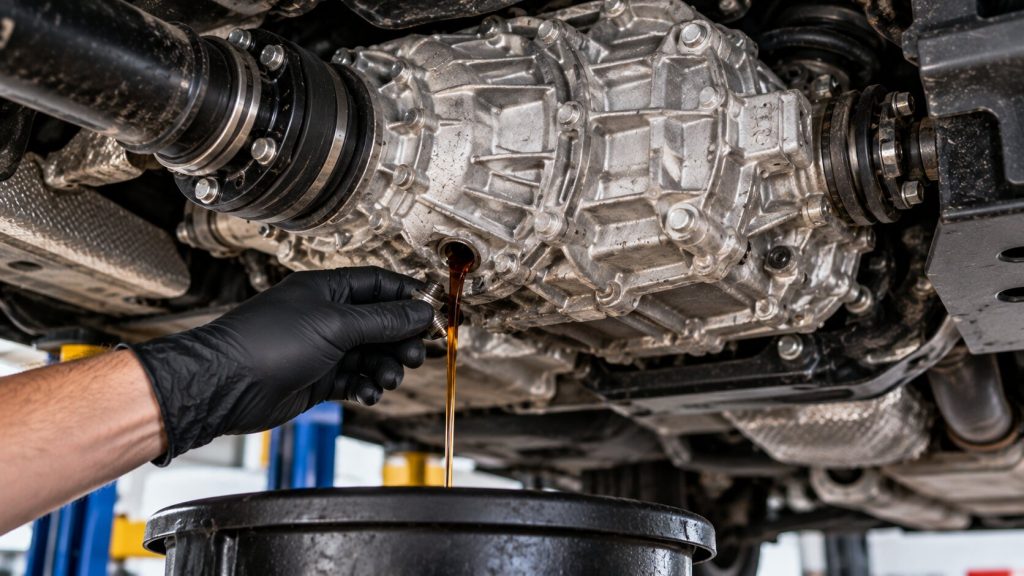
- Fluid Inspection: We drain a small fluid sample into a clear container to inspect its color, burnt smell, and clarity. Checking the magnetic drain plug shows us if dark metal silt or shiny metallic flakes are circulating inside.
- Computer Recalibration: If your fluid looks healthy, we run an automated clutch relearn procedure using our diagnostic software. This resets the electronic motor position and clears out old sensor memory.
Preventing Long Term Damage to Your Driveline
Ignoring a low-speed transfer case shudder puts continuous heavy shock loads on surrounding components. Over time, this constant binding wears down front and rear differentials, tears rubber driveshaft couplers, and damages axle joints. Performing a routine fluid flush and computer reset early is far less expensive than replacing the entire transfer case assembly.
Stop Driveline Shudder Before It Spreads
If you feel a shudder or dragging sensation when turning your Land Rover at low speeds anywhere in Utah, continuing to drive can cause compounding damage to your four-wheel-drive system. We use factory-level diagnostic tools and proven service protocols to pinpoint and solve transfer case binding accurately.
Visit Steve’s Automotive Specialist at 2809 S 2300 E, Salt Lake City, UT 84109, or contact us directly to schedule your driveline evaluation today.
Frequently Asked Questions
Can I drive my Land Rover with a shuddering transfer case?
No, prolonged driving with an active transfer case shudder is not recommended. Continuous binding places severe torsional strain on your differential gears, driveshafts, and internal clutch plates, leading to costly secondary damage.
Will a transfer case fluid change fix low-speed binding?
Yes, a fluid change resolves low-speed binding in early stages when caught before physical clutch damage occurs. Draining worn fluid and refilling with fresh fluid containing active friction modifiers restores smooth plate slipping in most vehicles.
How do mismatched tires damage my Land Rover transfer case?
Tires with different circumferences force your front and rear axles to rotate at slightly different speeds even when driving straight. This constant speed difference forces the transfer case clutch pack to continuously slip and overheat, ruining the fluid.
How often should Land Rover transfer case fluid be replaced?
Replacing transfer case fluid every 30,000 to 50,000 miles is ideal for vehicles driven across Utah terrain or extreme mountain weather. While factory schedules suggest longer intervals, severe driving conditions require shorter service windows to protect internal clutches.
