
Driving in Utah is no joke for your engine. One day you’re cruising on I-15, the next you’re pulling a trailer up a steep canyon road, and by nightfall the temperature has dropped 30 degrees. That kind of swing puts real stress on your vehicle — especially when it comes to common Ford engine problems.
A lot of local drivers are surprised when their Ford starts acting up earlier than expected. But when you mix mountain climbs, dry heat, winter cold, and high elevation, even well-built engines feel it. Knowing what usually goes wrong helps you stay ahead of trouble.
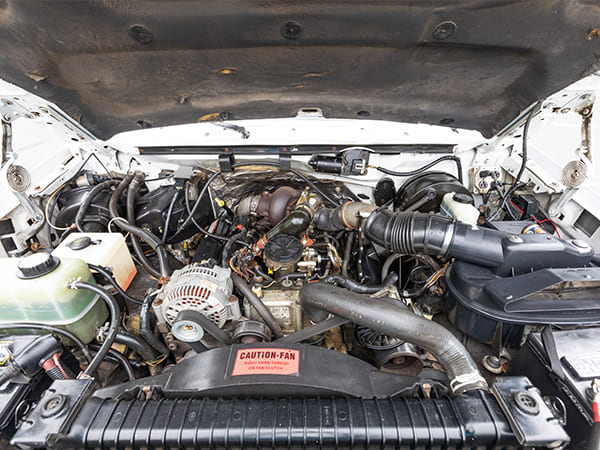
What Are Common Ford Engine Problems?
When mechanics talk about common Ford engine problems, they’re talking about the issues that show up again and again in certain Ford models. Things like timing chains wearing out, turbos losing power, coils failing, and engines running hotter than they should.
These problems don’t mean Ford makes bad vehicles. It just means some parts wear faster, especially in places like Utah where engines have to work harder just to do normal driving.
Common Ford Engine Problems Utah Drivers Run Into
These are the engine issues Utah drivers see most often in their Fords, especially with the extra strain from mountain driving, weather changes, and long highway miles.
- Timing Chain Wear
Some Ford engines use timing chains that slowly stretch as the miles add up. You might hear a rattling noise on cold starts or feel the engine running a little rough. Utah’s chilly mornings tend to make this problem a lot more obvious.
- Turbo Trouble
Ford’s turbo engines are great when they’re healthy, but heat, hills, and towing really work them hard. When a turbo starts wearing out, the truck can feel sluggish or struggle when you hit the gas. A lot of Utah drivers notice it first when climbing canyons or merging onto the freeway.
- Bad Ignition Coils
When an ignition coil goes bad, the engine can shake, misfire, or flash the check engine light. It’s one of those problems that usually sneaks up as the miles pile on. The good news is it’s common, so it’s something mechanics can spot and fix pretty quickly.
- Coolant Leaks
Coolant leaks might start small, but they can cause big trouble if they’re ignored. Once the coolant drops, the engine starts running hot, which is risky on long Utah drives. Catching a leak early keeps things from turning into a much bigger headache.
- High Oil Use
Some Ford engines use oil faster than drivers expect, even when there’s no puddle on the ground. When oil runs low, the engine has to work harder and wears out faster. That’s why checking your oil now and then really does make a difference.
Why Paying Attention Early Makes Life Easier
Most engine problems don’t show up overnight. They usually start with a noise, a shake, or a warning light that’s easy to brush off. But those little signs are how your Ford asks for help before something serious happens.
AAA reports that engine trouble is one of the top reasons people end up stuck on the side of the road. And as one old-school mechanic likes to say,
“Cars always give you hints. Folks just wait too long to listen.”
When you catch common Ford engine problems early, your vehicle runs smoother, lasts longer, and keeps you from dealing with surprise breakdowns on Utah highways.
Real-World Example: A Local Ford That Almost Missed Its Chance
A driver from Layton brought in a 2017 Ford F-150 that made a rattling sound every cold morning. He figured it was nothing. Turns out the timing chain was starting to stretch — one of the most common Ford engine problems in that model.
Fixing it early kept the engine safe. Waiting a few more months could have meant a full engine failure. And nobody wants that to happen halfway up a snowy canyon road.
What the Big Auto Groups Say
Groups like Consumer Reports and J.D. Power have been tracking vehicle reliability for decades. Their studies show that engine and transmission issues are some of the most common long-term problems across all brands — including Ford.
The National Highway Traffic Safety Administration (NHTSA) has also released service bulletins for certain Ford engines involving oil use, misfires, overheating, and turbo concerns. That lines up with what mechanics see every day, especially here in Utah where engines get pushed harder.
This kind of data backs up what drivers already experience with common Ford engine problems.
Why Utah Makes These Problems Show Up Sooner
Higher elevation means less oxygen. That makes engines and turbos work harder. Add dusty roads, hot summers, and freezing winters, and you’ve got the perfect recipe for engine wear.
That’s why common Ford engine problems seem more noticeable here than in flatter, milder places.
Mechanic Tips That Actually Help
- “Let your Ford warm up on cold mornings.” It protects internal parts.
- “Check your oil once a month.” Especially on engines that burn oil.
- “A warning light is your car talking.” It’s better to listen early.
These small habits really help reduce common Ford engine problems over time.
Keeping Your Ford Strong on Utah Roads
Utah drivers face unique conditions, and that means engines face extra stress. By understanding common Ford engine problems — from timing chains to turbos and overheating — you can spot trouble early and keep your vehicle dependable.
When you need help, Steve’s Automotive Specialist offers engine diagnostics, repairs, and maintenance designed for the way Utah drivers actually use their vehicles. If something feels off, scheduling a quick check is an easy way to get answers and keep your Ford running confidently for many more miles.
Ford Engine Problems FAQs
Why do some Ford engines rattle when cold?
That rattling sound is often a timing chain starting to wear out. Cold Utah mornings make it easier to hear before the engine warms up.
Do turbocharged Fords break more often?
They don’t break more often, but they do have more parts working harder. That extra complexity means more chances for common Ford engine problems to show up over time.
How can I tell if my Ford is overheating?
Keep an eye on the temperature gauge and any warning lights on your dash. Steam or a hot smell from the front of the vehicle is also a sign you should pull over.
Is a rough idle a big deal?
Sometimes it’s something small, like a spark plug or coil starting to fail. But many Ford engine problems begin this way, so it’s always worth checking out.
How often should I get my Ford checked in Utah?
Once a year is a good baseline for most drivers. If you tow, drive in the mountains, or notice warning lights, it’s smart to have it looked at sooner.