
Every drive in Utah asks a lot from your Ford, whether you’re navigating winter streets in Salt Lake City or tackling mountain grades in Park City. Your transmission is working hard through all of it, shifting, adjusting, and carrying the load mile after mile. When it starts slipping, shifting weird, or making noises, it’s natural to feel a little worried.
Diagnosing Ford transmission issues in Utah isn’t just about fixing a car, it’s about knowing whether you can trust your vehicle on those long canyon drives or winter commutes.
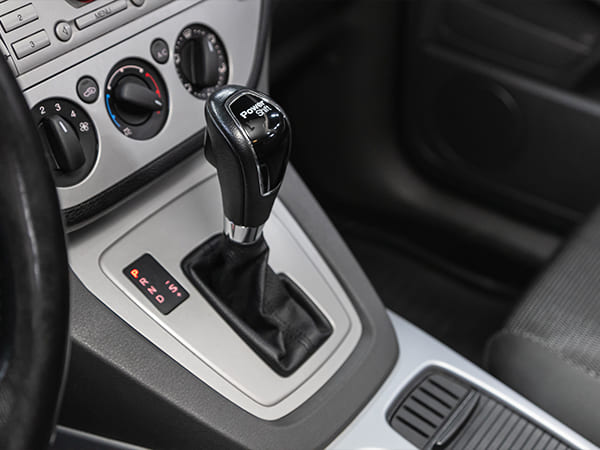
What Does Diagnosing Ford Transmission Issues Really Mean?
When people hear the word “diagnosis,” they often think it just means plugging in a scanner. In reality, diagnosing Ford transmission issues is about figuring out why your Ford is acting up. That includes checking how it shifts, how the fluid looks, and how the transmission’s computer is talking to the rest of the vehicle.
Utah’s climate and terrain add extra pressure. Cold mornings, steep hills, and towing boats or campers all change how your transmission behaves, which is why a local, hands-on diagnosis matters so much.
How to Diagnose Ford Transmission Issues
- Pay attention to the sounds
Whining, clunking, or grinding when your Ford shifts is never a good sign. One mechanic likes to say, “Transmissions complain before they quit,” and he’s not wrong. Those noises are your vehicle’s way of telling you something inside isn’t happy.
- Notice how it shifts
Does it hesitate when you put it into gear or feel like it slams into the next one? Maybe it slips a little when you’re climbing Utah’s hills or getting onto the highway. Those driving feelings are a big part of diagnosing Ford transmission issues.
- Scan the computer
Your Ford keeps a detailed record of what’s going on inside the transmission. A professional scan tool can read trouble codes and live data that a dashboard light can’t explain. That information helps pinpoint what’s really causing the problem.
- Look at the fluid
Good transmission fluid should be clean and reddish in color. If it looks dark or smells burnt, that usually means heat or wear is happening inside. Checking the fluid is one of the first and most helpful steps in a proper diagnosis.
Why Diagnosing Transmission Issues Early Really Helps
When your Ford starts acting strange, most people just hope it goes away. The truth is, diagnosing Ford transmission issues early gives you peace of mind and keeps small problems from turning into big headaches later on.
Here’s a simple way to look at what early diagnosis actually does for you:
| What You Notice | What a Diagnosis Can Find | Why It Helps You |
| Rough or jerky shifting | Worn solenoids or dirty fluid | Helps your Ford shift smoothly again |
| Slipping on hills | Low pressure or clutch wear | Keeps you confident on Utah’s mountain roads |
| Delayed gear engagement | Sensor or software issues | Gets rid of that awkward pause when shifting |
| Burning smell | Overheating or fluid breakdown | Protects internal parts from damage |
| Dashboard warning light | Stored transmission codes | Shows exactly what your Ford is trying to tell you |
Mechanic’s insight:
“A good diagnosis is like a road map. It tells you where the problem is instead of just guessing.”
That’s what makes diagnosing Ford transmission issues so valuable. Instead of throwing parts at the problem, you get clear answers and a plan that actually makes sense for how you drive in Utah.
Why Utah Is Hard on Transmissions
Higher elevation means less engine power, which makes the transmission work harder. Long downhill drives and towing add heat. Cold winters thicken fluid and delay shifting. All of this means Utah Fords face challenges that other vehicles never see.
That’s why diagnosing Ford transmission issues here takes local experience, not just a generic checklist.
Common Myth About Transmission Problems
A lot of people think transmission trouble automatically means a rebuild, but that’s not true. The Automatic Transmission Rebuilders Association (ATRA) reports that a large share of transmission complaints are resolved with fluid service, electronic repairs, or valve body work rather than full rebuilds.
That’s why proper diagnosing Ford transmission issues can make a huge difference in how simple or complex the solution really is.
Real-World Example: How an F-150 Transmission Was Saved
One Ford F-150 owner in Salt Lake noticed his truck didn’t feel right while pulling a small trailer through Weber Canyon. The gears kept searching, and sometimes it felt like it slipped before catching again. He figured it was just age.
After properly diagnosing Ford transmission issues, a technician found the fluid was contaminated and a shift solenoid was starting to fail. Fixing it early kept the internal parts from wearing out, and that truck still handles Utah’s hills just fine today.
Supporting Data: What the Pros Say About Transmission Health
The Society of Automotive Engineers (SAE) explains that modern automatic transmissions depend on clean fluid and accurate electronic signals to control pressure and timing. Even a small amount of contamination can throw things off.
Ford has also released multiple technical service bulletins (TSBs) over the years showing that rough or delayed shifting in certain models is often tied to software or sensor problems. That’s why guessing never works. Diagnosing Ford transmission issues takes the right tools and real-world testing.
Your Ford Deserves the Right Diagnosis
Today’s transmissions are too smart and too complex for guesswork. Between software, hydraulics, and mechanical parts, everything has to be in sync. Utah’s roads just make it more important to get it right.
Accurate diagnosing Ford transmission issues gives you answers instead of worries.
Confidence Starts with a Proper Check
Diagnosing Ford transmission issues means understanding how your vehicle handles Utah’s weather, hills, and daily driving. From fluid checks to scan tools and road tests, every step helps reveal what’s really going on.
Our experienced technicians work on Ford vehicles every day, using proven diagnostic methods and explaining the results clearly so drivers always know where they stand.
For more helpful guidance, take a moment to read our related blog post on preventing common Ford drivetrain problems. Reach out to Steve’s Automotive Specialist whenever you’d like a friendly, professional transmission check.
FAQs About Diagnosing Ford Transmission Issues
How do I know my Ford needs a transmission check?
Slipping, delayed shifting, burning smells, strange noises, or warning lights are all signs that diagnosing Ford transmission issues is a smart next step.
Does Utah’s cold weather affect my transmission?
Yes. Cold thickens fluid and can cause rough or delayed shifts, which makes diagnosis even more important.
Can a check-engine light mean transmission trouble?
Absolutely. Many Ford transmission problems trigger the same warning light as engine issues.
Can I diagnose transmission problems at home?
Basic checks help, but professional scan tools and pressure tests give much more accurate results.
Do small problems really turn into big ones?
They do. According to ATRA, many major failures start with minor issues that were ignored too long.