
That little amber Ford check engine light has a way of grabbing your attention at the worst possible time. Maybe you’re heading to work on I-15, driving home from the mountains, or just pulling out of a grocery store parking lot. The car feels fine, but that light is staring back at you.
This happens to almost everyone driving across the Beehive State. Climbing steep hills, surviving freezing nights, or pushing through desert heat on the freeway can trigger that warning. Knowing what it actually means helps take the stress out of the situation and keeps you from guessing.
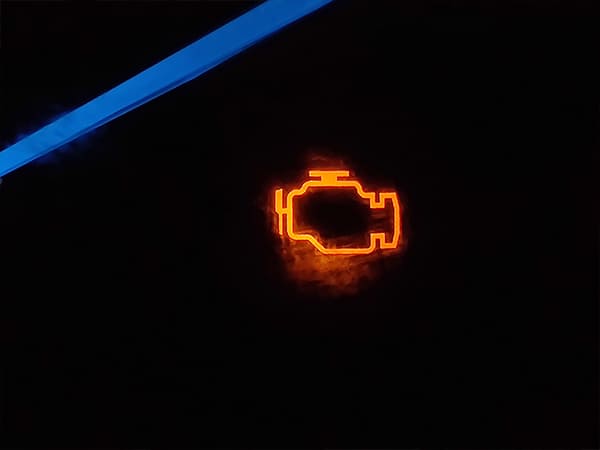
What Is the Ford Check Engine Light?
The Ford check engine light is your vehicle’s way of saying something isn’t operating exactly as expected. It doesn’t automatically mean something is broken, but it does mean the car’s computer noticed a reading that’s outside its normal range.
In Utah, this happens more often than people think because cold mornings can affect sensors, higher elevations can change how air and fuel mix, and even something as simple as refueling on a freezing day can trigger the light. In those moments, the car is doing its job by letting you know early.
Common Reasons Ford Check Engine Lights Come On
After years of working on Ford vehicles in this state, certain patterns show up again and again. Some of the most common causes include:
- A loose or worn gas cap, especially during cold weather
- Oxygen sensor issues that develop over time
- Evaporative emissions system problems caused by temperature swings
- Ignition issues, often tied to spark plugs or coils
Mechanic’s insight: “Cars don’t overreact. They just report what they see.”
How a Check Engine Light Affects Emissions in Utah
It’s easy to ignore the light when the vehicle still drives normally, which is why so many drivers do, even though engine and emissions issues often don’t show obvious symptoms right away.
According to the Environmental Protection Agency, unresolved engine faults can increase emissions and fuel use long before performance drops. In Utah, that matters because emissions testing is strict, and a check engine light almost always leads to a failed test. Taking care of it sooner usually keeps things simpler.
How Utah’s Weather and Roads Affect That Light
Utah weather puts extra stress on vehicles. Cold winters affect batteries and seals. Hot summers push cooling and ignition systems harder. Spring and fall temperature swings are prime time for warning lights to appear.
Dusty back roads and construction zones can also impact airflow sensors. None of this is unusual, but it does mean regular checks are especially helpful for local drivers.
Can You Keep Driving with the Light On?
Here’s the practical answer most mechanics give.
A solid Ford check engine light usually means you can keep driving for a short time, but you should plan to have it checked soon. A flashing light is more serious and often points to a misfire that can damage major components quickly.
A simple rule many shops follow is:
“Solid light — schedule it. Flashing light — stop driving.”
That advice matters even more in Utah, where long distances and remote roads can turn a small problem into a big inconvenience.
Tips from the Shop Floor
Here are a few habits mechanics often recommend to Ford owners:
- Tighten the gas cap until it clicks every time
- Don’t clear warning lights without understanding the cause
- Pay attention to changes in how the car feels or sounds
- Get diagnostics done before emissions testing, not after
Mechanic’s quote:
“The scan doesn’t judge. It just explains.”
Real-World Example: Check Engine Light on a Utah Commute
A driver from northern Utah noticed their Ford check engine light during a daily commute. The car felt completely normal, but the light stayed on for several days. When it was finally checked, the diagnostic scan revealed:
- A small evaporative system leak
- A cracked hose weakened by cold mountain temperatures
- No immediate performance issues, which made the problem easy to overlook
Because it was caught early, the repair was simple and limited. If the driver had kept ignoring the light, it likely would have led to:
- Additional warning lights turning on
- A failed emissions test
- More time spent troubleshooting a bigger issue later
This kind of situation is common in Utah, especially during colder months when rubber hoses and seals take extra stress.
Supporting Data: What Engineers Say About Warning Lights
Automotive engineers explain that modern vehicles depend on precise sensor data to manage fuel, air, and emissions. Even small inconsistencies can trigger warning lights, especially in places with higher elevation like Utah.
Ford’s own service guidance consistently recommends checking the cause of a check engine light as soon as it appears. The goal isn’t panic — it’s information. A proper diagnostic scan tells you what’s actually happening instead of leaving you to guess.
Turning a Check Engine Light Into Clear Next Steps
A Ford check engine light doesn’t have to create anxiety or lead to rushed decisions. When you understand what it means—and how Utah driving conditions affect your vehicle—the situation becomes much clearer.
At Steve’s Automotive Specialist, the focus is on clear explanations, accurate diagnostics, and honest guidance tailored to Utah drivers. If you found this helpful, take a moment to read our related blog post on dashboard warning lights and what they mean for everyday driving. When you’re ready, scheduling a diagnostic check can help you understand exactly what your vehicle is telling you.
FAQs About the Ford Check Engine Light
Why does my Ford check engine light come on after driving in the mountains?
Elevation changes affect air pressure and sensor readings. If a component is already aging, mountain driving can be enough to trigger the light.
Can cold Utah winters cause a check engine light?
Yes. Cold temperatures can impact sensors, batteries, and emissions components, even when the engine seems to run normally.
Is it okay to keep driving if my Ford feels fine?
A steady light usually allows short-term driving, but ignoring it long-term increases the risk of emissions failures and additional problems.
Will my vehicle pass emissions testing with the light on?
No. An active check engine light almost always results in a failed emissions test in Utah.
Do I need special equipment to diagnose a Ford check engine light?
Basic scanners read codes, but professional diagnostic tools provide deeper insight into what’s actually causing the issue.